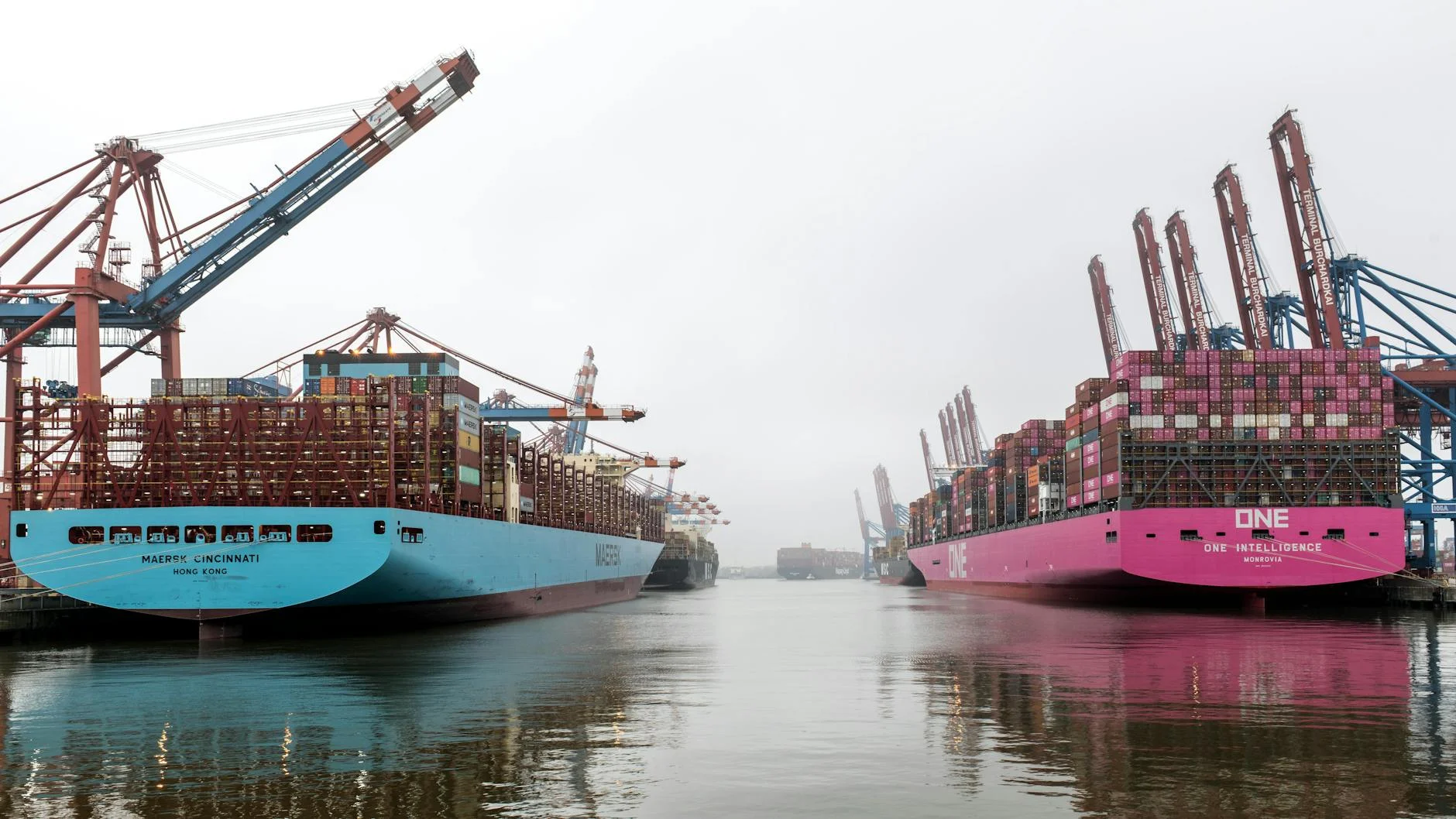
On 29 April 2026, six countries—Bolivia, Costa Rica, Guyana, Paraguay, Trinidad and Tobago, and the United States—issued a joint statement condemning China's detention of nearly 70 Panamanian-flagged vessels following Panama's January Supreme Court decision to annul port management contracts held by Hong Kong conglomerate CK Hutchison. The detentions represent a deliberate escalation in Beijing's use of maritime logistics as a political weapon, one that exposes the fragility of global shipping networks and tests whether the Trump administration will back its Latin American allies when Chinese pressure intensifies.
Dispatch
NEW YORK, 29 April 2026 — The story broke through Al Jazeera, which cited US Federal Maritime Commission data on the scale of China's response:
China detained nearly 70 Panamanian-flagged ships in March, according to the US Federal Maritime Commission, a number far exceeding historical norms. In their joint statement on Tuesday, the six countries claimed that following the court ruling, China has retaliated against Panama with targeted economic pressure on Panamanian-flagged ships. These actions – following the decision of Panama's independent Supreme Court regarding the Balboa and Cristobal terminals – are a blatant attempt to politicise maritime trade and infringe on the sovereignty of the nations of our hemisphere, the signatories said. [1]
Al Jazeera, 29 April 2026

US Federal Maritime Commission head Laura DiBella provided the operational detail of how the coercion works:
These intensified inspections were carried out under informal directives and appear intended to punish Panama after the transfer of Hutchison's port assets, DiBella said. Given that Panama‑flagged ships carry a meaningful share of US containerised trade, these actions could result in significant commercial and strategic consequences to US shipping. [1]
Al Jazeera, 29 April 2026
A different reading of China's position comes from Beijing's own statements to the international press. China's Ministry of Foreign Affairs has not issued a formal rebuttal to the joint statement, but has previously characterised Panama's court decision itself as the violation:
China has previously accused the US of bullying and trying to smear its reputation in Latin America, while it described the Panamanian Supreme Court ruling as absurd and shameful. [1]
Al Jazeera, 29 April 2026
This framing—treating a sovereign court's decision as an international insult worthy of economic punishment—reveals Beijing's actual position: that CK Hutchison's contract rights supersede Panama's constitutional authority. No major independent outlet has offered a detailed Chinese government statement justifying the detentions on technical or regulatory grounds; the official narrative remains one of wounded principle rather than legitimate enforcement.
What's Really Happening
The Real Stakes
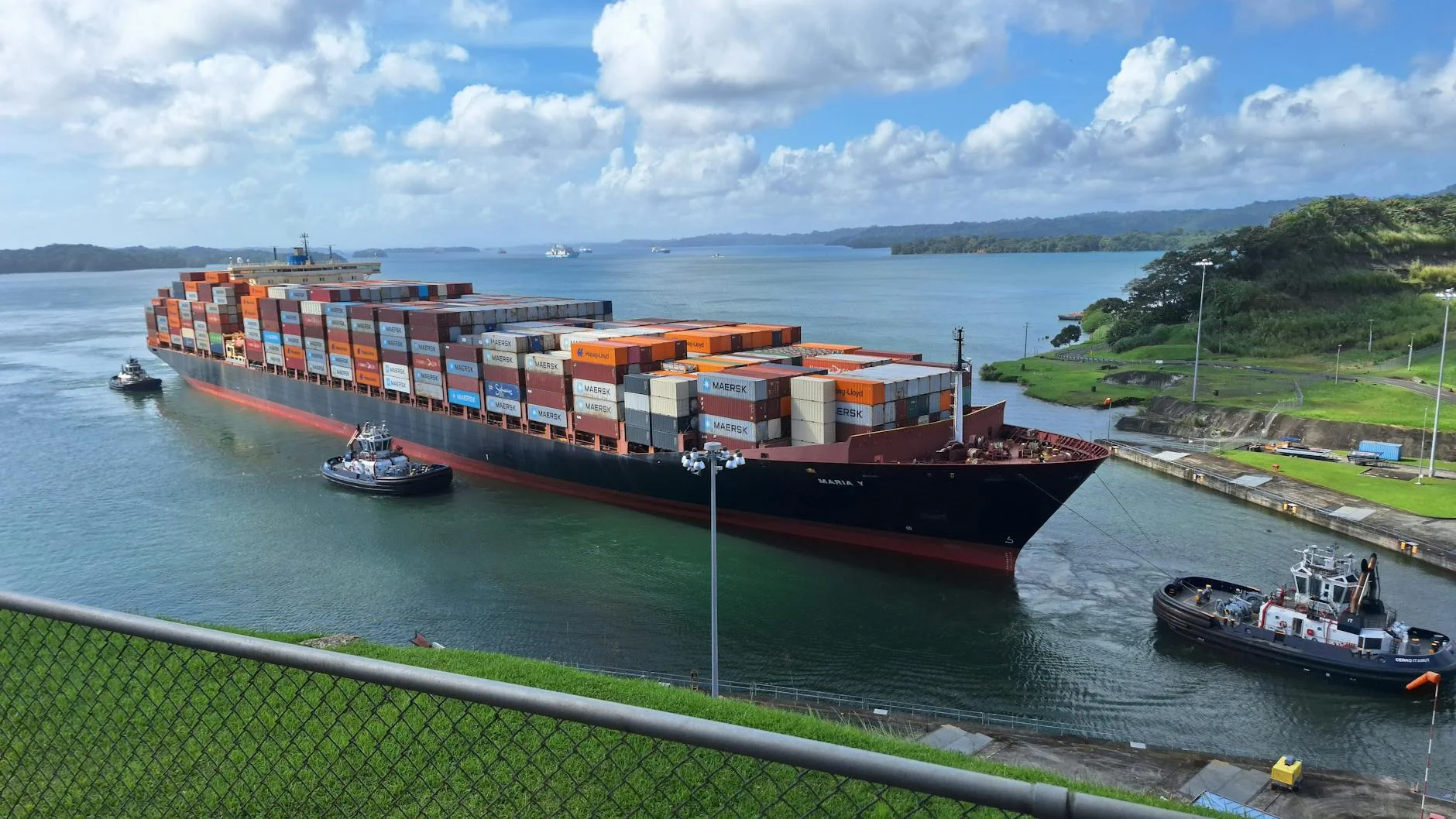
The immediate loser is Panama. The country's Supreme Court asserted constitutional authority over port management, but that assertion now carries a price tag in disrupted trade and detained vessels. Panamanian-flagged ships—which carry a meaningful share of US containerised trade [1]—face inspection delays that raise shipping costs and delivery uncertainty. For a country where the Canal generates roughly 5 percent of GDP, that is not trivial.
The second-order loser is the rules-based international order that the US claims to defend. If Beijing can punish a country for a domestic court decision by weaponising maritime logistics, other states will note the precedent. The message to Latin American governments: align with China, or face economic coercion. Mexico, Colombia, and Argentina—all watching this episode—will calculate whether their own courts can safely rule against Chinese interests without retaliation.
The strategic winner, paradoxically, is China. Beijing loses the Hutchison contracts and faces criticism from six countries. But it demonstrates that it can impose costs on US allies faster and cheaper than Washington can impose costs on it. A 70-ship detention campaign costs Beijing nothing and creates immediate pressure on the US administration to either negotiate a settlement (in which case China gains leverage) or escalate (in which case China can claim victimhood and deepen its alignment with anti-US actors in the region). The Trump administration has already signalled that it views the Panama Canal as a US strategic asset—Trump pledged in his January 2025 inaugural address to take back control of it [1]. China's move forces Trump to choose between defending Panama's sovereignty (which he has rhetorically attacked) and defending US interests (which he has claimed to prioritise).
Confirmed: CK Hutchison is pursuing legal remedies. The company is seeking more than $2 billion in damages through international arbitration [1]. If successful, that judgment becomes another lever for Beijing—pressure Panama to settle, or face a multi-billion-dollar award to a Chinese company, which Panama's government would struggle to pay. The arbitration process typically takes years, meaning this dispute will remain an open wound in US-China relations throughout the remainder of Trump's term.
Geopolitical Dimension
This episode crystallises three layers of US-China competition in the Western Hemisphere:
First, control of critical infrastructure. The Panama Canal is not merely a commercial asset; it is a strategic chokepoint. Trump's fixation on taking back the Canal reflects a broader US anxiety about Chinese influence over critical nodes in global logistics [1]. CK Hutchison's management of Balboa and Cristobal terminals gave Beijing operational visibility into US containerised trade flows. The Supreme Court's decision to annul those contracts was partly driven by nationalist sentiment in Panama, but it also aligned with Trump administration pressure (the court ruling came during a period of heightened media attention about the Canal, coinciding with Trump's threats to seize it) [1]. China's maritime retaliation is thus a response not only to losing a commercial contract but to losing a strategic foothold.
Second, the fragmentation of Latin American alignment. The six-country joint statement is significant because it includes countries with varying relationships to China. Bolivia and Paraguay have historically been closer to Beijing than to Washington; their participation in the statement signals that even China-friendly governments will not tolerate flagrant maritime coercion [1]. This suggests a floor: China can pressure individual countries, but coordinated regional pushback is possible if the coercion becomes too overt.
Third, the asymmetry of enforcement mechanisms. The US has sanctions, tariffs, and diplomatic leverage. China has access to shipping logistics, port operations, and supply chain disruption. In a globalised economy, the latter may be more immediately painful. A US tariff on Chinese goods takes weeks to implement and triggers retaliatory cycles. A Chinese port authority can detain 70 ships in a single month with minimal legal exposure, because maritime inspections are routine and the grounds for detention (safety, documentation, environmental compliance) can be interpreted broadly.
Impact Radar
Watch For
1. Whether the US imposes targeted sanctions on Chinese entities involved in the maritime detentions by mid-May 2026. The Federal Maritime Commission has identified informal directives from Beijing as the source of the inspections [1]. If the Trump administration names specific Chinese government agencies or state-owned enterprises and sanctions them, it signals serious pushback. If no sanctions are announced within 30 days, Beijing learns that maritime coercion is cost-free.
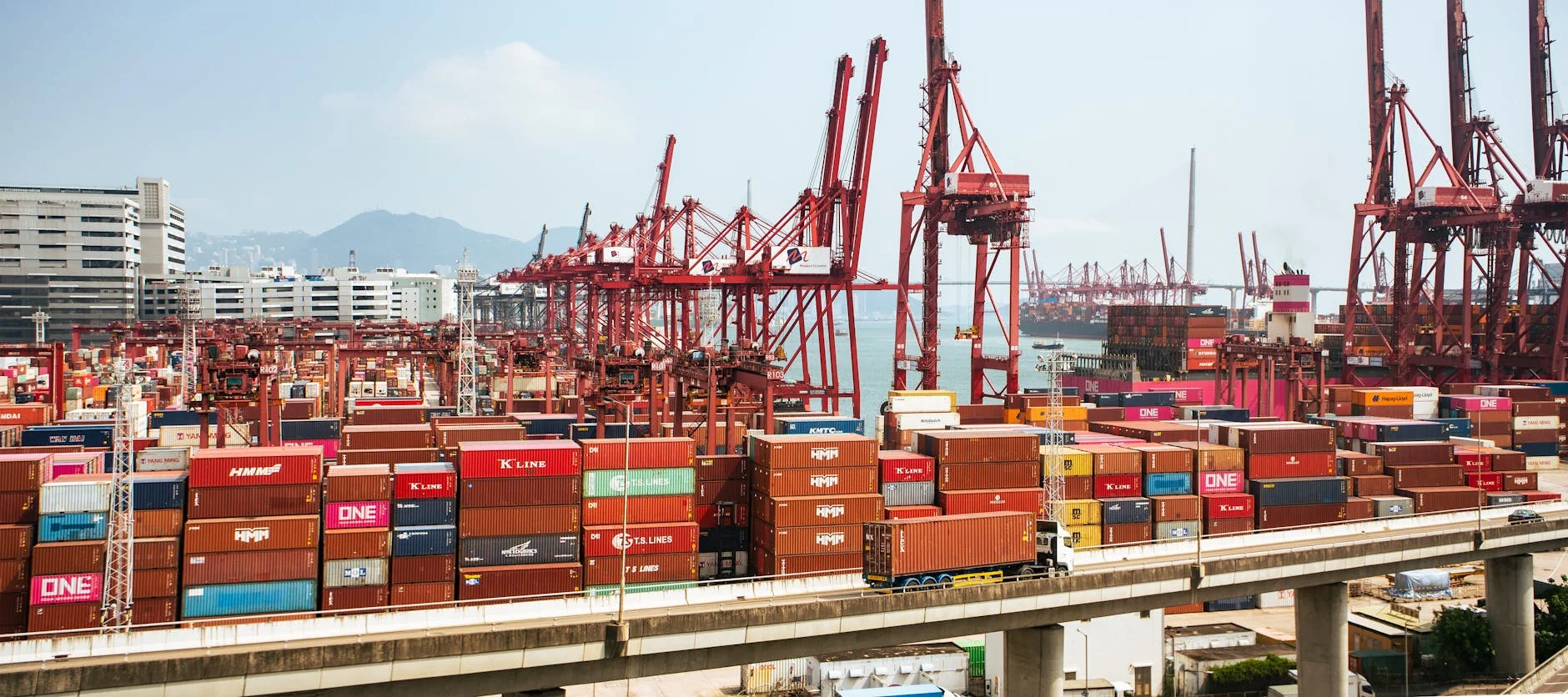
2. Whether Maersk or MSC withdraw from the Balboa and Cristobal terminals within the next 90 days. If either carrier decides the detention risk is too high and exits, China achieves its goal without formally renegotiating: the terminals become economically unviable, Panama is forced to renegotiate, and CK Hutchison potentially returns [1]. Watch for any public statements from Maersk or MSC leadership about operational sustainability in Panama.
3. Whether the International Maritime Organization (IMO) opens an investigation into China's detention practices. The IMO has authority to review whether maritime inspections comply with international law. If the organisation initiates a formal inquiry, it creates a diplomatic and legal record. If it remains silent, Beijing learns that the maritime domain is effectively ungoverned for purposes of state coercion.
Bottom Line
China is using maritime logistics as a low-cost, high-visibility tool to punish Panama for a domestic court decision and to signal to Latin America that alignment with the US carries risks. The Trump administration must respond within weeks—not with rhetoric but with tangible costs to Beijing—or it concedes that shipping lanes are now fair game for geopolitical coercion. The stakes are not merely about port contracts; they are about whether the US can credibly defend its allies when China weaponises the global supply chain.
---