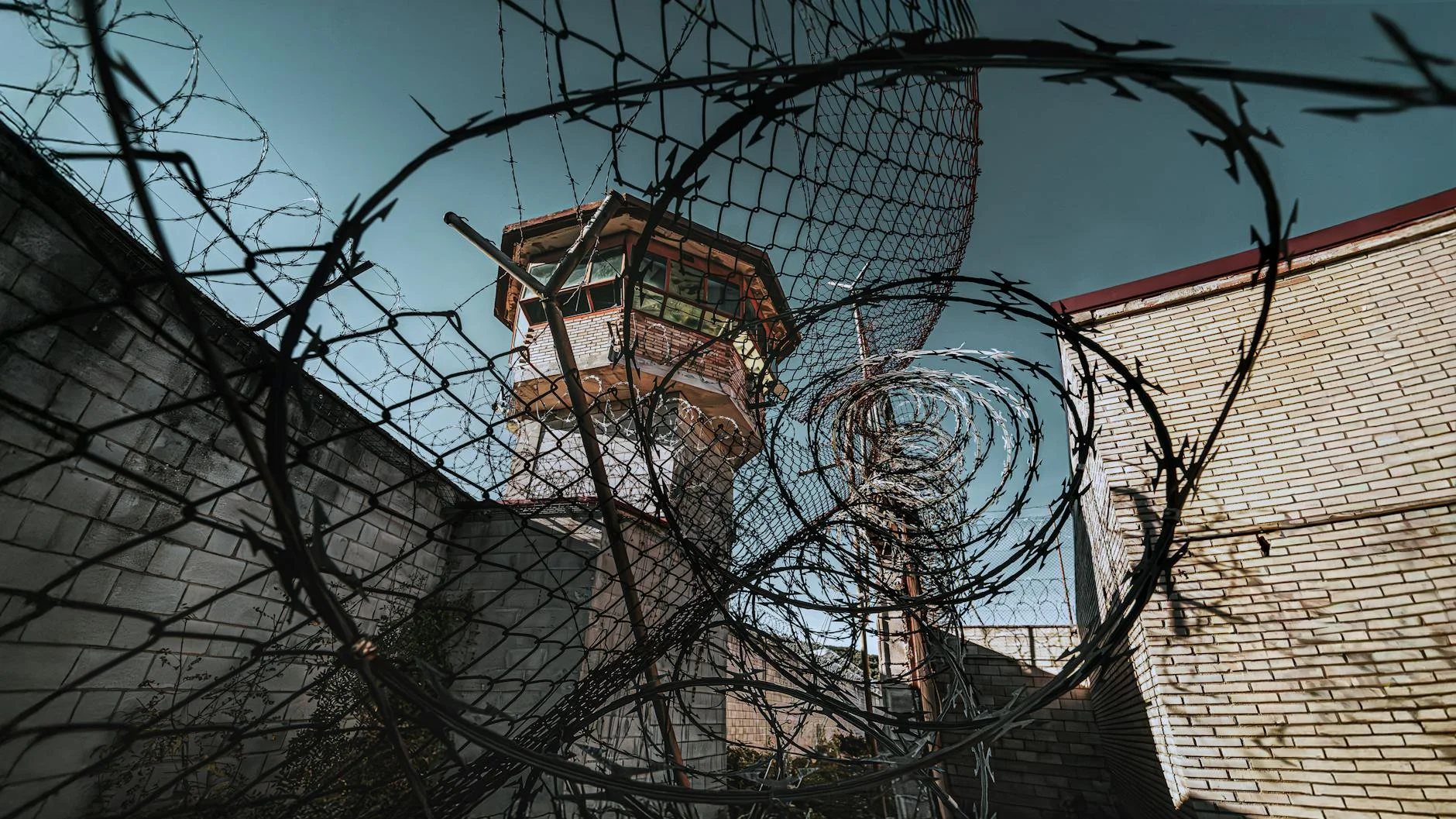
The Transition Justice Working Group released a report Tuesday documenting 144 confirmed executions under Kim Jong-un's rule from 2011 to 2024. Of those, 65 occurred after North Korea sealed its borders in January 2020. The death toll for consuming foreign media—primarily South Korean content—surged 250 percent during the pandemic years, becoming the regime's most prosecuted capital crime [1][7].
Dispatch
SEOUL, 28 April 2026 — The TJWG report, compiled from testimony by 265 North Korean defectors and cross-referenced with five independent media organisations operating inside the country, presents the most granular accounting of North Korean judicial killings in over a decade. The Guardian reported the figures first on 27 April; the South China Morning Post published its analysis the following day.
From the SCMP dispatch:
A report released by North Korea-focused human rights organisation Transition Justice Working Group (TJWG) on Tuesday showed that the number of people executed for consuming South Korean cultural content – such as K-dramas, films and K-pop – and religious practices surged by 250 per cent after borders closed due to the pandemic, according to The Korea Times.
Of the 144 confirmed executions over those 13 years, 65 happened after North Korea closed its borders in 2020. At least 153 people were executed or sentenced to death between January 2020 and the end of 2024.
South China Morning Post, 28 April 2026 [1]
The Guardian's reporting contextualises the acceleration more starkly:
The number of documented cases of executions and death sentences increased by 117% in the nearly five years after North Korea sealed its borders in January 2020 compared with an equal period before the closure, according to a report by the Transitional Justice Working Group (TJWG), a human rights NGO in Seoul. The number of people executed or sentenced to death more than tripled, it added. The report identified 46 execution sites and disclosed coordinates for 40 of them. It also documented 144 cases, including 136 execution events involving at least 358 individuals between December 2011, when Kim became leader, and December 2024, with about 70% of executions carried out publicly with crowds forced to watch.
The Guardian, 27 April 2026 [7]
Both outlets emphasise the same structural reality: the pandemic provided cover. The Guardian explicitly states that Kim exploited the lack of international scrutiny to expand capital crimes. The SCMP quotes the TJWG report itself warning of escalation ahead: As the regime pursues a fourth hereditary succession of power, there is a high risk of increased executions to strengthen cultural and ideological control and maintain political dominance.[1]
What's Really Happening

The Real Stakes
For North Koreans: The execution surge represents a fundamental shift in what the state deems punishable by death. A teenager caught watching Crash Landing on You or listening to BTS now faces the same penalty as a murderer. Amnesty International documented in February 2026 that the regime has created a climate of fear in which consumption of South Korean culture is treated as a serious crime [7]. This climate does not require mass executions to function—it requires visible, public ones. The 65 confirmed deaths post-2020 are the visible tip; the invisible enforcement is pervasive self-censorship, informant networks, and family surveillance.
For South Korea and the broader region: North Korea's execution surge is a direct response to South Korean soft power. K-dramas and K-pop have become globally dominant; Netflix's Squid Game became the platform's most-watched series ever. For the Kim regime, this cultural penetration is not entertainment—it is ideological contamination. Each execution sends a message to the North Korean population: the outside world is not aspirational; it is lethal. Simultaneously, it signals to Seoul and Washington that Kim will not tolerate the erosion of regime ideology. The executions are a form of communication: We will not lose control.
For the international system: The pandemic demonstrated that totalitarian regimes exploit global crisis to deepen domestic repression with minimal consequence. No sanctions followed the execution surge. No emergency UN session convened. The TJWG report was published by a Seoul-based NGO, not a UN body. This institutional silence is itself a message to other authoritarian states: escalate your repression during windows of international distraction, and you will likely face no cost. The precedent is now established.
Confirmed: The TJWG report is the most comprehensive accounting of North Korean executions in over a decade, based on 265 defector testimonies and five independent media sources [1][7]. Projected: If international pressure on North Korea remains minimal (as it has since 2020), executions for ideological crimes will likely continue at elevated levels through 2027, particularly as Kim consolidates power ahead of any succession scenario. One scenario: Should North Korea experience internal instability—crop failure, military defection, or factional conflict—the regime may accelerate public executions as a stabilisation mechanism, mirroring patterns from 2013 (when more than 80 people executed following the purge of Jang Song-thaek) [1].
Geopolitical Dimension
North Korea's execution escalation sits within a broader regional security realignment. The regime has simultaneously deepened military ties with Russia—sending an estimated 14,000 troops to fight in Ukraine, with at least 2,000 killed as of April 2026 [7]. This military partnership provides North Korea with hard currency, food aid, and technical assistance, reducing its dependence on Chinese patronage and lowering the diplomatic cost of domestic repression. Russia, engaged in its own war and facing international isolation, has little incentive to pressure Kim on human rights. Meanwhile, South Korea has announced a historic reversal of its 60-year ban on lethal weapons exports, enabling Japanese and South Korean military equipment to flow to regional allies [5]. The execution surge thus occurs within a context of accelerating militarisation: North Korea killing civilians for watching South Korean media while simultaneously arming itself through Russian partnership and while South Korea and Japan prepare for conflict escalation.
The geopolitical subtext is this: information control and military capability are now inseparable. Kim's regime recognises that South Korean cultural dominance is a threat to regime survival. It responds with terror. Simultaneously, it arms itself for potential conflict. The international system—fractured between Russia-aligned and Western-aligned blocs—provides no unified response. Each side exploits the other's distraction.
Impact Radar
Watch For
1. The 2027 Party Congress. North Korea typically convenes its Party Congress every five years to consolidate power and signal policy direction. The next scheduled congress is in 2027. Watch for whether Kim announces further escalation in ideological enforcement or, conversely, attempts a limited opening. The congress will reveal whether the pandemic-era execution surge is permanent or tactical [1].
2. Defector testimony volumes. The TJWG compiled its report from 265 defectors. Monitor whether defection rates increase or decrease in 2026–2027. If North Koreans flee in larger numbers despite the execution surge, it signals that fear is not achieving regime stability. If defections decline, it suggests the terror campaign is working [1].
3. Russian military support continuity. North Korea's deepened military partnership with Russia reduces its dependence on Chinese approval for domestic repression. Monitor whether Russia continues sending food aid and technical assistance to North Korea. If Russia withdraws support due to Ukraine war costs, North Korea may face economic pressure that could trigger either regime collapse or further internal violence [7].
Bottom Line
North Korea's 250 percent surge in executions for consuming foreign media is not aberrant violence—it is strategic terror. The regime weaponised the pandemic's international distraction to eliminate perceived ideological threats and to consolidate power ahead of potential succession conflict. The executions demonstrate that totalitarian states exploit global crises to deepen repression with minimal diplomatic cost. Without coordinated international pressure, this precedent will persist: other authoritarian regimes will recognise that atrocity during windows of international distraction carries no penalty.