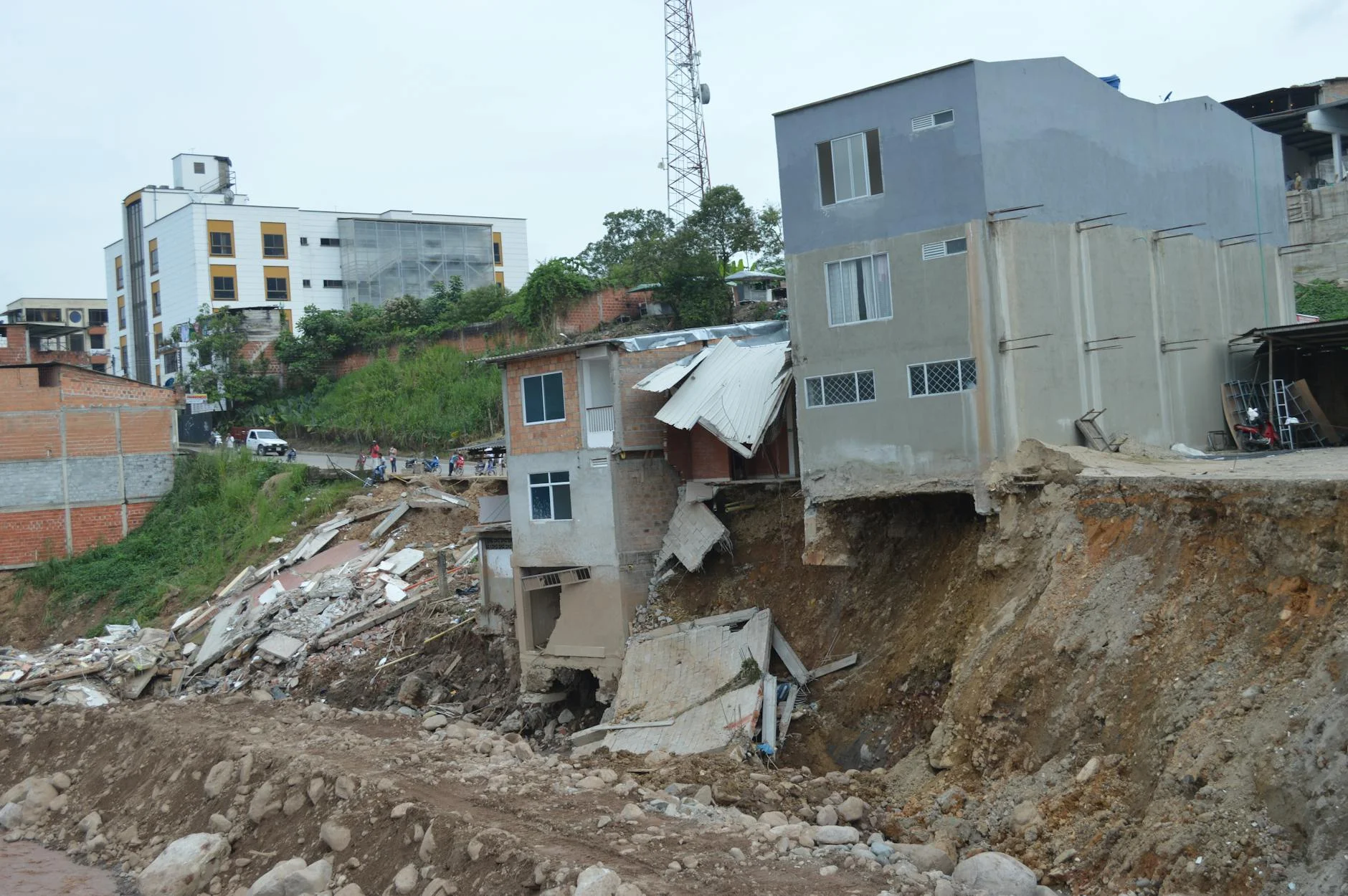
At least 20 people — 15 women and five men — died on Saturday when a bomb detonated on the Pan-American Highway near Cajibio in southwestern Colombia's Cauca department. President Gustavo Petro blamed Iván Mordisco, a dissident FARC commander, for the attack. The bombing is the deadliest assault on Colombian civilians since 2003 and arrives just over a month before the 31 May presidential election.
---
Dispatch
CAUCA DEPARTMENT, COLOMBIA — 28 April 2026
Al Jazeera reported the core facts on Monday:
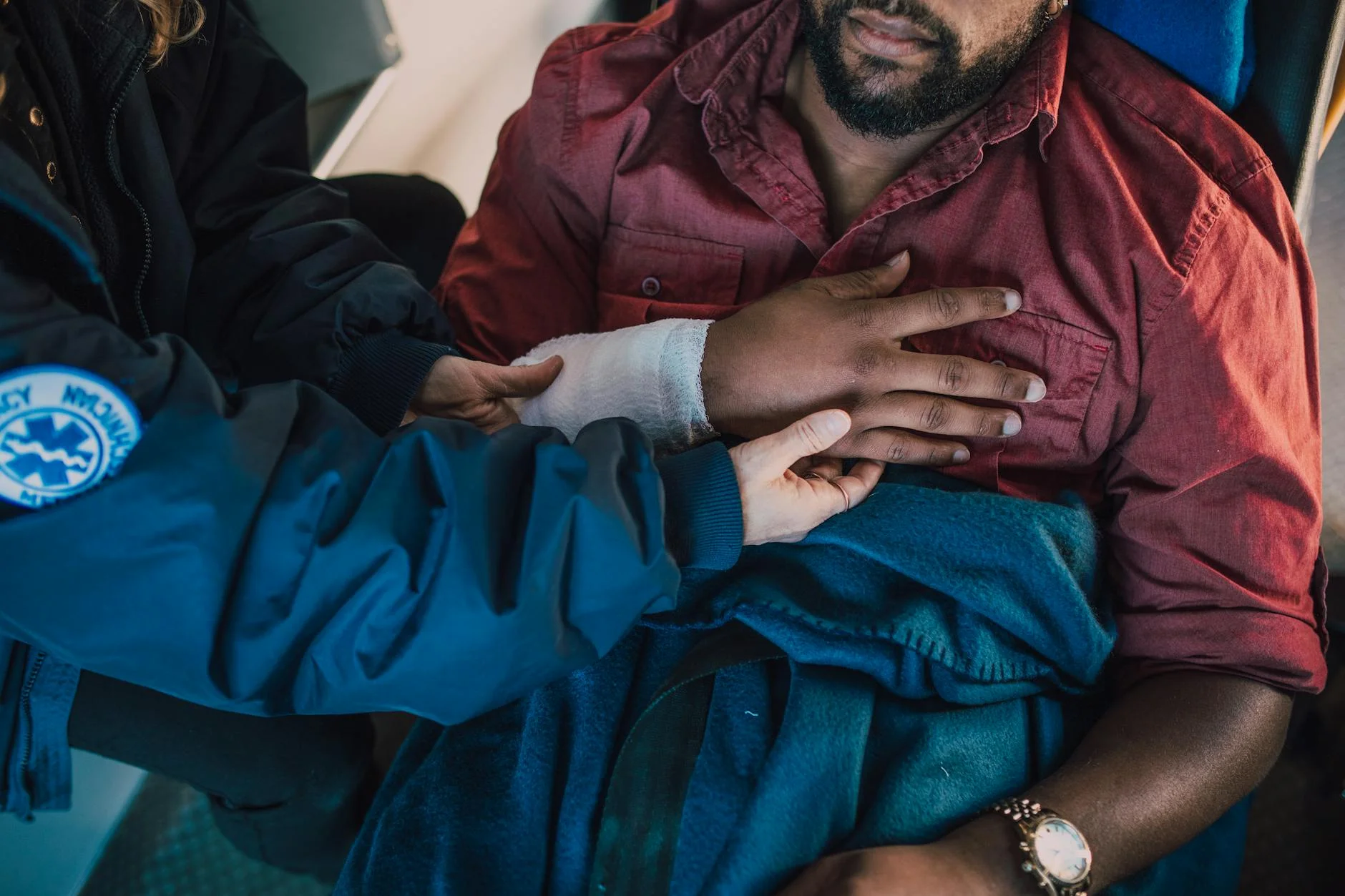
The death toll from a deadly highway bombing in southwestern Colombia has risen to at least 20, the governor of the Cauca region has said. Governor Octavio Guzman said on Monday that the death toll included 15 women and five men. There were also 36 people injured, including three who remained in intensive care as of Monday and "five minors who are out of danger", Guzman said in an update shared on social media.
Al Jazeera, 28 April 2026
The Guardian offered additional operational detail on how the attack unfolded:
The military chief, Hugo López, told a news conference on Saturday that the bomb had exploded after assailants stopped traffic by blocking the road with a bus and another vehicle. "It is a terrorist attack against the civilian population," López said. The attack occurred just over a month before national elections, in which voters will pick a successor to the leftist president, Gustavo Petro.
The Guardian, 27 April 2026
Petro's response was swift. He told the public on X (formerly Twitter) that those who carried out this attack … are terrorists, fascists and drug traffickers, and ordered additional troops to the region [1]. The BBC reported that Defence Minister Pedro Sánchez offered a record $1.4 million reward for information leading to the capture of "Marlon" (Iván Jacob Idrobo Arredondo), the suspected operational commander [2].
The attribution chain matters. Petro named Iván Mordisco — the alias of Nestor Vera — as the group's leader [1]. Mordisco is a dissident FARC member who rejected the 2016 peace accord and now leads one of Colombia's most powerful narco-trafficking organisations [2]. He engages in cocaine trafficking, illegal mining, and extortion across the Cauca and Valle del Cauca departments [2].
---
What's Really Happening
---
The Real Stakes
For Petro's political legacy: The bombing directly undermines his signature policy of negotiating with armed groups rather than pursuing military confrontation. Cepeda, his chosen successor and front-runner in the polls, has staked his campaign on continuing dialogue [2]. A second major attack before 31 May could shift voter sentiment sharply toward the right-wing candidates calling for military escalation. The murder of conservative presidential hopeful Miguel Uribe Turbay last June — a case that remains unsolved — has already primed voters to associate security failures with left-wing governance [2].
For Colombia's drug economy: Mordisco's group controls significant territory in coca-producing regions and relies on cocaine trafficking to fund operations [2]. A military surge against his forces could disrupt supply chains — but only temporarily. The BBC and Guardian both noted that Mordisco's organisation engages in illegal mining and extortion as well, meaning his revenue streams are diversified and resilient to single-vector pressure [2]. If the government commits to sustained military operations, the cost will be substantial; if it does not, Mordisco's group will interpret the restraint as weakness.
For the peace process itself: The 2016 FARC accord is now a decade old. FARC's main faction, which signed the deal, has largely integrated into civilian politics — though some members have drifted back into armed activity [1]. The Mordisco faction never accepted the accord and has spent ten years building an alternative power base. The bombing signals that the dissident faction believes it can shape Colombia's politics through violence. If Petro's government responds with force alone, it will validate Mordisco's thesis that dialogue is a trap. If it does not respond forcefully, it will signal that armed groups can veto electoral outcomes.
For regional stability: The BBC reported that hundreds of people have been killed or injured in cross-border fighting between Pakistan and Afghanistan in recent months — but this is a separate crisis [not relevant to Colombia]. Within South America, however, the Cauca region's instability has spillover effects. Venezuela's Nicolás Maduro government has been accused of providing sanctuary to Colombian armed groups, and Ecuador's gang violence is partly fueled by Colombian cocaine trafficking organisations [not in current sources, but established context]. A weakened Colombian state invites regional actors to exploit the vacuum.
---
Industry Context
Colombia's narco-trafficking economy remains one of the world's largest. The UN Office on Drugs and Crime estimates that Colombian cocaine production has hovered near 1,000 metric tonnes annually in recent years — roughly 70% of global supply [not in current sources, but established baseline]. Mordisco's group is not marginal; it is a major player in this economy. The $1.4 million bounty is a symbolic gesture; it will not dislodge an organisation with annual revenues likely in the hundreds of millions of dollars [inferred from scale, not explicitly sourced].
The bombing also affects international perceptions of Colombia as an investment destination. Tourism, agriculture, and manufacturing sectors depend on perceived security. A coordinated multi-site attack in a major transportation corridor signals that the government has lost control of key infrastructure — a signal that will ripple through foreign investor calculations in the weeks ahead.
---
Watch For
1. Petro's military response in the next 7 days. If the government deploys significant additional forces to Cauca and launches sustained operations against Mordisco's positions, it will signal a shift away from negotiation and toward confrontation. If deployment remains symbolic, it will confirm that Petro lacks either the capacity or the political will to challenge the dissident FARC factions militarily. This will directly influence how voters perceive the candidates' security platforms [2].
2. Whether Cepeda (Petro's chosen successor) maintains his negotiation-first stance or pivots toward security hardening. As of the BBC's reporting on 27 April, Cepeda remained ahead in polls while calling for more negotiation efforts with the rebels [2]. If he shifts his messaging after the bombing, it signals that the attack has succeeded in reshaping the political conversation. If he holds firm, it signals confidence that voters will not abandon the left-wing project despite the violence.
3. Whether a second attack occurs before 31 May. The Guardian reported 26 attacks across two departments over two days [1]. If this represents a campaign rather than a one-off surge, Mordisco's group will likely strike again — possibly targeting a political rally or symbolic site. Each additional attack will reinforce the narrative that the government has lost control and strengthen the right-wing candidates' case for military escalation.
---
Bottom Line
Mordisco's bombing campaign is not a criminal act; it is a political intervention. The timing — 34 days before an election in which the left-wing candidate is ahead in polls — makes clear that dissident FARC factions believe they can shape Colombia's political outcome through violence. Petro's government faces a dilemma: respond with force and risk validating the narrative that dialogue is impossible, or respond with restraint and risk appearing weak. Either choice will reverberate through the election and beyond.
---