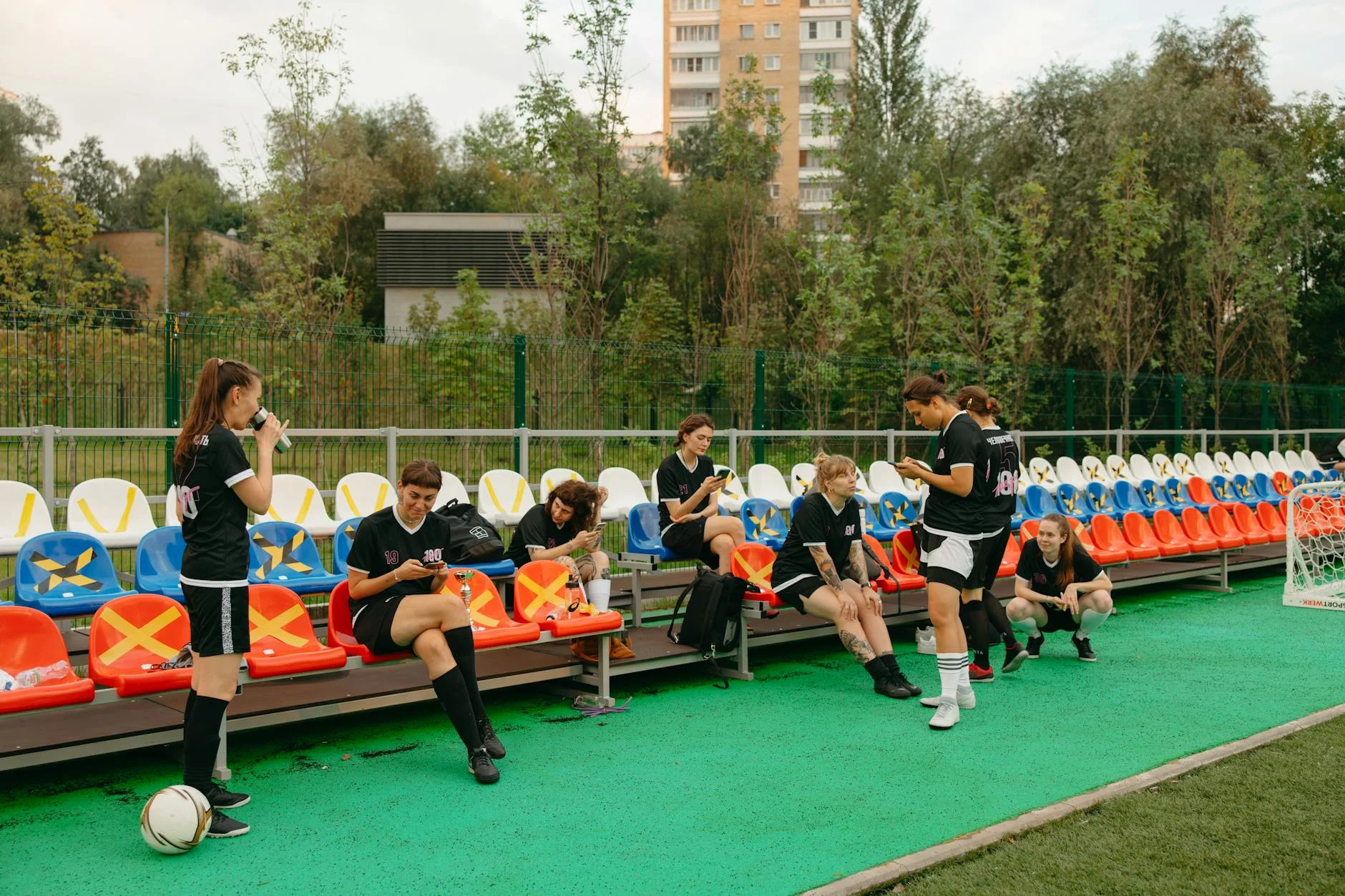
Vancouver, 16 August 2025 — FIFA's council voted Tuesday to rewrite its own rulebook. For the first time in the organisation's history, it will recognise a national football team whose government actively forbids women from playing. The Afghan Women United squad—scattered across Australia, Europe, and North America—can now compete under Afghanistan's flag in official competitions, including Olympic qualifiers. They haven't played a competitive international match since December 2018. [1]
The decision matters. But not for the reason most celebration-ready headlines suggest.
---
Dispatch
VANCOUVER, 16 AUGUST 2025 — The BBC's Elizabeth Botcherby reported the announcement from FIFA's governance council meeting:
Afghanistan women will become asymbol of resilienceafter Fifa approved their return to international competition, says former captain Khalida Popal. Afghanistan have not played a competitive international since December 2018. The Taliban's return to power in 2021 triggered restrictions on women's rights, including a ban on women's sports which forced many players to seek asylum overseas. Fifa's governance regulations previously prevented it from officially recognising a team unless they were recognised by their member association, in this case the Afghanistan Football Federation. However, the amendment—approved at a Fifa council meeting in Vancouver on Tuesday—means Fifa can approve the registration of a national or representative teamunder exceptional circumstancesto ensure players are not prevented from playing international football due tosituations beyond their control. [1]
BBC Sport, 4 hours before publication (16 August 2025)
FIFA President Gianni Infantino framed the decision in institutional language:
We are proud of the beautiful journey initiated by Afghan Women United and, with this initiative, we aim to enable them, as well as other Fifa member associations that may not be able to register a national or representative team for a Fifa competition, to make the next step. [1]
Gianni Infantino, FIFA President, 16 August 2025
A sharper perspective emerged from Al Jazeera's coverage, which emphasised the five-year timeline and the cost of the Taliban's return:
An Afghanistan women's refugee team have been granted eligibility for international competitions, nearly five years after the players fled their country's Taliban rule. While it is too late for the refugee team to qualify for the 2027 Women's World Cup in Brazil, they could participate in qualification for the 2028 Olympics in Los Angeles. [2]
Al Jazeera, 29 April 2026 [Note: publication date discrepancy in source; BBC article dated 16 August 2025]
Khalida Popal, the former captain who led the lobbying effort, offered a statement that contained both hope and a hard acknowledgment of the limits:
For five years, we were told the Afghanistan women's national team could never compete again because the men who took our country would not allow it. I am extremely proud of this decision by FIFA and glad that our collective advocacy has not only changed the future for Afghan women but also ensured that no other national team has to sacrifice what our players did. [2]
Khalida Popal, former Afghanistan captain, 29 April 2026
But Popal also told Reuters something more cautious:
Our team has always been known as an activist team. But this opportunity, with the right support from Fifa, will be the time for us to also show some skills and develop the youth talent in the diaspora. I know it's going to be tough because Afghan women inside Afghanistan will struggle to be part of that. But if we can still be the voice for them to send out hope messages and show them our support that you are not forgotten, then we will continue to use our platform. [1]
Khalida Popal, Reuters, 16 August 2025
---
What's Really Happening
---
The Real Stakes
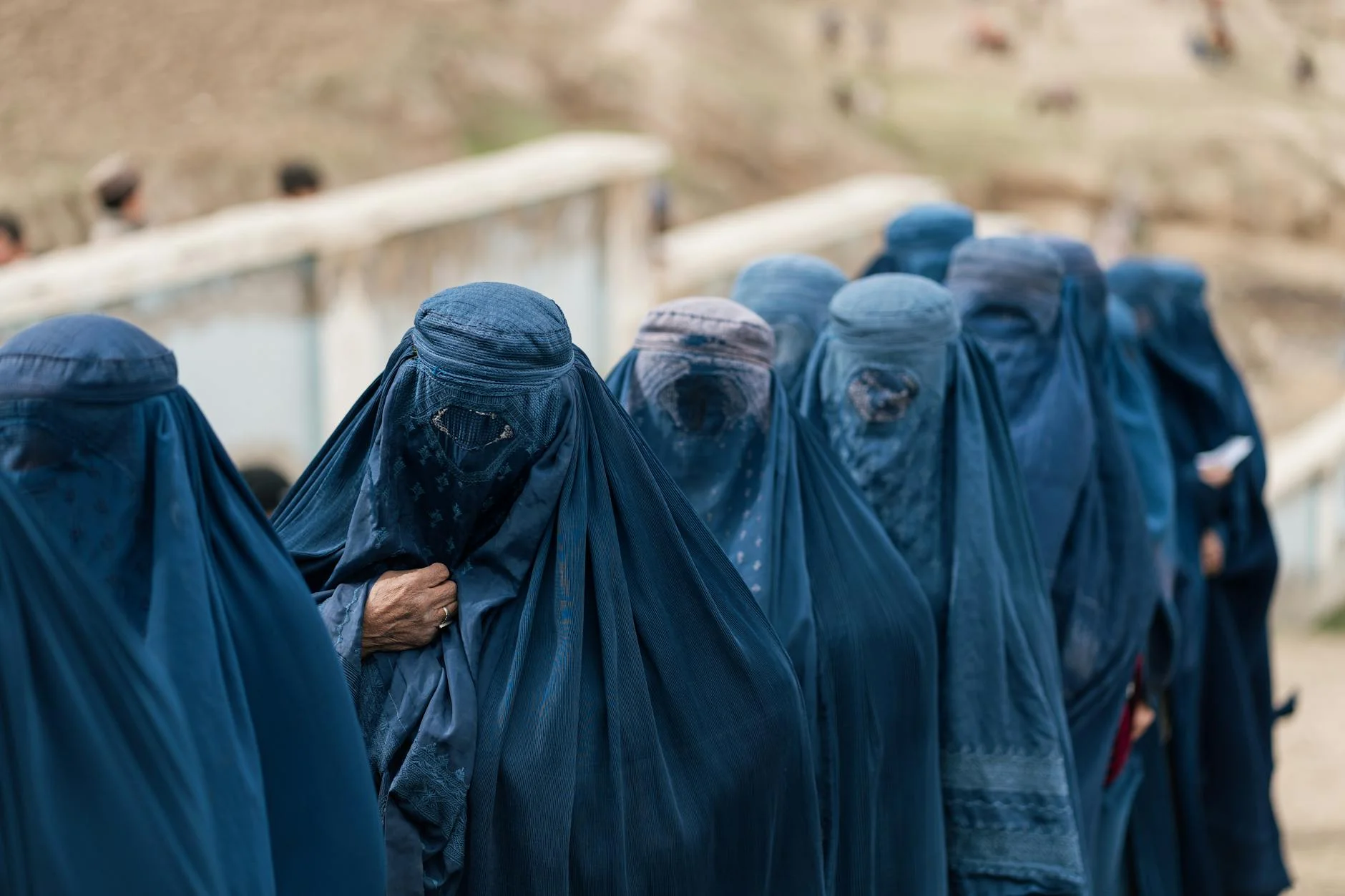
For Afghan women athletes, this is a lifeline—but only for those who escaped.
The 80+ players now abroad can compete, train, and maintain their sport at an international level. This matters. Athletic careers have expiration dates. For women who fled in 2021 and spent three years in legal limbo, a return to official competition is material: it means sponsorship pathways, coaching opportunities, and the psychological anchor of representing their country. [1] One Australia-based player, Nazia Ali, said: To hopefully be able to wear our flag again officially is a feeling I cannot describe.[2]
But the amendment creates a visible, painful boundary. Women footballers still inside Afghanistan—and there are some, playing informally in secret—cannot join this team. The Taliban's ban on women's sports remains absolute. [1] Popal's statement to Reuters was deliberate in naming this: I know it's going to be tough because Afghan women inside Afghanistan will struggle to be part of that.[1] The team becomes a symbol of what they cannot access.
For FIFA, this is a precedent with teeth.
By amending its constitution to allow team registration under exceptional circumstances,FIFA has created a mechanism that could apply to other nations experiencing state-level repression of women's sport—or, theoretically, men's sport. The amendment does not name Afghanistan. It is written as a general rule. [1] This is either FIFA's most progressive move in years or a regulatory trap waiting to be weaponised, depending on how future councils interpret exceptional circumstances. Infantino's language—enable them, as well as other Fifa member associations—signals FIFA intends this as a template. [1]
For the Taliban, this is a soft-power loss with no immediate cost.
The Taliban banned women's sports as part of its 2021 rollback of women's rights. [1] That ban remains in place. Afghan Women United's right to compete internationally does not change Taliban policy one millimetre. But it does create a permanent, visible counternarrative: the world recognises Afghan women as athletes and citizens, even if Kabul does not. This is why Popal framed the team as activist.[1] It is not activism for sport; it is activism through sport. The Taliban cannot prevent it without further international isolation, which they are already experiencing for other reasons.
For the diaspora, this is institutional validation of survival.
Many of these players have spent five years in uncertain legal status, often unable to work or study officially. [1] A national team registration—even one that cannot play at home—is a form of state recognition that diaspora communities often lack. It says: you are still Afghanistan's athletes. You have not been abandoned. This matters psychologically and practically. It opens doors for visas, work permits, and sponsorships that would otherwise remain closed.
---
Geopolitical Dimension
The amendment sits at an intersection of three geopolitical pressures: Taliban governance, international sports diplomacy, and the role of diaspora communities in maintaining national identity during state collapse.
Taliban governance: The Taliban's ban on women's sports is not incidental to its broader restrictions on women's rights—education, employment, public presence. [1] It is central. Sport is where women's autonomy becomes visible and organised. By banning it, the Taliban eliminates a space where women gather, organise, and develop agency. The international recognition of Afghan Women United does not reverse this; it documents it. The team's existence is now a permanent record that the Taliban suppressed women's sport. That record matters in future accountability mechanisms, sanctions discussions, and diplomatic leverage.
International sports diplomacy: FIFA's rule change reflects pressure from human rights groups, player advocates, and member nations that had begun to question why a sports organisation could not accommodate refugees. [1] The amendment was not spontaneous. It followed several years of lobbying by the country's displaced playersand formal pilot status for Afghan Women United starting in May 2025. [1] This is sports organisations being forced to become de facto political actors. FIFA did not choose this role; it was pushed into it. Other sports bodies—the IOC, World Rugby, World Athletics—are watching to see if this precedent holds or becomes a template they must follow.
Diaspora as state proxy: Afghan Women United is, functionally, a state team composed entirely of diaspora. This is unusual. Most national teams are rooted in a home federation and domestic league structure. Afghan Women United has neither. It is held together by shared nationality, shared trauma, and international coordination by FIFA. [1] If this model works—if the team competes, wins, and generates pride—it suggests that diaspora communities can maintain national sporting institutions even when the state itself is hostile. This has implications for other countries experiencing state collapse or authoritarian rollback: Syria, Myanmar, Venezuela. It suggests a pathway for national teams-in-exile to maintain legitimacy.
---
Impact Radar
---
Watch For
1. Taliban response to team visibility (next 6 months). If the Taliban issues formal statements opposing the team or threatens diplomatic consequences, it signals they view diaspora sports representation as a genuine threat to their narrative control. If they remain silent, it suggests they are either unaware of the precedent or calculating that suppression would generate more negative attention than tolerance. Monitor statements from Taliban sports ministry or foreign ministry.
2. Whether other sports bodies adopt similar amendments (by end of 2026). The IOC's position on Afghan Women United's Olympic qualification pathway will be the clearest signal. If the IOC recognises the team for 2028 Olympic qualifiers without requiring Taliban approval, FIFA's precedent has held. If the IOC demands Taliban recognition as a condition, the precedent has failed.
3. Competitive performance and sponsorship uptake (June 2026 onwards). If Afghan Women United wins matches and attracts sponsors, the model becomes proof of concept for other diaspora teams. If they lose consistently and sponsorship remains minimal, the initiative becomes a symbolic gesture rather than a sustainable institution.
---
Bottom Line
FIFA has solved a bureaucratic problem—how to register a national team whose government forbids it—but created a political one: the team now exists as a permanent symbol of what the Taliban denies to women inside Afghanistan. The amendment is progressive and sets precedent. But it also highlights the limits of sports diplomacy. A rule change does not change Taliban policy. It only changes who gets to play. That matters for the 80 women now scattered across continents. It matters far less for the millions of women and girls inside Afghanistan who remain banned from sport by their own state.
---