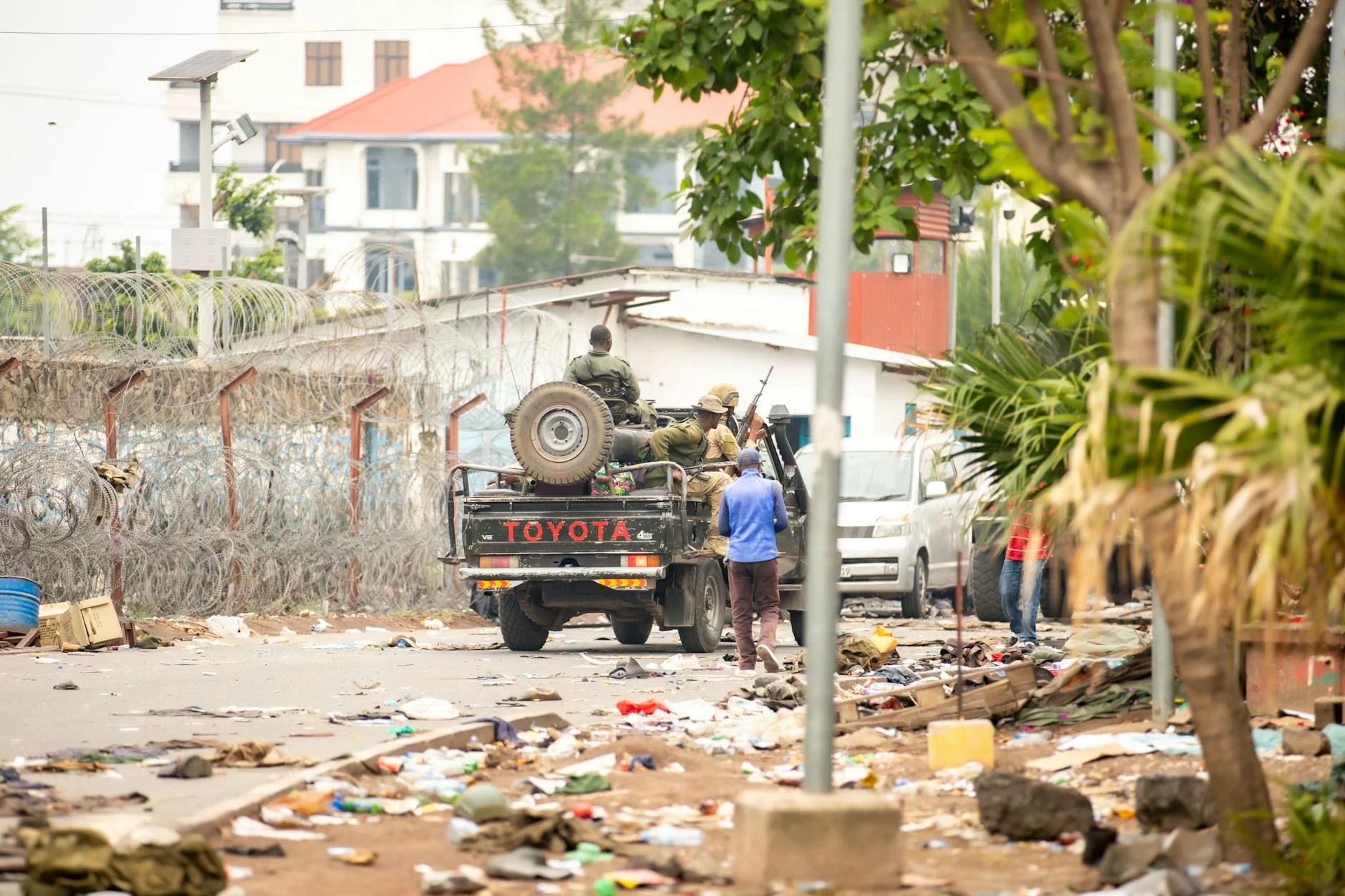
France has ordered its citizens out of Mali. The UK followed. What looks like a routine evacuation advisory is actually a geopolitical capitulation: the formal acknowledgment that the French-backed military government in Bamako has lost control of the country, and that Paris's two-decade military commitment to West Africa is over.
Dispatch
BAMAKO, 4 FEBRUARY 2025 — On Saturday, coordinated attacks across Mali killed Defence Minister Sadio Camara, seized the northern city of Kidal from Russian and Malian forces, and shattered the credibility of the junta that promised security when it seized power in 2020.
The BBC reported:
France has urged its citizens to leave Mali "as soon as possible", after a weekend of co-ordinated attacks by separatist fighters and Islamist militants. In an update on Wednesday, the advice also warned French citizens not to travel to the West African nation, describing the situation as "extremely volatile". Explosions and sustained gunfire were reported across the country, including the capital, Bamako on Saturday. In Kati, the defence leader Sadio Camara was killed in an apparent suicide bombing by militants, while in the north, separatist forces have taken control of the city of Kidal. Mali's military leader Gen Assimi Goïta said the security situation in the country was under control.[1]
The French foreign ministry statement was more explicit:
French nationals are advised to make arrangements to leave Mali temporarily as soon as possible on the commercial flights that are still available. Travel to Mali is still strongly discouraged, regardless of the reason.[1]
But the real story lies in what the BBC's follow-up reporting revealed about Russian involvement and the scale of the offensive. A separate BBC investigation published within hours documented:
A Russian paramilitary launched air strikes against rebel forces near Mali's capital Bamako, video footage shows, following a shock offensive against the ruling military government. Jihadist and Tuareg separatist forces on Saturday carried out attacks across Mali and killed the country's Defence Minister Sadio Camara. Russian forces claimed up to 12,000 fighters took part in the offensive. Despite the show of force, the mercenaries confirmed that they have pulled out of Kidal in northern Mali, which housed significant numbers of troops and was at the core of the military's operations in the region.[2]
A contrasting editorial perspective emerges from the International Crisis Group's analysis:
It is hard to overstate the sense of shock reverberating across West Africa after attackers, in co-ordinated assaults, managed to enter Mali's capital, Bamako, assassinate the defence minister and seize control of northern areas. The scale of the offensive and the withdrawal of Malian and Russian forces from the northern city of Kidal, now under FLA control, have fuelled doubts about the strength of the military government led by Col Assimi Goïta, who came to power in a coup in August 2020. The death of Defence Minister Sadio Camara could weaken military co-ordination during any counter-offensive. Camara was one of the most powerful figures in the ruling structure and "the main interlocutor for Moscow and the brain behind the deployment of Russian mercenaries in the Sahel".[3]
What's Really Happening
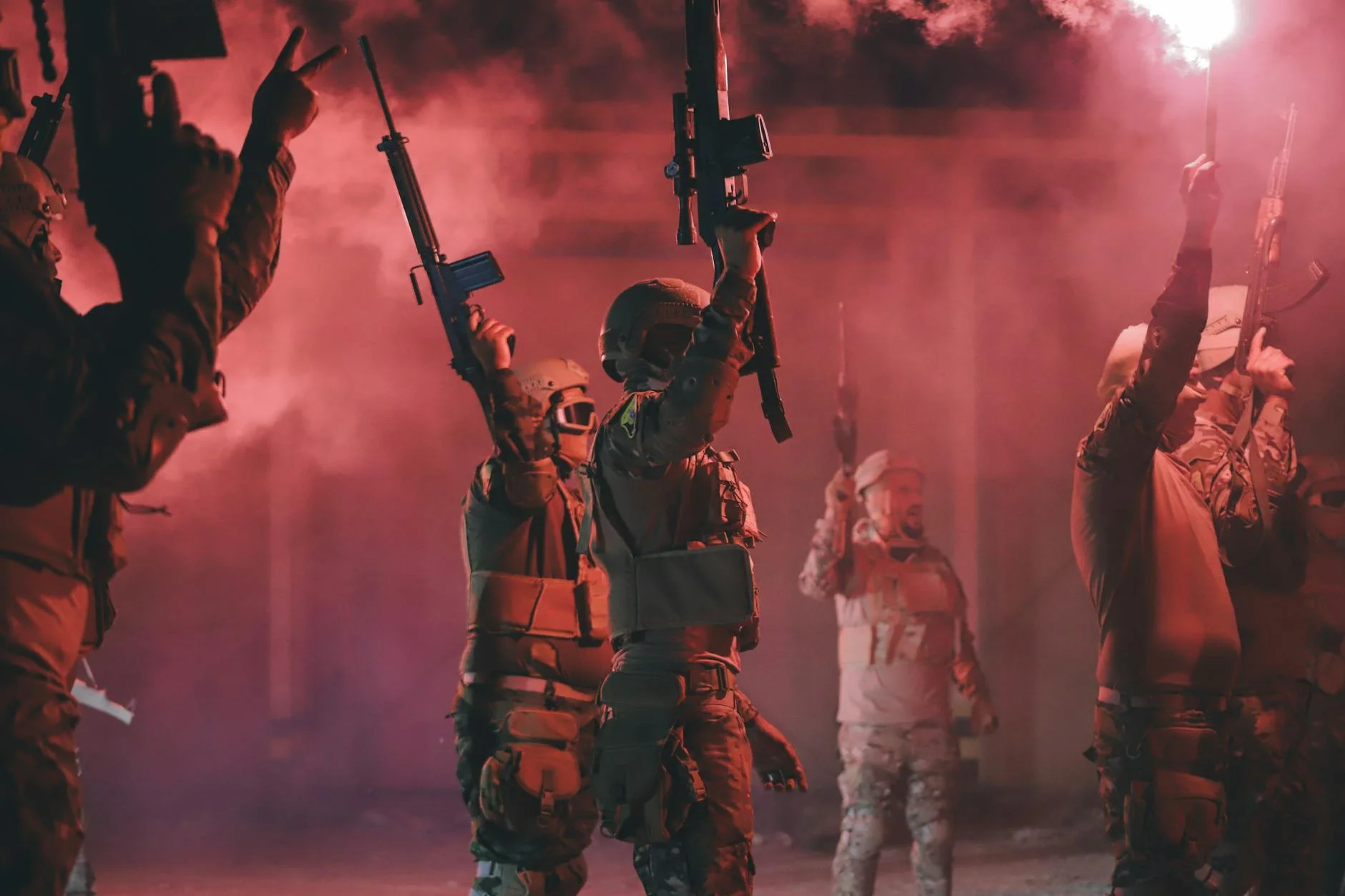
The Real Stakes
For the Malian junta: Goïta faces a choice between counter-offensive or collapse. The military still controls major cities and state institutions, but the offensive demonstrated that rebels can strike Bamako, kill the defence minister, and coordinate across 1,600 kilometres of territory.[1][3] A failed counter-offensive ends the junta. A successful one buys time but not legitimacy — the government has had four years to defeat these groups and has failed.
For France and the West: The evacuation orders represent the final admission of defeat. France deployed 5,100 troops to Mali at the peak of Operation Barkhane (2013–2022), spent an estimated €900 million annually, and withdrew in 2022 after achieving nothing.[3] The UK and US followed. Now, even the skeleton diplomatic presence is leaving. This is not a tactical repositioning — it is the end of Western military involvement in the Sahel. Paris bet on a military junta to restore order. The junta is collapsing. The West is exiting.
For Russia: The withdrawal from Kidal is a tactical humiliation but not strategic defeat — yet. Russia arrived in Mali in 2021 specifically to fill the space France abandoned. If the junta falls, Russia loses its primary client in the region. But if Goïta survives the next 90 days, Russia's Africa Corps will have demonstrated that it can fight where France could not. The stakes for Moscow are binary: prove it can stabilise the Sahel, or admit that no external power can.
For the rebel coalition: The FLA and JNIM have demonstrated the ability to strike at the heart of power. But maintaining a coalition between ethnic Tuareg separatists (FLA) and jihadist internationalists (JNIM) is notoriously fragile. The FLA's stated goal is a breakaway Tuareg state; JNIM's is Islamic governance across the region. These are incompatible end-states. The offensive succeeds only if they hold together long enough to either overthrow Goïta or force him to negotiate — and partition Mali.
Geopolitical Dimension
Russia's Sahel strategy is on trial. Wagner Group (rebranded as Africa Corps) arrived in Mali, Burkina Faso, and Guinea to prove that private military contractors could deliver security where Western armies could not. The Kidal withdrawal suggests otherwise. If the junta falls, Moscow loses its foothold in West Africa and its claim to be a credible alternative to Western intervention. If Goïta survives, Russia gains leverage — but at the cost of deeper entanglement in a conflict it cannot win.
France's post-colonial order is dead. For sixty years, France maintained influence in Mali through military presence, developmental aid, and political patronage. Macron's withdrawal in 2022 was supposed to be tactical — a retrenchment before a pivot. Instead, it became a rout. The evacuation order signals that Paris no longer believes it can shape events in the Sahel. This opens space for China, Turkey, and Gulf states to compete for influence — but only if there is a stable government to influence. If Mali fragments, the region becomes ungoverned space: a prize for no one and a haven for everyone.
The Sahel is entering a new phase of fragmentation. Mali, Burkina Faso, and Niger are all ruled by military juntas that seized power in 2020–2023, all have expelled French forces, all have hired Russian mercenaries, and all are losing control of territory to jihadist and separatist insurgencies. The coordinated nature of the Mali offensive suggests cross-border coordination with groups in Burkina Faso and Niger. If the FLA and JNIM succeed in Mali, they will attempt the same in neighbouring states. The region is not moving toward stability under any hegemon — it is fragmenting into ungoverned zones.
Impact Radar
Watch For
1. Goïta's next televised address. He made a public appearance on Tuesday, three days after the offensive, claiming the situation was under control.[3] If he does not appear again within 7 days, or if his statements become vague about military progress, the junta is losing. If he announces a counter-offensive with specific objectives and timelines, watch whether those objectives are met within 30 days. Failure to achieve stated military goals signals imminent collapse.
2. Russian force withdrawals from other Malian cities. The pullout from Kidal is confirmed.[2] If Africa Corps withdraws from Gao, Timbuktu, or other northern strongholds in the next 2 weeks, Russia is preparing for a junta defeat and repositioning toward a negotiated settlement or exit.
3. Rebel territorial gains beyond Kidal. The FLA spokesman stated explicit ambitions to seize Gao and Timbuktu.[3] If verified footage confirms FLA or JNIM control of Gao within 30 days, the rebels are winning and the junta is in terminal decline. If the junta holds Gao, it has a chance.
Bottom Line
Mali's military junta is collapsing. The weekend offensive was not a raid — it was a demonstration that rebels can strike at will, kill the defence minister, and seize territory from both Malian and Russian forces. France and the UK are evacuating because they have concluded the junta cannot be saved. Russia will either double down and lose, or withdraw and admit defeat. The Sahel is entering a period of state fragmentation, ungoverned space, and proxy competition between regional powers. For the West, this marks the end of an era: the post-Cold War assumption that military intervention could stabilise African conflicts has been definitively disproven.