Brent crude rose 3 percent to $111.49 per barrel on Tuesday, April 28, 2026, despite Iran's formal proposal to end its blockade of the Strait of Hormuz in exchange for the US lifting its blockade and postponing nuclear negotiations. The price climb signals what traders are actually pricing in: Iran's offer is tactical maneuvering, not a credible commitment to restore the waterway that carries roughly one-fifth of the world's oil and liquefied natural gas.
Dispatch
LONDON, April 28, 2026 — Al Jazeera reported the Iranian Foreign Minister Abbas Araghchi's proposal via Pakistani intermediaries as part of what the outlet framed as stalled negotiations between Washington and Tehran. The offer itself was simple on paper: reopen the strait, lift the US blockade, end the war—but defer the nuclear issue to later talks. Yet markets yawned.
Oil prices are continuing to climb despite Iran's proposal to end its blockade of the Strait of Hormuz in exchange for deferring nuclear negotiations with the United States. Brent crude, the international benchmark, rose 3 percent on Tuesday as Tehran's offer failed to assuage traders' concerns about the blockade of the waterway critical for global fuel supplies. [1]
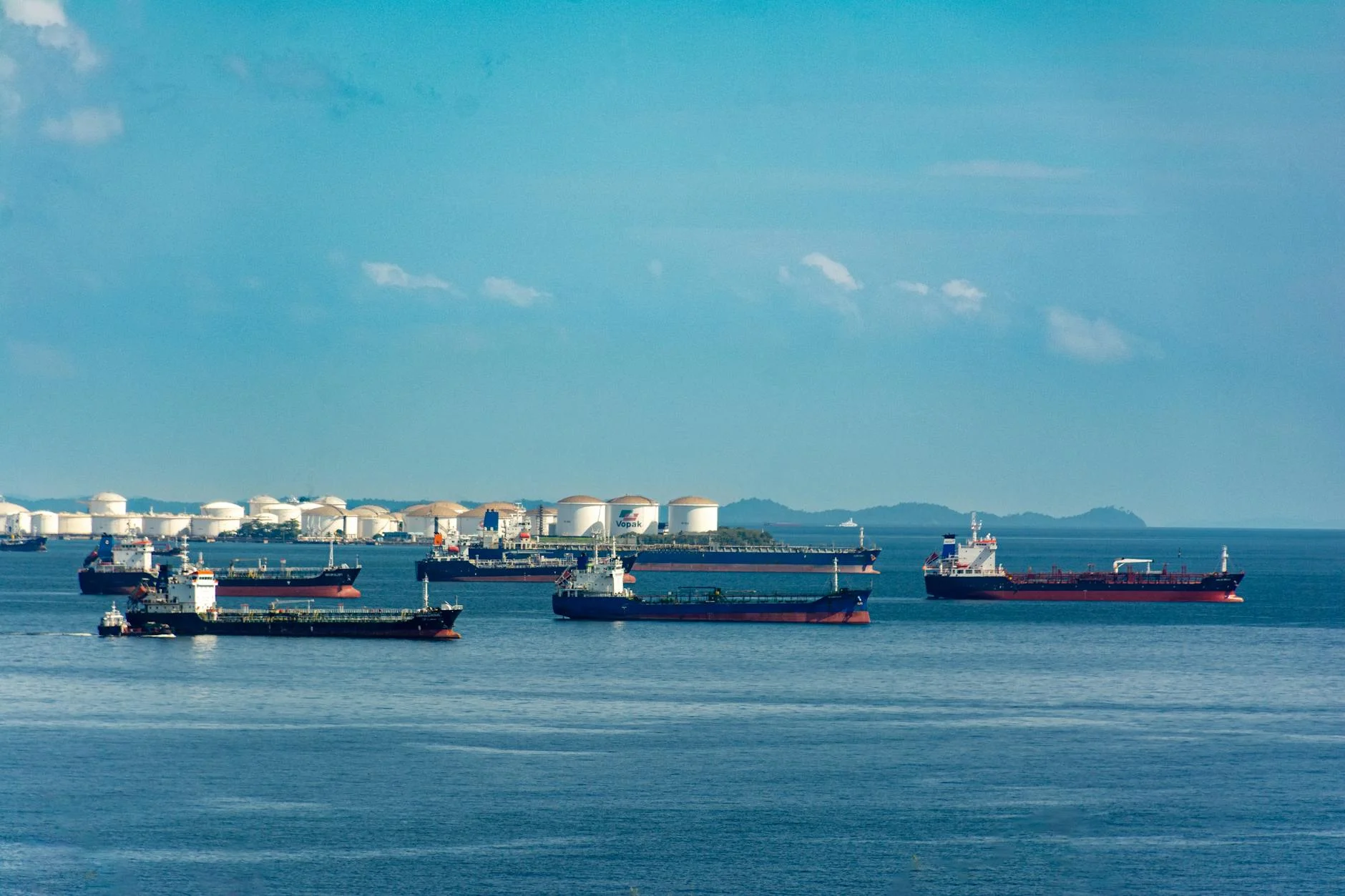
The scale of the disruption is not in dispute. Before the US and Israel launched their war on Iran on February 28, an average of 129 vessels passed the strait each day, according to UN Trade and Development data. By late April, only eight vessels crossed on a single Sunday—a 94 percent collapse in traffic. [1]
Only eight vessels crossed the strait on Sunday, down from 19 transits the previous day, according to ship tracking data monitored by maritime intelligence platform Windward. Before the US and Israel launched their war on Iran on February 28, an average of 129 vessels passed the strait each day, according to the United Nations Trade and Development (UNCTAD). [1]
Goldman Sachs estimated the blockade has reduced global oil production by 14.5 million barrels per day. [1] That figure dwarfs any single producer's output. Yet oil markets are not rallying on Iran's promise to restore it.
A different reading comes from Secretary of State Marco Rubio, speaking on Fox News. His framing cuts to the heart of why traders remain skeptical:
What they mean by opening the straits is, 'Yes, the straits are open, as long as you coordinate with Iran, get our permission, or we'll blow you up and you pay us.' That's not opening the straits. Those are international waterways. They cannot normalize, nor can we tolerate them trying to normalize, a system in which the Iranians decide who gets to use an international waterway and how much you have to pay them to use it.[2]
Rubio's statement reflects the US administration's position: Iran's proposal is not a genuine reopening—it is a conditional one, with Tehran extracting tolls or demanding coordination. The market interpretation aligns with Rubio's skepticism. Andy Lipow, president of Lipow Oil Associates, offered a concrete timeline for why patience remains thin:
Even if hostilities ended immediately, a return to normal market conditions would take months, Lipow said, citing the need to clear mines, ease tanker congestion and gradually restart production and refining. Factoring in shipping and distribution lags, he estimated it would take at least four to six months for oil markets to stabilize, with prices likely to remain elevated in the interim as inventories approach critical levels.[3]
In other words: even a genuine ceasefire tomorrow does not translate to lower prices next week. The infrastructure damage, mine clearing, and backlog of stranded tankers create a lag measured in quarters, not days.
What's Really Happening
The Real Stakes
For global energy markets: The closure has already triggered a 13 percent rise in Brent crude from $98.50 to $111.49 in one week. [1] [3] But the real damage is downstream. Sophie Huynh, portfolio manager at BNP Paribas, told the BBC that the shortage could affect everything from bin bags to medicine because the global supply chain depends on the products made with crude—not crude itself. [5] If the strait remains closed for more than a few weeks, she warned, the effects will be really far reaching in terms of supply chain.[5]
The UK government has already begun contingency planning. Darren Jones, chief secretary to the prime minister, told the BBC that even after the war ends, UK citizens should expect higher energy, food, and flight prices for at least eight months. [6] The International Monetary Fund downgraded its UK growth forecast to 0.8 percent from 1.3 percent, citing the energy shock. [6] This is not speculation—this is policy-level acknowledgment of structural economic damage.
For geopolitical negotiators: Iran's proposal to defer nuclear talks is a gamble. It signals that Tehran is willing to separate the immediate energy crisis from the longer-term strategic question of nuclear weapons. But Trump's team has not accepted this framing. Karoline Leavitt, White House press secretary, was careful not to say the administration was considering the offer. [2] She stated only that it was being discussed—a distinction that matters in diplomatic language. Trump's red line remains absolute: Iran must never acquire a nuclear weapon. [2]
For tanker owners and shipping insurers: The backlog is real and growing. Hundreds of vessels are stranded. Even if the strait reopens tomorrow, months of congestion and mine-clearing operations will follow. Insurance premiums will remain elevated. Shipping costs will remain elevated. The return to normal is not a switch—it is a slow, uneven process measured in quarters.
Geopolitical Dimension
The proposal reflects a deeper fracture in how different actors prioritize the crisis. The Gulf states—Saudi Arabia, UAE, Bahrain—have a different ordering of priorities than the US administration. Analyst Dania Thafer noted that Gulf nations are likely to welcome Iran's proposal to reopen the strait and defer nuclear talks, because their economies depend on energy flows, not on US strategic objectives in the Gulf. [9] They have a different ordering of priorities … and it does align with Iran's proposal of opening the Strait of Hormuz at the front of this negotiation, she said. [9]
Russia is also in the picture. Putin met with Araghchi in Saint Petersburg on Monday and reportedly told him that Moscow would do everything it could to help secure peace in the Middle East.[8] This is diplomatic cover for Iran—a signal that Russia will not remain neutral if negotiations collapse. But Russia's leverage is limited. Putin cannot reopen the strait or clear mines. He can only provide political support and perhaps backroom pressure on the US.
The UN is calling for urgent reopening. UN Secretary-General António Guterres warned that the impasse risks the worst supply chain disruption since COVID-19 and the war in Ukraine.[9] Dozens of countries, led by Bahrain, have issued a joint statement calling for the urgent and unimpeded opening of the strait. [9] But none of these calls change the fundamental negotiating positions: the US will not accept a conditional reopening with Iranian tolls, and Iran will not agree to immediate nuclear negotiations.

Impact Radar
Watch For
1. Trump's next public statement on Iran's proposal. [2] Leavitt said you'll hear directly from the president, I'm sure on this topic, very soon. If Trump rejects the proposal outright or demands nuclear concessions upfront, oil will spike further. If he signals openness to deferring nuclear talks, markets will rally.
2. Evidence of mine-clearing operations beginning. [3] Lipow estimated 4–6 months to stabilize markets once hostilities end. The first concrete signal that this timeline is real will be when NATO or UN-backed minesweepers enter the strait. No public timeline has been established yet, but this is the bottleneck between ceasefire and actual supply restoration.
3. Toll or fee framework from Iran. [4] If Tehran formally announces a toll system for Hormuz transit, the US will almost certainly reject it, triggering a new round of escalation. If Iran quietly drops the toll demand, it signals genuine willingness to restore the pre-war status quo—a material shift in negotiating posture.
Bottom Line
Iran's proposal to reopen the Strait of Hormuz is a negotiating tactic, not a binding commitment. Markets are pricing in the structural reality: even if a deal closes this week, oil will remain elevated for months due to mine-clearing, tanker congestion, and infrastructure damage. The real negotiation is not about energy—it is about whether Iran will accept a toll-free, unconditional reopening, and whether the US will decouple nuclear talks from immediate energy security. Until one side moves on these points, expect oil to remain north of $110 per barrel.