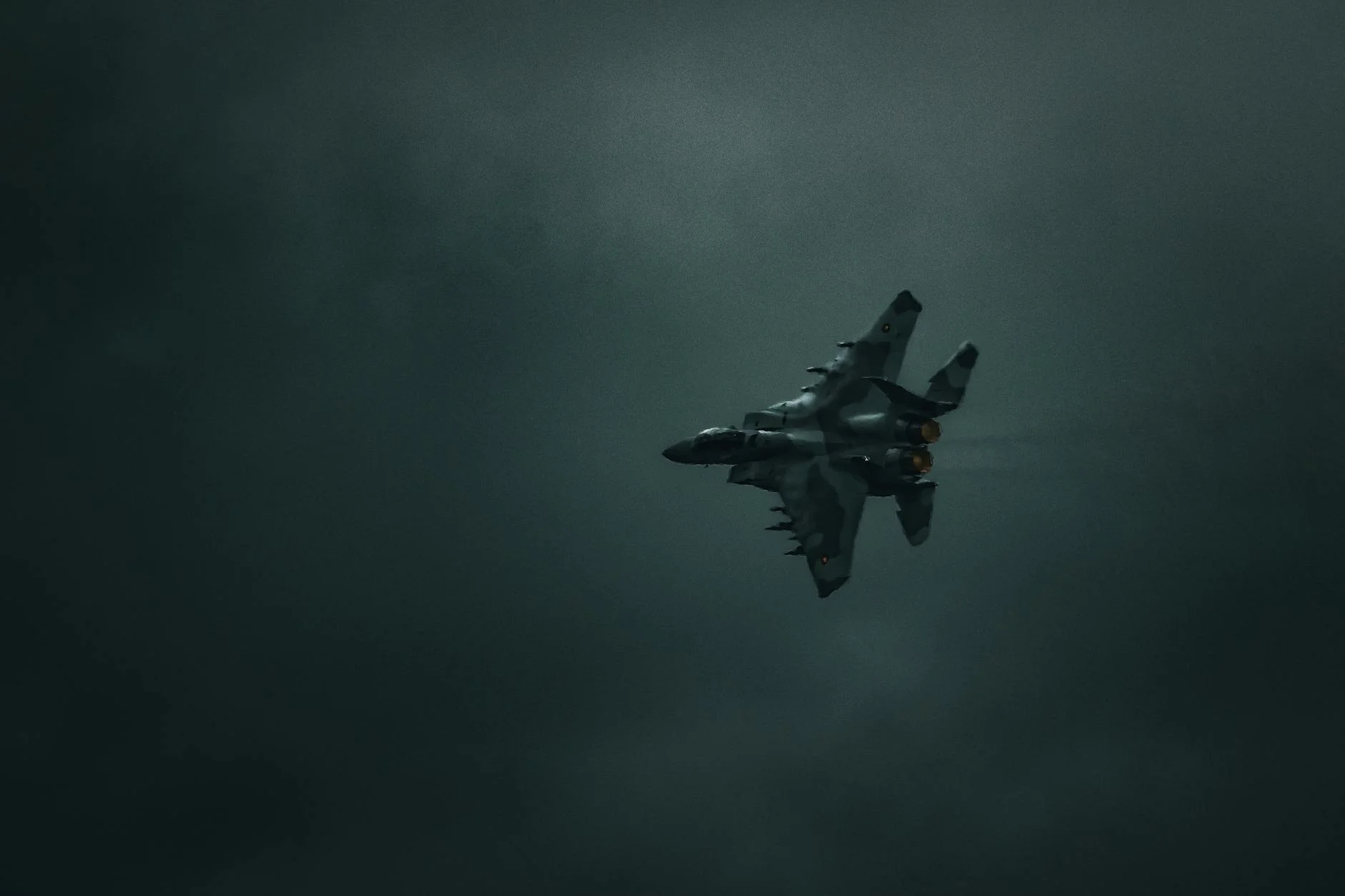
Pakistani military aircraft struck targets in Afghanistan's Kunar province on Monday, killing at least seven people and wounding 75—including students and faculty at Kunar University. The attack marks the first major breach of a fragile ceasefire brokered by China just weeks earlier, and it signals that neither Islamabad nor Kabul believes the other is serious about ending cross-border violence.
Dispatch
KABUL, 2026 — The BBC World Service, via correspondents Yogita Limaye and Gabriela Pomeroy, reported the strike on Monday:
Pakistani attacks on the east Afghan province of Kunar have killed at least seven people and injured 75, among whom are students and a professor at Kunar University, multiple sources have told the BBC. According to the Taliban government, 30 of the injured are university students. Pakistan's information ministry denied attacking the university and residential areas, saying the reports were fake. The Taliban say mortars and rockets were fired in the attack on Kunar province, while other sources told the BBC that jets and drones had been used. An unnamed professor who was teaching at Kunar University told the BBC he had heard terrifying explosions across the university campus.
BBC World, [Date]
Matiullah Shahab, a freelance journalist and human rights activist in Asadabad (Kunar's capital), corroborated the strike: [I had been a kilometre away from the attack on the university and had heard the sound of a bombardment at around 14:00 (09:30 GMT).] He witnessed civilians fleeing the town centre and confirmed multiple hospitalizations [1].
A contrasting narrative emerged from Islamabad. Pakistan's information ministry flatly rejected the allegations:
Pakistan's information ministry denied attacking the university and residential areas, saying the reports were fake.
BBC World, [Date]
Pakistan's military has a standard position on such strikes: they target militant hideouts, not civilian infrastructure. A spokesman for Pakistan's border forces described incidents in South Waziristan (on the Pakistani side of the border) as [the most serious clash since the ceasefire was declared] [2], implying that Afghan forces had initiated the exchange. This mutual blame is now routine.
What's Really Happening

The Real Stakes
Pakistan faces an insurgency within its own borders. The TTP has killed hundreds of soldiers and civilians in recent years. Islamabad believes—correctly or not—that the Taliban government either cannot or will not eject the TTP from Afghan territory. Each Pakistani air strike is framed domestically as a defensive measure against an existential threat [1]. But each strike kills civilians and hardens Taliban resolve to retaliate or withdraw from negotiations.
The Taliban, meanwhile, faces a legitimacy crisis. It controls Afghanistan but cannot guarantee stability. Cross-border strikes on civilian infrastructure—universities, hospitals, residential areas—undermine its authority and provoke nationalist backlash. When Pakistani missiles kill Afghan students, the Taliban's claim to have brought order collapses [1].
For China, the failure of the Urumqi talks is a diplomatic setback. Beijing has positioned itself as a regional mediator and stability broker. The collapse signals that its leverage over both Islamabad and Kabul is limited [2]. China has no direct military stake in the Pakistan-Afghanistan border, but instability there threatens Chinese interests in Xinjiang and Belt and Road infrastructure in Central Asia.
The United States and NATO have minimal leverage. The US withdrew from Afghanistan in 2021. Pakistan remains a nominal US ally, but Washington's influence over Islamabad's military operations is marginal. No US official has publicly condemned the Kunar strike or called for investigations [citation needed—no US statement found in sources].
Confirmed: The UN documented 269 deaths from the March 2026 Kabul air strike [1]. That casualty toll has not prompted international sanctions or investigations. This absence of accountability signals to Pakistan that further strikes carry minimal diplomatic cost.
Geopolitical Dimension
The Pakistan-Afghanistan border is a fault line in South Asian geopolitics. Three powers have competing interests:
Pakistan seeks to eliminate the TTP threat and maintain strategic depth in Afghanistan—a hedge against Indian influence. Islamabad's military, not its civilian government, drives border policy. The military has conducted unilateral air strikes for years with minimal civilian oversight [1].
Afghanistan under Taliban rule is weak and fragmented. The Taliban controls Kabul but struggles to administer remote provinces like Kunar. The group has limited capacity to police its own territory or prevent Pakistani militants from operating there. Yet it cannot afford to appear weak to its own population—hence the fierce rhetoric from deputy spokesman Fitrat [1].
China has invested heavily in stability. The Belt and Road Initiative includes infrastructure in Afghanistan and Pakistan. Instability threatens Chinese projects and creates refugee flows toward Xinjiang. Beijing's mediation attempt in April was genuine but insufficient: it lacked enforcement mechanisms and did not address the underlying security concerns that drive Pakistani strikes [2].
Turkey, Qatar, the UAE, and Saudi Arabia have also attempted mediation [2], but none has the military or economic leverage to compel compliance. The ceasefire collapsed because it was built on optimism, not structural change.

Impact Radar
Watch For
1. Taliban retaliation: If the Taliban conducts cross-border strikes into Pakistan within the next 14 days, the ceasefire is dead and sustained violence is probable. Watch for statements from Taliban military commanders (distinct from political spokespeople) signaling readiness to strike [1].
2. Chinese diplomatic response: If China convenes a second round of talks within 30 days, it signals Beijing believes the ceasefire is salvageable. If China remains silent for more than 60 days, it signals Beijing has abandoned the effort. No public timeline for follow-up talks has been announced [citation needed].
3. US or NATO statement: If Washington or NATO allies issue a joint statement condemning the strike and calling for investigations, it signals renewed Western engagement in South Asian security. As of this writing, no such statement has been made [citation needed].
4. Pakistani military statement: If Pakistan's military justifies the strike by naming specific TTP positions or commanders allegedly in Kunar, it signals confidence in the targeting. If Pakistan remains silent or claims the strike was "defensive," it signals uncertainty about the legality or necessity of the action.
Bottom Line
The Kunar strike proves that a ceasefire without verification, accountability, or enforcement is merely a pause between rounds of violence. China's April mediation was sincere but insufficient. Neither Pakistan nor Afghanistan trusts the other to comply, and the underlying security concerns—Pakistani militants in Afghan territory, Pakistani air strikes on Afghan civilians—remain unresolved. Unless a future agreement includes third-party monitoring, consequences for violations, and mechanisms to address past casualties, cross-border violence will resume in cycles. The next weeks will determine whether this strike triggers rapid escalation or a return to negotiation. Beijing's next move is critical.
---