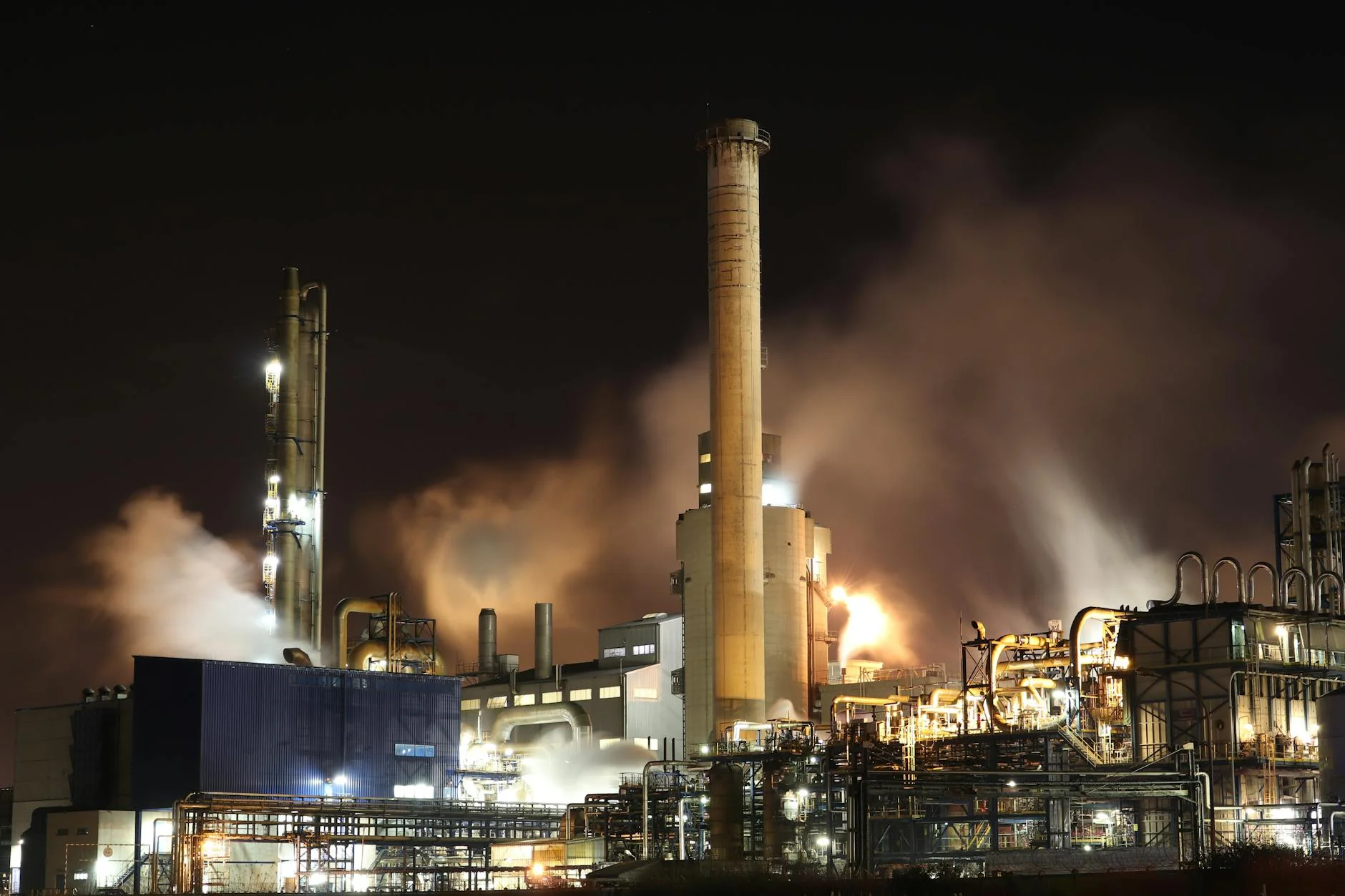
A Ukrainian drone attack ignited a large-scale fire at Russia's Tuapse oil refinery on the Black Sea on 28 April 2026, forcing evacuations and marking the second major strike on the same Rosneft facility in less than two weeks. The refinery had already been offline since 16 April following an earlier drone strike, meaning this attack targeted infrastructure already crippled—a pattern that suggests Ukraine is now systematically destroying Russia's ability to repair and restart critical energy assets rather than simply disrupting them temporarily.
Dispatch
TUAPSE, RUSSIA, 28 APRIL 2026 — The South China Morning Post reported the fire on Tuesday morning, citing statements from regional officials:
A Ukrainian drone attack has caused a "large-scale fire" at Russia's Tuapse oil refinery on the Black Sea, forcing the evacuation of nearby buildings, local officials said on Tuesday. The Rosneft-owned refinery delivers oil products mainly for exports but operations have been halted since April 16 following an earlier drone attack, industry sources said.
South China Morning Post, 28 April 2026
Veniamin Kondratiev, governor of the Krasnodar region, confirmed the strike on Telegram: Another serious incident has occurred in Tuapse. A large-scale fire broke out at an oil refinery after a drone attack. [1] The district head, Sergei Boyko, ordered evacuations of streets adjacent to the facility due to fire-spread risk. [1]
A different editorial angle emerges from the BBC's reporting on Ukraine's broader drone strategy. In a rare interview with Robert Brovdi, commander of Ukraine's Unmanned Systems Forces, the BBC documented the deliberate targeting logic:
If oil refineries are a tool to make money that's used for war, then they are a legitimate military target, subject to destruction. Brovdi justified the strikes against facilities like Tuapse, noting that Putin extracts natural resources and converts them into blood dollars that they then direct against us in the form of Shahed drones and ballistic missiles. [6]
The BBC also reported that residents in Tuapse had complained of toxic rain after the strikes, and that President Zelenskyy characterized such deep strikes as very painful to Moscow, causing critical losses running to tens of billions of dollars in its energy sector. [6] This framing—energy infrastructure as a legitimate military target—represents a significant escalation in Ukraine's strategic calculus, distinct from earlier, more opportunistic attacks on military installations.
What's Really Happening
The Real Stakes
For Russia's energy sector: The Tuapse refinery supplies oil products mainly for export. [1] With the facility offline since 16 April and now struck again, Rosneft faces a decision: spend capital on repairs that Ukraine will likely target again, or write off the facility and redistribute its export capacity to other refineries. Russia's oil export capacity is already under pressure. [1] Each refinery taken offline reduces Moscow's ability to convert crude reserves into hard currency—the lifeblood of the war economy.
For global oil markets: Brent crude has risen to $109 per barrel as of late April 2026, partly due to supply disruptions in the Middle East and partly due to the cumulative effect of Ukrainian strikes on Russian export infrastructure. [11] Tuapse is a relatively modest facility, but it is one of several Russian refineries now targeted. If Ukraine continues escalating strikes on export infrastructure—a pattern the BBC's interview with Brovdi suggests is deliberate—global oil prices could spike further, affecting energy costs across Europe and Asia. The Al Jazeera summary noted that Russian oil exports slump as Ukraine hammers ports and refineries, [2] indicating the cumulative effect is already measurable.
For Ukraine's military doctrine: Commander Brovdi stated that Ukraine's Unmanned Systems Forces, comprising just 2% of Ukraine's military, now claim responsibility for holding back Russia's ground advance by killing a record number of soldiers through drone strikes. [6] If true, this suggests that long-range strikes on energy infrastructure are not a distraction from frontline warfare—they are a force multiplier. By degrading Russia's ability to fund and supply its military, Ukraine is attacking the war machine at its source. Zelenskyy described such strikes as very painful to Moscow, causing critical losses. [6]
Geopolitical Dimension
The Tuapse strikes occur as U.S.-brokered peace talks remain stalled. The South China Morning Post noted that US-brokered talks on the war in Ukraine [are] on pause and Washington mainly focusing on the Iran war. [1] This timing is significant. With diplomatic off-ramps unavailable, Ukraine is escalating military pressure on Russian economic capacity. The strategy is: if negotiations are frozen, degrade Russia's ability to sustain the war through attrition of its revenue base.
Simultaneously, Russia faces cascading military setbacks in Africa. The BBC reported that Russian Africa Corps forces were forced to withdraw from the northern Malian city of Kidal after coordinated attacks by jihadist militants and separatists over the weekend of 26–27 April 2026. [5] This withdrawal, occurring just one day before the second Tuapse strike, signals that Russia's military capacity is stretched. Moscow cannot simultaneously defend its domestic energy infrastructure, maintain its presence in Mali, and sustain operations in Ukraine. Ukraine's drone campaign is, in effect, betting that Russia will prioritize the Ukraine front and leave energy infrastructure vulnerable—or that Russia will attempt to defend both and fail at both.
Industry Context
The Tuapse refinery is part of Russia's limited portfolio of export-oriented downstream capacity. Russia operates roughly 20 major refineries; Tuapse is mid-sized but strategically important because it sits on the Black Sea and can export to global markets. [1] With the facility offline since mid-April and now struck again, Rosneft must divert export volumes to other refineries—likely Sochi or Novorossiysk—which increases logistics costs and reduces total throughput. Each refinery taken offline raises marginal costs for the remaining facilities and creates bottlenecks in Russia's ability to export oil products.
The BBC reported that Ukraine's drone arsenal is becoming cheaper and more capable. Locally produced drones are becoming cheaper and flying further: the model we see launch can now travel more than 1,000km and others already go twice as far. [6] This suggests Ukraine has moved beyond reliance on Western-supplied long-range missiles (which are scarce and expensive) to domestically produced drones (which are abundant and scalable). If Ukraine can produce dozens of drones per week, it can sustain a campaign against Russian energy infrastructure indefinitely—even if Russia shoots down 70–80% of the drones in flight, the survivors will still degrade Russian export capacity over time.
Impact Radar
Watch For
1. Frequency of strikes on Russian refineries through May–June 2026. If Ukraine launches more than two strikes per week on refinery targets (versus the current pace of roughly one major strike per 7–10 days), it signals a sustained campaign rather than opportunistic targeting. The BBC's interview with Brovdi, published in late April 2026, suggested escalation was planned: such attacks will escalate. [6] Monitor Russian official statements on refinery damage and repair timelines as a proxy for actual strike frequency.
2. Russian repair capacity and timeline for Tuapse restart. Rosneft has not announced a repair timeline. If the facility remains offline beyond June 30, 2026, it suggests either the damage is severe or Rosneft has decided the facility is not worth repairing while under threat. This would represent a strategic Ukrainian victory—not just disruption, but permanent capacity loss.
3. Global oil prices in response to cumulative refinery losses. Brent crude was at $109/barrel as of late April 2026. [11] If multiple Russian refineries are taken offline and prices spike above $115–120/barrel, Western allies will face pressure to negotiate a ceasefire to stabilize energy markets. Watch for statements from European energy ministers or OPEC+ members indicating concern about supply tightness.
Bottom Line
Ukraine has shifted from sporadic attacks on Russian military targets to a systematic campaign against Russia's energy export infrastructure. The second strike on Tuapse within 12 days—while the facility was already offline—signals intent to destroy, not disrupt. With locally produced drones now capable of reliable strikes at 1,000+ km range, Ukraine can sustain this campaign indefinitely. Russia faces a strategic choice: defend its energy infrastructure (diverting resources from the frontline) or accept cascading losses to its war economy. Neither option is costless, and Ukraine is betting that Russia cannot do both. For global markets, this means sustained upward pressure on oil prices and a higher risk of energy shortages in Europe and Asia if the campaign continues.
---