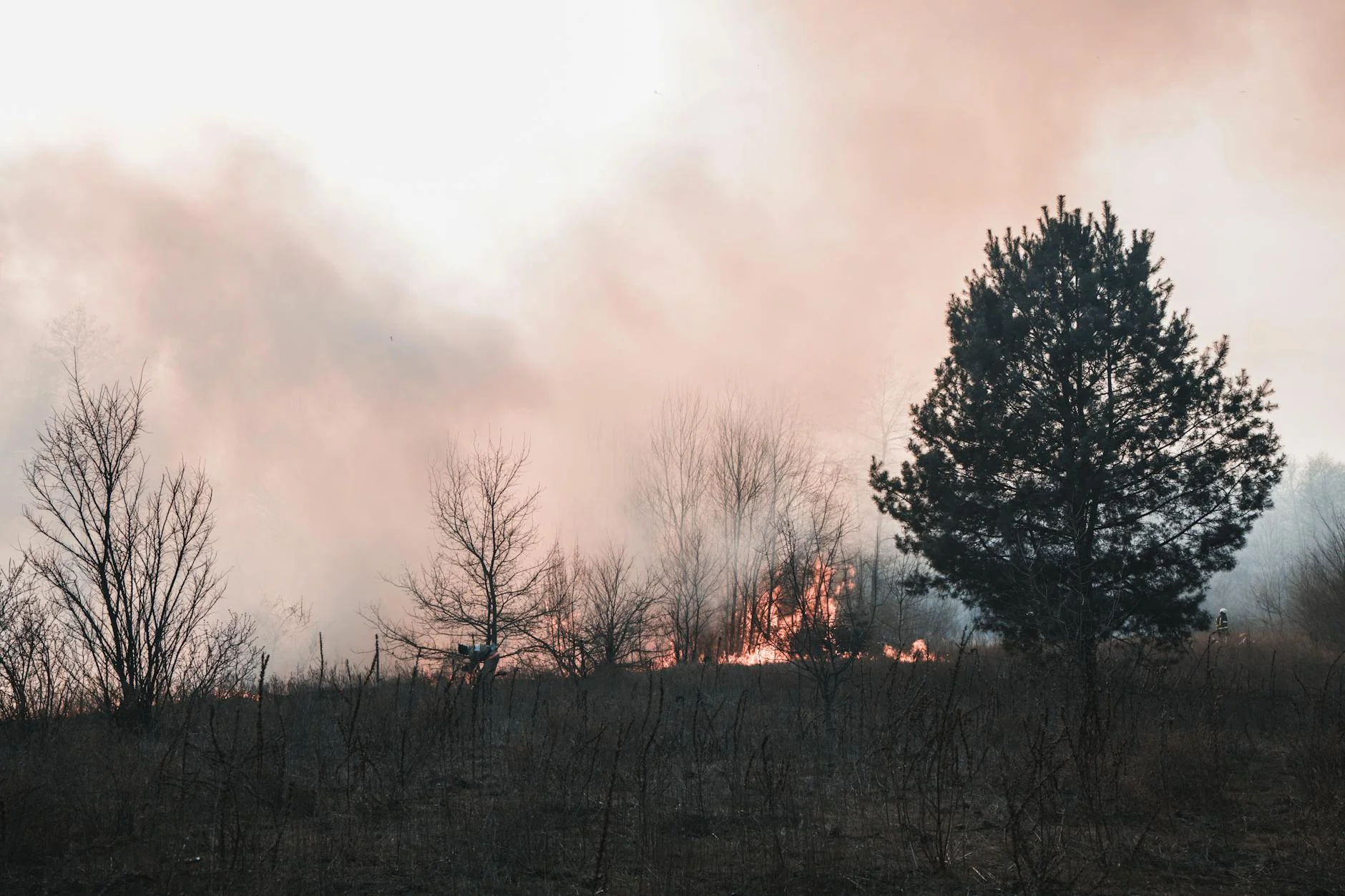
Europe burned. In 2025, wildfires across the continent released 47 million tonnes of carbon—a record—while temperatures in the Arctic Circle reached 30°C (86°F) for 21 consecutive days, a phenomenon that should occur zero to two days per year. The European State of the Climate 2025 report, published by the EU's Copernicus Climate Change Service and the World Meteorological Organization, confirms what policymakers have long feared: Europe is not adapting faster than it is warming.
Dispatch
BRUSSELS, April 29, 2026 — The European Centre for Medium-Range Weather Forecasts (ECMWF) released its annual climate audit today, and the numbers are unforgiving. According to New Scientist, which reported on the ECMWF findings:
Europe suffered unprecedented wildfires and heatwaves in 2025, impacts that are expected to worsen on the world's fastest-warming continent. Last year was the hottest year on record in the UK, Iceland and Norway and one of the three hottest years in Europe as a whole. More than 95 per cent of the continent experienced above-average annual temperatures. Scandinavia, Finland and north-western Russia saw their worst-ever heatwave, 21 days of simmering temperatures that reached 30°C (86°F) even at the Arctic circle.[1]
Celeste Saulo, secretary-general of the World Meteorological Organization, put the regional acceleration in stark terms: Since 1980, Europe has been warming twice as fast as the global average, [and] heatwaves are becoming more frequent and severe.[1]
The wildfire toll was staggering. In Portugal and Spain alone, more than 10,000 square kilometres burned in August, with smoke drifting into the UK and fires approaching Madrid. Climate warming set the stage for record wildfires in Portugal and Spain in August, making the extremely hot, dry, windy conditions there at least 40 times more likely.[1] Across the continent, Spain, the UK, the Netherlands, Germany and Cyprus all set new records for wildfire-related carbon emissions.[1]
A complementary analysis from Deutsche Welle (Germany, April 29, 2026) adds critical context on the scale:
Overall, 2025 was catastrophic year for wildfires in Europe, with more than 1 million hectares of land burned. Greece witnessed one of its most severe wildfire outbreaks in recent years when 50 fires began in 24 hours.[2]
The mechanism behind the Portuguese and Spanish catastrophe reveals how climate feedback loops are now operating in real time. Samantha Burgess, Strategic Lead for Climate at ECMWF, explained: An extremely wet spring that boosted vegetation growth was followed by record summer heat, which dried out those plants and shrubs, creating a tinderbox.[1] Soil conditions were the driest in 33 years of observations, with more than a third of Europe experiencing extreme agricultural drought.[1]
---
What's Really Happening
---
The Real Stakes
Economic shock is already here. Agricultural losses across drought-stricken regions (UK, Turkey, Ukraine) will ripple through European food prices and export competitiveness. Insurance companies are repricing risk; reinsurance markets are tightening. Dušan Chrenek, of the European Commission, acknowledged the stakes at the ECMWF briefing: The cost of inaction is significantly higher than the cost of tackling negative impacts.[1] That is bureaucratic language for: we are about to spend billions on adaptation, or we will spend trillions on disaster response.
The renewable energy counterweight is real but fragile. In 2025, solar power generated a record 12.5 per cent of Europe's electricity, with renewables hitting 46 per cent overall [1]. This is genuine progress—and it matters because cooling demand will spike as heatwaves intensify. But renewable capacity does not insulate Europe from the underlying climate shock. It only buys time.
Biodiversity collapse is now observable, not projected. Celeste Saulo stated: This region would [typically] see zero to two days of strong heat stress, and we are speaking about 21, so this had a major impact on ecosystem health.[1] Marine heatwaves have killed huge amounts of coral, seagrass beds and shellfish in past cycles [1]. The Mediterranean has endured 100 per cent heatwave coverage for three consecutive years [1]. This is not climate change; this is climate collapse in specific regions.
---
Geopolitical Dimension
Europe's climate crisis is reshaping its relationship with energy sovereignty and strategic autonomy. The continent's dependence on fossil fuel imports from unstable regions has long been a vulnerability; now that vulnerability is compounded by climate-driven energy demand spikes.
Consider the immediate context: Europe is simultaneously grappling with extreme heat (driving air-conditioning demand), a war in the Middle East that has disrupted oil and gas flows, and a political shift in the United States that has called NATO's credibility into question [3]. Dušan Chrenek's call for Europe to lead the way on slowing climate change is not just environmental rhetoric—it is a plea for strategic decoupling from energy dependency [1].
The EU's Article 42.7 mutual defence clause has suddenly become relevant in a way it was not before. If one member state faces climate-driven resource scarcity (water, food, energy), does it trigger collective EU support? The question is no longer theoretical [3]. Poland's Donald Tusk has already signalled that Europe's most important question is whether the US will remain a reliable security partner [3]. Climate-driven migration, agricultural collapse, and energy shortages will test EU cohesion far more severely than any diplomatic spat.
Spain and Portugal, both heavily dependent on tourism and agriculture, face the sharpest near-term geopolitical exposure. If the 2025 wildfire season becomes routine, capital will flee southern Europe. Tourism revenues will crater. Labor migration will accelerate northward. The EU's internal balance of power will shift.
---
Impact Radar
---
Watch For
1. EU adaptation budget announcement (Q3 2026): The European Commission has signalled that a formal blueprint for climate adaptation will be published following the April 2026 summit [1][2]. If the budget allocation for adaptation infrastructure exceeds mitigation spending for the first time, it signals official recognition that Europe has entered a managed-decline phase rather than a prevention phase.
2. Mediterranean sea surface temperature threshold breach (Summer 2026): If Mediterranean waters exceed 31°C for more than 30 consecutive days, expect mass mortality of commercial fish stocks and a cascade of fishery closures. This will trigger food price spikes across southern Europe and accelerate capital flight from coastal regions.
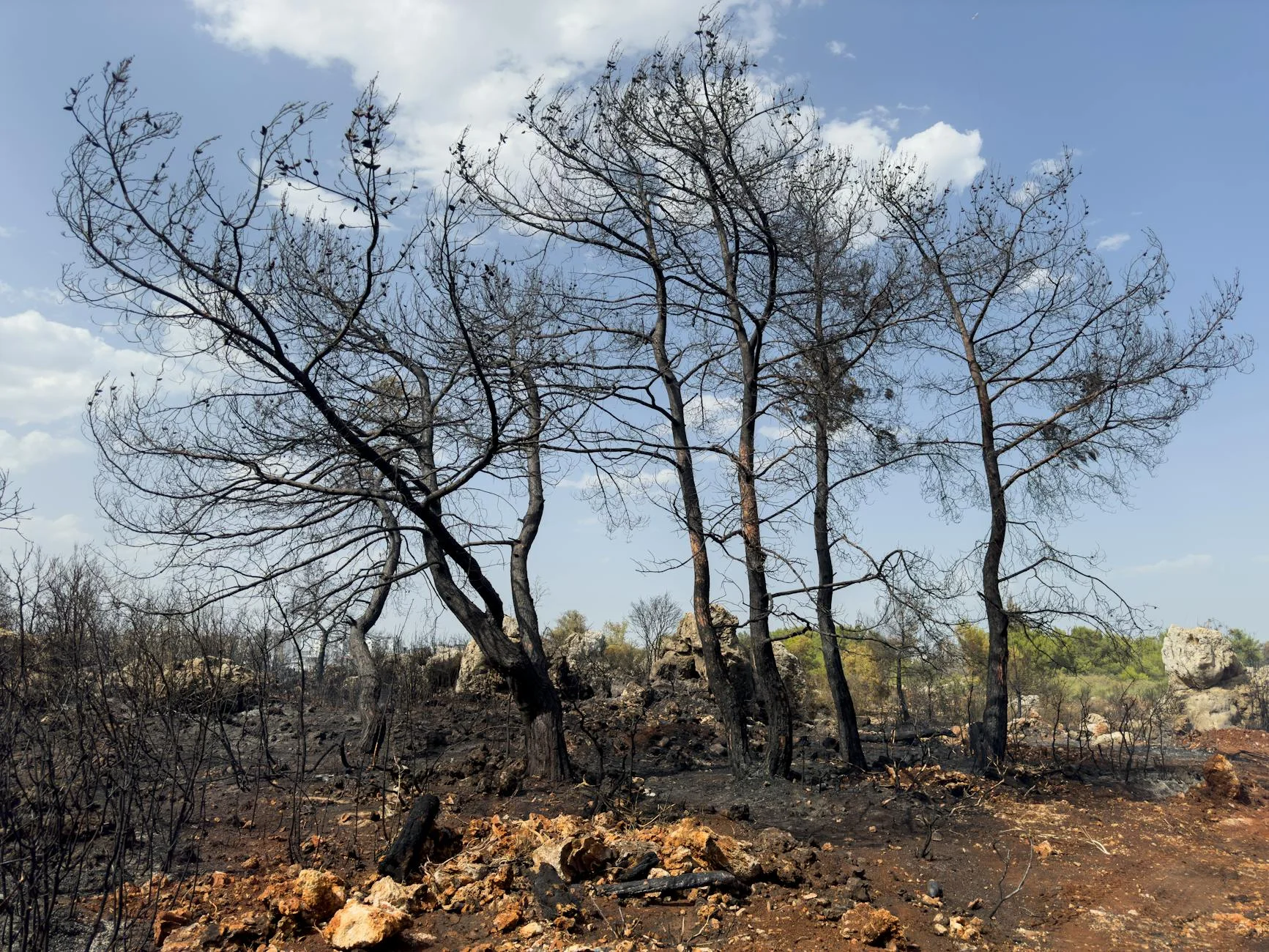
3. Wildfire season severity index (August–September 2026): Monitor whether 2026 wildfire emissions exceed 2025's record 47 million tonnes [1]. If they do, Europe will have entered a self-reinforcing carbon-release cycle independent of industrial emissions. This would effectively invalidate the EU's net-zero 2050 target as currently modelled.
---
Bottom Line
Europe is no longer preparing for climate change—it is managing climate collapse in real time. Record wildfires, Arctic heatwaves lasting 21 days instead of two, and marine ecosystems in wholesale die-off are not worst-case scenarios; they are 2025. The continent's renewable energy gains (46 per cent of electricity) are real but insufficient to offset the speed of ecosystem degradation. Adaptation, not mitigation, is now Europe's primary climate challenge, and the EU is underfunded and unprepared for what is coming.
---