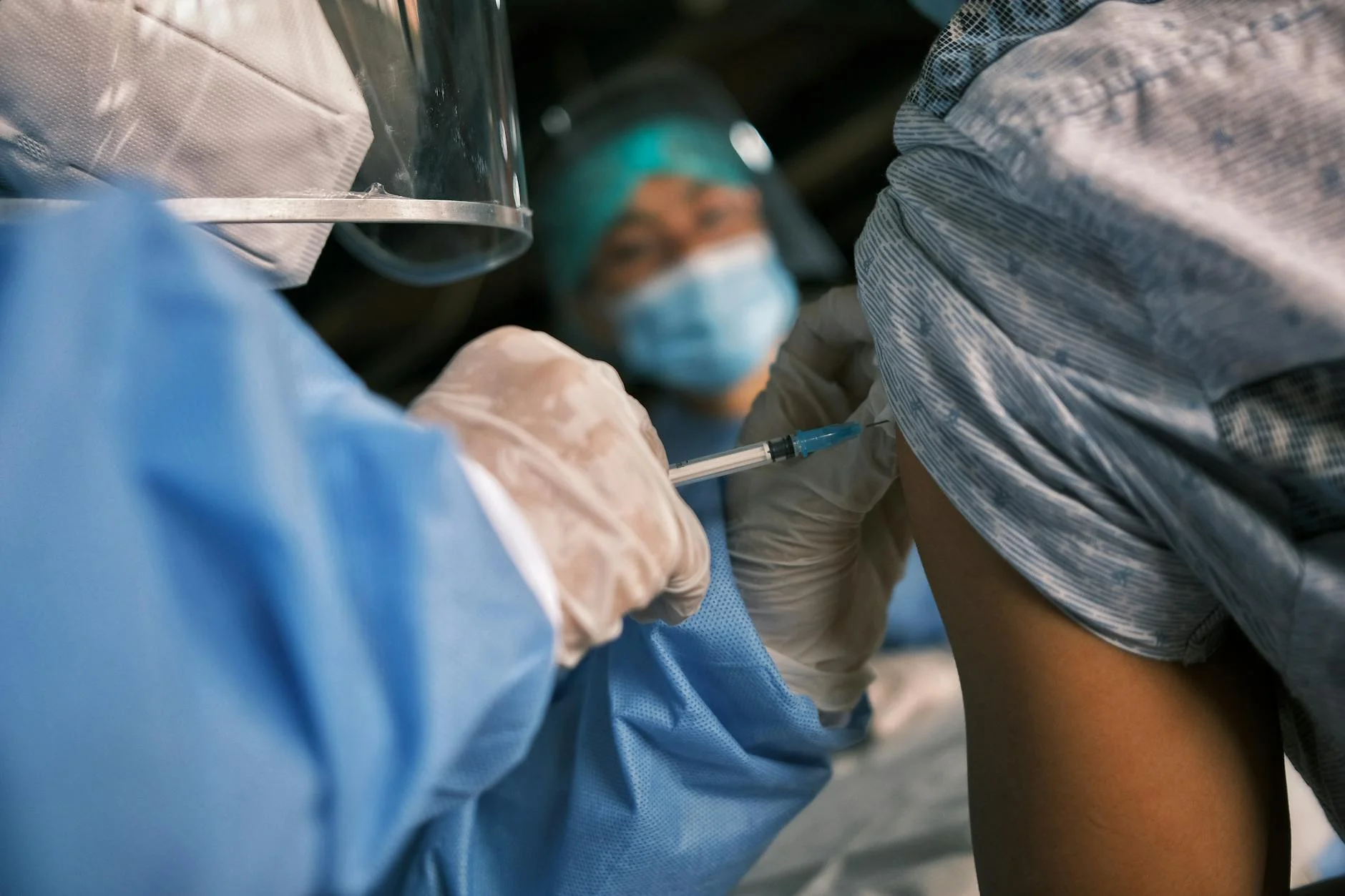
Nearly $9 million has been wagered on measles cases in the United States since January 2026, placed by thousands of amateur and professional forecasters on commercial prediction markets Kalshi and Polymarket. One projection—that 2,000 measles cases would occur by year-end 2025—proved accurate to within 1.4 per cent (actual: 2,288 cases). The phenomenon raises a heretical possibility: gamblers might be better early-warning systems for disease spread than the epidemiological models that public health agencies have relied on for decades.
Dispatch
NEW YORK, April 2026 — New Scientist reported in April 2026 that prediction markets have emerged as an unexpected surveillance tool for infectious disease forecasting. The outlet interviewed Spencer J. Fox, a disease forecaster at Northern Arizona University, who studies COVID-19, influenza, and RSV:
In June 2025, the prediction markets favoured an outcome in which there would be around 2000 cases of measles by the end of the year. There were actually 2288. "I've seen many worse forecasts from our models," says Fox.
New Scientist, April 2026
Fox's candid admission—that a betting market outperformed his own epidemiological models on a specific prediction—is not casual. It signals a rupture in how we think about disease surveillance. Traditional epidemiological forecasting incorporates vaccination rates, genomic sequencing data, and climate variables. Prediction markets incorporate none of that. They incorporate only the aggregated intuition of people with money on the line.
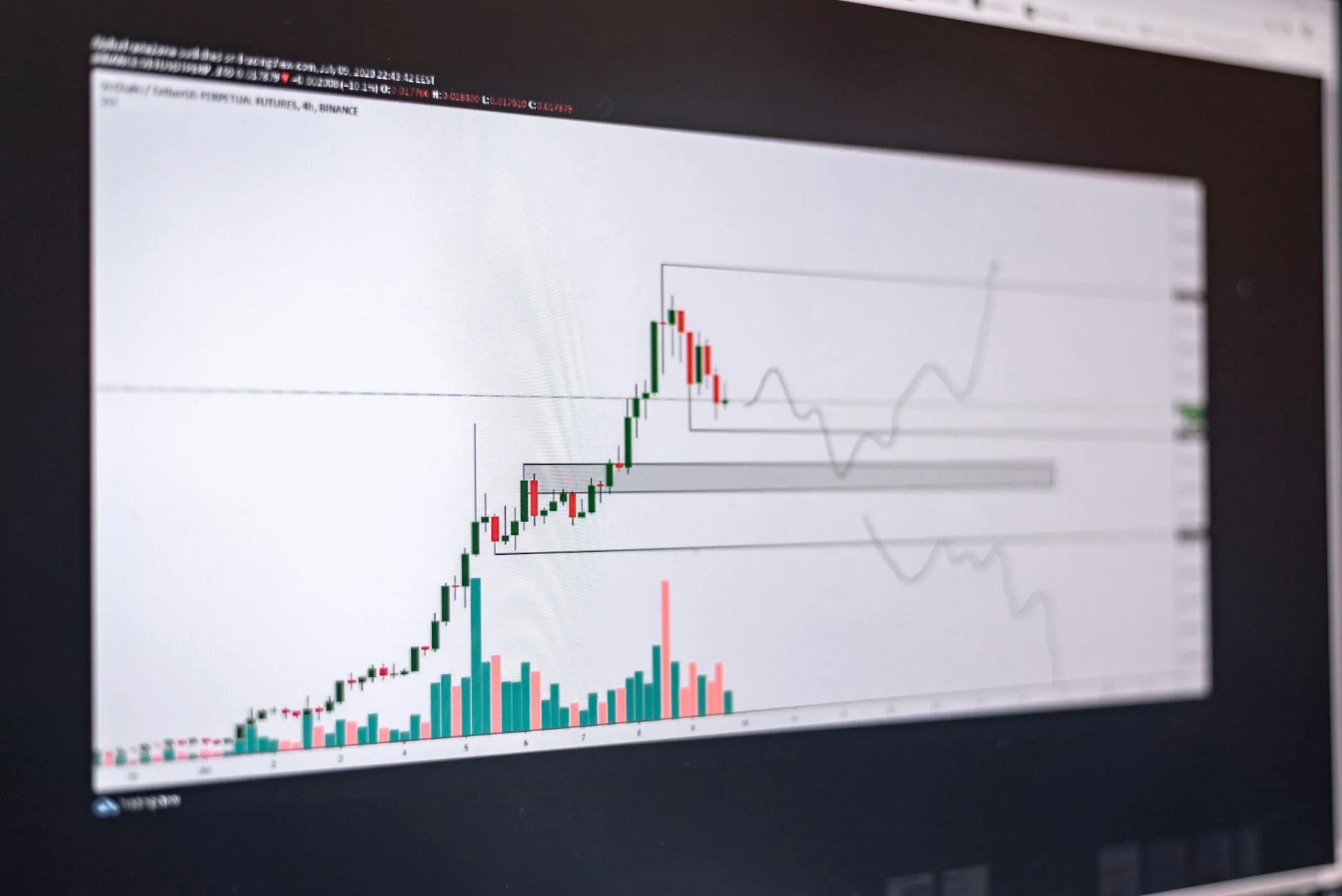
The mechanics are straightforward. On platforms like Polymarket and Kalshi (both regulated by the US Commodity Futures Trading Commission), users buy and sell shares tied to binary outcomes. If 86 per cent of traders bet yes on a future measles case count exceeding 2,500, a yes share costs 86 cents. Correct predictors pocket $1 per share; losers absorb the loss. The price itself becomes a probability estimate—a real-time consensus of what the market believes will happen.
A contrasting perspective emerges from Emile Servan-Schreiber, CEO of Hypermind, a competing prediction market platform. His explanation for the markets' accuracy invokes what he calls the wisdom of crowds:
Amateurs…bring cognitive diversity that replaces what they lack in expertise.
Emile Servan-Schreiber, New Scientist, April 2026
This framing is seductive—democratic, almost. But it obscures a harder truth: prediction markets work because they align incentives with accuracy. A modeller who publishes a flawed forecast faces no financial penalty; a trader who publishes a flawed forecast loses money. The market enforces discipline that peer review often does not.
What's Really Happening

The Real Stakes
The immediate stakes are methodological. If prediction markets can detect measles outbreaks faster than CDC surveillance systems—which rely on passive reporting from clinics and hospitals—then public health agencies face a choice: integrate market signals into their early-warning infrastructure, or ignore a real-time data source out of institutional inertia.
Confirmed: measles cases in the US have been rising [1]. The fact that $9 million has been wagered on measles outcomes since January 2026 suggests that traders perceive elevated risk. Whether that perception reflects ground truth or collective anxiety remains unclear—but the distinction matters operationally. If markets are systematically overestimating measles risk, they could trigger unnecessary public health mobilisation. If they are underestimating it, they could delay response.
Spencer J. Fox argued that only experts can predict rare events and warned: If we don't invest in the expertise for forecasting infectious diseases now, we're going to be caught flat footed for the next covid-19. [1] This is a turf defence—epidemiologists protecting their institutional role—but it is not wrong. Markets are terrible at forecasting black swans. They are good at pricing known risks. The 2024–2026 measles uptick is not a black swan; it is a predictable consequence of declining vaccination rates in specific US communities. Markets can price that. They cannot forecast a novel pathogen emergence.
The deeper stakes are about institutional authority. Public health agencies have lost credibility since COVID-19. Prediction markets, by contrast, have gained it—precisely because they are decentralised, transparent, and financially enforced. If markets can forecast disease better than government, the political implication is clear: decentralised systems outperform bureaucratic ones. That narrative will attract libertarian policymakers, venture capital, and ideological opponents of public health infrastructure. Whether it is true is a separate question from whether it will be believed.
Industry Context
Prediction markets remain niche in the US, legally ambiguous, and politically contentious. In February 2026, a Polymarket trader won $553,000 by correctly predicting the death of Iran's Ayatollah Ali Khamenei on 28 February 2026 [2]. The win triggered congressional scrutiny over whether insider information was being monetised as state secrets. The measles markets have not attracted similar attention, but they will if prediction markets become a primary source of public health intelligence.
Kalshi and Polymarket are regulated by the Commodity Futures Trading Commission but face growing backlash from federal and state governments [1]. The regulatory environment remains hostile. Should measles markets expand significantly, expect pushback from public health agencies and state attorneys general on grounds of consumer protection and public welfare.
Watch For
1. Whether the CDC or HHS formally integrates prediction market data into its official forecasting models. As of April 2026, no federal health agency has announced such integration. If the agency publishes guidance or a pilot programme incorporating prediction market signals by Q4 2026, it signals institutional acceptance and will legitimise the markets. If it does not, the markets remain a parallel system, watched by traders but ignored by policy.
2. Measles case counts and vaccination rates in the second half of 2026. If measles cases decline sharply (suggesting the 2025–2026 spike was temporary), the markets will be tested on their ability to forecast the downturn. If cases continue rising or plateau, markets will face a different test: can they predict inflection points? Track the actual case counts against market predictions monthly.
3. Whether Kalshi or Polymarket publishes a retrospective analysis of their measles forecasting accuracy. Both platforms declined to comment to New Scientist. If either publishes a detailed validation study, it will either strengthen or undermine claims about market accuracy. If neither publishes, assume the track record is mixed and the single positive case cited by Fox is non-representative.
Bottom Line
Prediction markets are detecting measles trends with accuracy that rivals or exceeds traditional epidemiological models in narrow, well-defined scenarios—but they are not a substitute for public health expertise, and treating them as one would be reckless. The real value lies in integration: using market prices as one input among many into official forecasts, not as a replacement for them. The risk is that political actors, attracted to the narrative of decentralised wisdom, will defund epidemiological capacity and rely instead on gambling platforms to forecast disease. That would be a catastrophic policy error dressed up in market logic.