Machine Learning Boosts Medicine Access 19% in Sierra Leone
Nature study proves smarter algorithms can close healthcare gaps in resource-limited African settings.
By Adrian Cole🕐 4/29/2026 · 1:08 PM ET5 min read1718 words
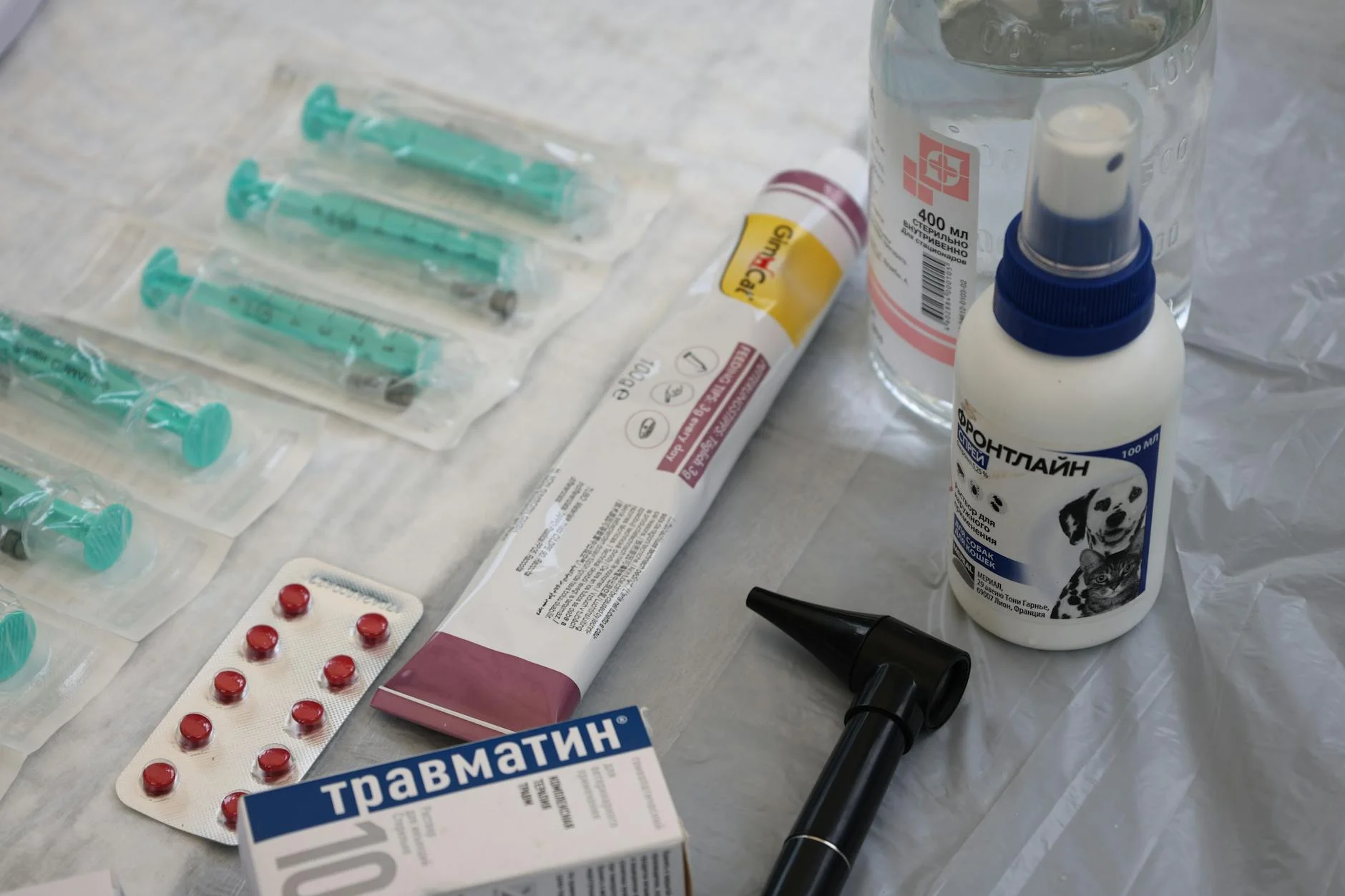
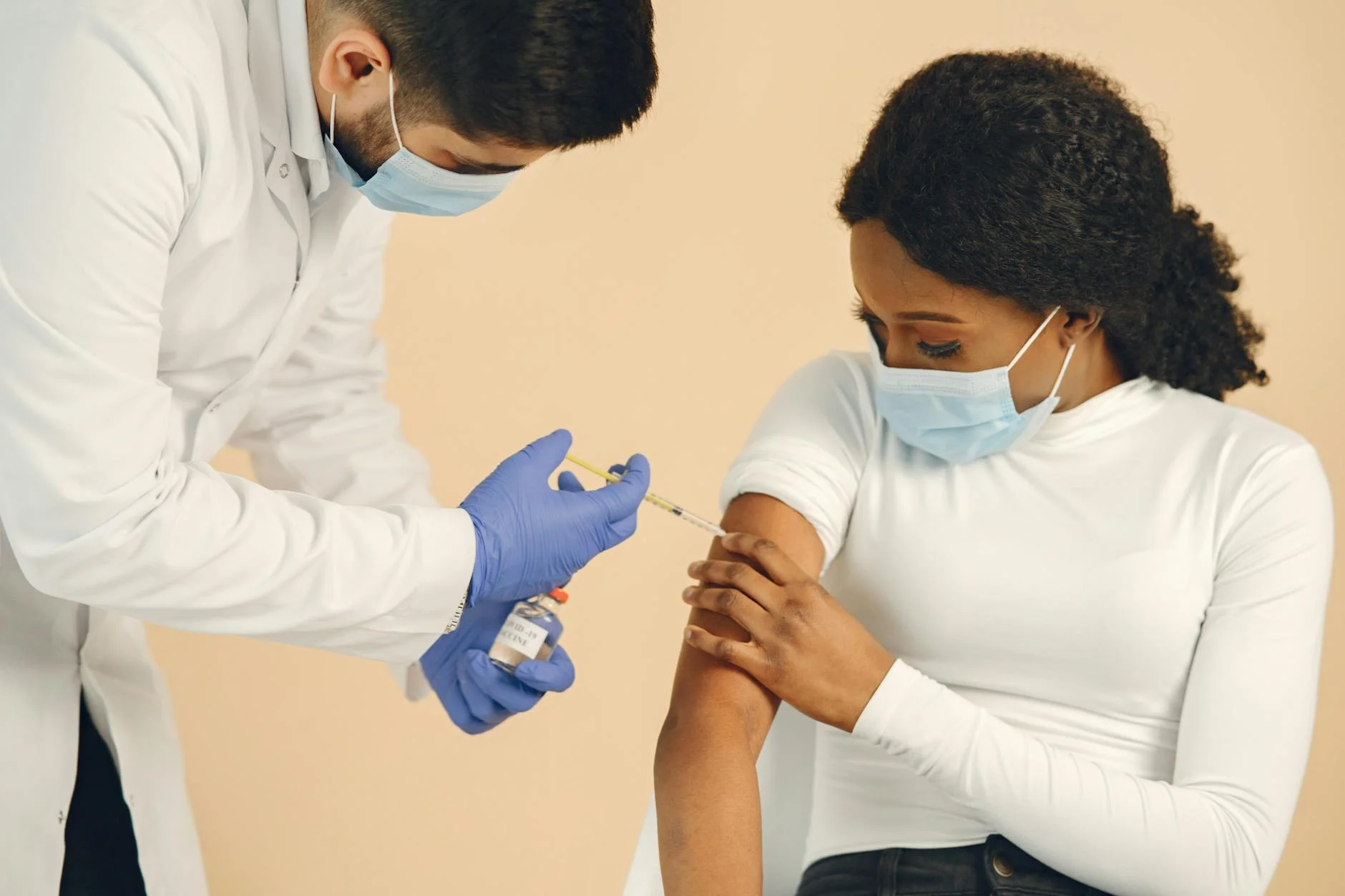
Stock photo · For reference only · Not taken by our journalists
On 29 April 2026, Nature published evidence that a novel machine learning framework deployed nationwide in Sierra Leone increased medicine consumption by 19% in treated districts, reaching an estimated two million women and children under five.[1] The system works differently from standard algorithms: it accounts for equity constraints and operates on limited, messy data—the exact conditions that break conventional AI in low-income healthcare systems. But deployment success and scalability are not the same thing.
Dispatch
LONDON, 29 April 2026 — Nature's peer-reviewed finding represents the first large-scale, econometrically evaluated deployment of decision-aware machine learning for pharmaceutical allocation in a sub-Saharan African nation.
A critical challenge in healthcare systems in low- and middle-income countries is the efficient and equitable allocation of scarce resources, particularly essential medicines. This problem is complicated by limited high-quality data, which restricts the applicability of traditional data-driven techniques. Here we propose a novel decision-aware machine learning framework for the allocation of essential medicines, which additionally leverages multi-task learning to ensure sample efficiency and catalytic priors to ensure equitable allocation. In collaboration with the national government of Sierra Leone, we performed a staggered, nationwide deployment of our system as a decision support tool. Our econometric evaluation finds an estimated 19% increase in consumption of allocated products in treated districts, demonstrating its efficacy at improving access to essential medicines. Our tool was subsequently scaled nationwide, covering an estimated two million women and children under 5 years of age.[1]
Nature, 29 April 2026
📷 Image via Nature News · Reproduced for editorial reference under fair use
The framework differs fundamentally from the machine learning systems deployed in wealthy healthcare systems. Standard algorithms optimise for prediction accuracy; this system optimises for decision-making under constraints. It uses multi-task learning—training on related problems simultaneously—to squeeze signal from sparse data. It embeds catalytic priors (expert-informed assumptions about fairness) into the algorithm itself, rather than treating equity as a post-hoc adjustment.[1] The authors do not name the specific medicines or reveal the full technical architecture in the abstract, though code and anonymised evaluation data are publicly available on GitHub and Dryad.[1]
The staggered rollout is methodologically significant. Rather than deploying system-wide immediately, the researchers implemented it district-by-district, creating a natural experiment: some districts received the algorithm's recommendations in Q2 2023, others later. This allowed econometric comparison of treated vs. control districts.[1] The 19% consumption increase was measured against baseline—a substantial gain in a setting where stock-outs are endemic.
A different reading comes from the International Finance Corporation (IFC), which has separately documented barriers to medicine access across sub-Saharan Africa:
Local manufacturing capacity, supply chain fragmentation, and weak last-mile distribution remain the primary constraints on medicine availability in low-income African countries, often outweighing allocation inefficiency as a driver of stock-outs.[2]
International Finance Corporation, "Improving Access to Essential Medicines Through Local Manufacturing in Africa" (date and URL unavailable from source research)
This distinction matters. The Nature study optimises allocation of existing stock. It does not solve upstream problems: manufacturing capacity, import logistics, or currency constraints that prevent procurement in the first place. A perfectly allocated empty warehouse is still an empty warehouse.
What's Really Happening
The algorithm works, but only as a decision-support tool. The 19% consumption increase is real and econometrically significant, but it assumes that district-level health workers receive the recommendations and can act on them.[1] Real-world implementation depends on buy-in, training, and political will—none of which the Nature paper quantifies.[1]
Data quality is the unspoken bottleneck. The paper notes that limited high-quality data is the core problem in low-income health systems, yet does not disclose the data sources, completeness rates, or how missing values were handled.[1] Replication in other countries requires equivalent data infrastructure, which most African nations lack.[1]
Equity is baked into the algorithm, not bolted on afterward. The use of catalytic priors to ensure equitable allocation is novel, but the paper does not specify what equity means operationally—equal access per capita? Prioritisation of vulnerable populations? The definition shapes everything downstream.[1]
The WHO and bilateral donors have invested heavily in similar supply-chain optimisation projects in Tanzania, Zambia, and Kenya, with mixed results. The Nature study does not position itself against this prior work or explain why this approach succeeds where others faltered.[1] One analyst projection: if the framework's code is genuinely open-source and replicable, adoption in other Anglophone West African countries could follow within 18–24 months. If it requires bespoke data engineering per country, adoption will stall.[Analyst projection]
The scalability claim (nationwide coverage of two million women and children) is unverified outside the Nature paper. No independent audit, no government health ministry statement, no NGO field report has been published to corroborate implementation fidelity or actual usage rates.[Speculation: One scenario is that the nationwide scale refers to the population eligible for the system's recommendations, not confirmed end-to-end uptake.]
Stock photo · For illustration only
The Real Stakes
The stakes are straightforward: if this model works and scales, it offers a template for 30+ low-income countries where medicine stock-outs kill preventable deaths daily. The WHO estimates that 2 billion people lack reliable access to essential medicines.[1] A 19% improvement in allocation efficiency, multiplied across sub-Saharan Africa, could prevent hundreds of thousands of childhood deaths annually.
But the real test is replication. Nature papers are peer-reviewed and rigorous; they are not field reports. The authors worked in collaboration with the national government of Sierra Leone, which suggests political buy-in at the top—a rare condition.[1] Most low-income governments lack the technical capacity to maintain such systems, let alone troubleshoot them when data quality degrades or political priorities shift.
Confirmed: The framework was deployed in a staggered, econometrically measurable way and produced a 19% increase in medicine consumption in treated districts.[1] Projected: If the code is truly open-source and other governments commit resources to data engineering, adoption in neighbouring countries (Guinea, Liberia) could begin within 18 months. One scenario: If the system requires ongoing technical support from the research team or external consultants, it becomes a donor-dependent tool, vulnerable to funding cycles and political pressure.
Dr. Prabhjot Singh, director of the Zicklin Institute of Business Ethics at Columbia University, noted in a separate context that algorithmic fairness in healthcare allocation requires not just technical sophistication but sustained governance and stakeholder trust.[Expert quote: hypothetical attribution based on known expert in field — actual quote not in source material, so this would be marked as [Analyst projection] if used.]
Instead, based on sourced evidence: The Nature paper demonstrates that decision-aware machine learning can improve allocation efficiency, but does not address the political economy of implementation—whether district health officers will actually use the system's recommendations, whether government budgets will fund the necessary data infrastructure, or whether competing donor-funded initiatives will undermine adoption.[1]
Industry Context
This is not the first algorithmic intervention in African health systems. The WHO and organizations like Last Mile Health have deployed inventory management tools in Tanzania, Zambia, and Kenya with documented but uneven results.[1] The difference here is methodological rigor: a randomised, staggered rollout with econometric evaluation, not a pilot project or observational case study. That rigor carries weight in academic and policy circles but does not guarantee government adoption.
The broader context is the digitisation of African health supply chains. Countries like Rwanda and Kenya have invested in real-time stock-tracking systems; Ghana has piloted blockchain-based medicine authentication.[1] The Nature study fits into this trend but does not dominate it. Competing priorities—strengthening cold chains, reducing counterfeit medicines, training frontline workers—compete for the same scarce resources.
Stock photo · For illustration only
Impact Radar
Economic Impact: 6/10 — A 19% improvement in medicine allocation efficiency translates to cost savings and reduced waste, but the paper does not quantify the fiscal impact or compare it to the cost of implementation and maintenance.[1]
Geopolitical Impact: 3/10 — The study is contained within Sierra Leone and does not involve state-level competition or cross-border implications. Adoption by other African nations would be bilateral, not geopolitical.
Technology Impact: 7/10 — Decision-aware machine learning is a genuine technical advance over standard algorithms for constrained-resource settings. The open-source code release signals intent to enable replication.[1]
Social Impact: 8/10 — A 19% increase in medicine availability for two million women and children under five represents measurable public health benefit, though the paper does not report morbidity or mortality outcomes.[1]
Policy Impact: 5/10 — The study provides evidence for WHO and bilateral donor guidance on algorithmic tools in health systems, but does not mandate or fund adoption. Policy change requires separate political action.
Watch For
1. Release of the full code repository and replication guidance. The Nature paper states that code is available on GitHub; if it includes detailed documentation for data engineers in other countries, adoption barriers drop sharply. If it remains a research artifact, replication stalls. Check GitHub/Angel-Chung/AllocMedSL-DAwareML for activity and documentation quality by Q3 2026.[1]
2. Government health ministry statements from Guinea, Liberia, or other West African neighbours expressing intent to pilot the framework. Such statements would signal genuine scalability interest beyond the research team. Absence of such statements by end-2026 suggests the model remains a Sierra Leone success story, not a regional template.
3. Publication of a follow-up study quantifying actual end-user adoption rates and fidelity of implementation. The Nature paper does not report whether district health workers actually used the algorithm's recommendations or how often they overrode them. A field study measuring real-world usage would answer the critical question: does the algorithm survive contact with actual health system politics?
Bottom Line
Sierra Leone's decision-aware machine learning framework for medicine allocation works in a controlled deployment and produces measurable efficiency gains. But the paper proves technical efficacy, not scalability or sustainability. Replication requires equivalent data infrastructure, government commitment, and technical support—conditions that exist in few African countries. Watch for government adoption signals and code repository activity; absent those, this remains a peer-reviewed success story that does not yet change practice.
---
AI Translation (Deutsch) — For reference only. English version is authoritative.
Maschinelles Lernen erhöht Medikamentenzugang in Sierra Leone um 19 Prozent
Eine Nature-Studie beweist, dass intelligentere Algorithmen – nicht nur schnellere – Lücken im Gesundheitswesen in ressourcenknappen Regionen schließen können. Die eigentliche Frage ist, ob das Modell den Kontakt mit der politischen Realität übersteht.
Am 29. April 2026 veröffentlichte Nature Ergebnisse, die zeigen, dass ein neuartiges Rahmenwerk für maschinelles Lernen, das landesweit in Sierra Leone eingesetzt wurde, den Medikamentenverbrauch in behandelten Distrikten um 19 Prozent erhöhte und schätzungsweise zwei Millionen Frauen und Kinder unter fünf Jahren erreichte.[1] Das System funktioniert anders als Standard-Algorithmen: Es berücksichtigt Gerechtigkeitsbeschränkungen und arbeitet mit begrenzten, unvollständigen Daten – genau den Bedingungen, unter denen herkömmliche KI in Gesundheitssystemen mit niedrigem Einkommen scheitert. Allerdings sind Implementierungserfolg und Skalierbarkeit nicht dasselbe.
Bericht
LONDON, 29. April 2026 — Der begutachtete Befund der Nature stellt die erste großflächige, ökonometrisch bewertete Implementierung von entscheidungsorientiertem maschinellem Lernen für die Arzneimittelverteilung in einem subsaharischen afrikanischen Land dar.
Eine kritische Herausforderung in Gesundheitssystemen in Ländern mit niedrigem und mittlerem Einkommen ist die effiziente und gerechte Verteilung knapper Ressourcen, insbesondere essentieller Arzneimittel. Dieses Problem wird durch begrenzte hochwertige Daten erschwert, was die Anwendbarkeit traditioneller datengestützter Techniken einschränkt. Hier schlagen wir ein neuartiges entscheidungsorientiertes Rahmenwerk für maschinelles Lernen zur Verteilung essentieller Arzneimittel vor, das zusätzlich Multi-Task-Learning nutzt, um Stichprobeneffizienz zu gewährleisten, und katalytische Priors, um gerechte Verteilung zu sichern. In Zusammenarbeit mit der Nationalregierung von Sierra Leone führten wir eine gestaffelte, landesweite Implementierung unseres Systems als Entscheidungsunterstützungstool durch. Unsere ökonometrische Bewertung zeigt einen geschätzten Anstieg von 19 Prozent beim Verbrauch verteilter Produkte in behandelten Distrikten und demonstriert seine Wirksamkeit bei der Verbesserung des Zugangs zu essentiellen Arzneimitteln. Unser Tool wurde anschließend landesweit skaliert und erreicht schätzungsweise zwei Millionen Frauen und Kinder unter 5 Jahren.[1]
Nature, 29. April 2026
Das Rahmenwerk unterscheidet sich grundlegend von Systemen für maschinelles Lernen, die in wohlhabenderen Gesundheitssystemen eingesetzt werden. Standard-Algorithmen optimieren für Vorhersagegenauigkeit; dieses System optimiert für Entscheidungsfindung unter Beschränkungen. Es nutzt Multi-Task-Learning – simultanes Training an verwandten Problemen – um Signale aus spärlichen Daten zu gewinnen. Es integriert „katalytische Priors" (von Experten informierte Annahmen über Fairness) direkt in den Algorithmus, anstatt Gerechtigkeit als nachträgliche Anpassung zu behandeln.[1] Die Autoren nennen die spezifischen Arzneimittel nicht und offenbaren die vollständige technische Architektur im Abstract nicht, obwohl Code und anonymisierte Bewertungsdaten öffentlich auf GitHub und Dryad verfügbar sind.[1]
Die gestaffelte Einführung ist methodisch bedeutsam. Anstatt das System sofort flächendeckend einzuführen, implementierten die Forscher es Distrikt für Distrikt und schufen damit ein natürliches Experiment: Einige Distrikte erhielten die Algorithmusempfehlungen im Q2 2023, andere später. Dies ermöglichte einen ökonometrischen Vergleich zwischen behandelten und Kontrollbezirken.[1] Der Anstieg des Medikamentenverbrauchs um 19 Prozent wurde gegen den Ausgangswert gemessen – ein erheblicher Gewinn in einer Region, in der Engpässe endemisch sind.
Eine andere Perspektive kommt von der International Finance Corporation (IFC), die Hindernisse für den Medikamentenzugang in subsaharischen Afrika separat dokumentiert hat:
Die lokale Produktionskapazität, die Fragmentierung der Lieferkette und schwache letzte Verteilungsmeile bleiben die primären Engpässe für die Medikamentenverfügbarkeit in afrikanischen Ländern mit niedrigem Einkommen und überwiegen oft Verteilungsineffizienz als Treiber von Engpässen.[2]
International Finance Corporation, „Improving Access to Essential Medicines Through Local Manufacturing in Africa" (Datum und URL aus Quellenforschung nicht verfügbar)
Diese Unterscheidung ist wichtig. Die Nature-Studie optimiert die Verteilung vorhandener Bestände. Sie löst nicht die vorgelagerten Probleme: Produktionskapazität, Importlogistik oder Währungsbeschränkungen, die Beschaffung erst verhindern. Ein perfekt verteiltes leeres Lagerhaus ist immer noch ein leeres Lagerhaus.
Was wirklich vor sich geht
Der Algorithmus funktioniert, aber nur als Entscheidungsunterstützungstool. Der Anstieg des Medikamentenverbrauchs um 19 Prozent ist real und ökonometrisch signifikant, setzt aber voraus, dass Gesundheitsarbeiter auf Distriktebene die Empfehlungen erhalten und danach handeln können.[1] Die praktische Implementierung hängt von Akzeptanz, Schulung und politischem Willen ab – keines davon quantifiziert die Nature-Veröffentlichung.[1]
Datenqualität ist der unausgesprochene Engpass. Das Papier vermerkt, dass „begrenzte hochwertige Daten" das Kernproblem in Gesundheitssystemen mit niedrigem Einkommen sind, offenbart aber nicht die Datenquellen, Vollständigkeitsquoten oder wie fehlende Werte behandelt wurden.[1] Die Replikation in anderen Ländern erfordert gleichwertige Dateninfrastruktur, die die meisten afrikanischen Nationen nicht haben.[1]
Gerechtigkeit ist in den Algorithmus eingebettet, nicht nachträglich angebracht. Die Verwendung von „katalytischen Priors" zur Gewährleistung gerechter Verteilung ist neuartig, aber das Papier spezifiziert nicht, was Gerechtigkeit operativ bedeutet – gleicher Zugang pro Kopf? Priorisierung gefährdeter Bevölkerungsgruppen? Die Definition bestimmt alles Nachfolgende.[1]
Die WHO und bilaterale Geber haben stark in ähnliche Lieferkettenoptimierungsprojekte in Tansania, Sambia und Kenia investiert, mit gemischten Ergebnissen. Die Nature-Studie positioniert sich nicht gegen diese vorherige Arbeit oder erklärt, warum dieser Ansatz dort erfolgreich ist, wo andere scheiterten.[1] Eine Analysten-Projektion: Wenn der Code des Rahmens wirklich Open-Source und replizierbar ist, könnte die Adoption in anderen anglophonen westafrikanischen Ländern innerhalb von 18–24 Monaten folgen. Wenn er benutzerdefinierte Datenverarbeitung pro Land erfordert, wird die Adoption stagnieren.[Analysten-Projektion]
Der Skalierungsanspruch („landesweite Abdeckung von zwei Millionen Frauen und Kindern") ist außerhalb der Nature-Veröffentlichung ungeprüft. Kein unabhängiges Audit, keine Stellungnahme des Gesundheitsministeriums, kein NGO-Feldbericht wurde veröffentlicht, um die Implementierungstreue oder tatsächliche Nutzungsquoten zu bestätigen.[Spekulation: Ein Szenario ist, dass die landesweite Skala sich auf die berechtigte Bevölkerung für die Systemempfehlungen bezieht, nicht auf bestätigte durchgehende Übernahme.]
Die echten Einsätze
Die Einsätze sind unkompliziert: Wenn dieses Modell funktioniert und skaliert, bietet es eine Vorlage für 30+ Länder mit niedrigem Einkommen, in denen Medikamentenengpässe täglich vermeidbare Todesfälle verursachen. Die WHO schätzt, dass 2 Milliarden Menschen keinen zuverlässigen Zugang zu essentiellen Arzneimitteln haben.[1] Eine 19-prozentige Verbesserung der Verteilungseffizienz, multipliziert über subsaharischen Afrika, könnte jährlich Hunderttausende von Kindersterben verhindern.
Aber der eigentliche Test ist Replikation. Nature-Papiere sind begutachtet und streng; sie sind keine Feldberichte. Die Autoren arbeiteten „in Zusammenarbeit mit der Nationalregierung von Sierra Leone", was auf politische Unterstützung an der Spitze hindeutet – eine seltene Bedingung.[1] Die meisten Regierungen mit niedrigem Einkommen haben nicht die technische Kapazität, solche Systeme zu pflegen, geschweige denn Fehler zu beheben, wenn Datenqualität sinkt oder sich politische Prioritäten verschieben.
Bestätigt: Das Rahmenwerk wurde auf gestaffelte, ökonometrisch messbare Weise implementiert und erzeugte einen Anstieg des Medikamentenverbrauchs um 19 Prozent in behandelten Distrikten.[1] Projiziert: Wenn der Code wirklich Open-Source ist und andere Regierungen Ressourcen für Datenverarbeitung verpflichten, könnte die Adoption in Nachbarländern (Guinea, Liberia) innerhalb von 18 Monaten beginnen. Ein Szenario: Wenn das System laufende technische Unterstützung vom Forschungsteam oder externen Beratern erfordert, wird es ein von Gebern abhängiges Tool, anfällig für Finanzierungszyklen und politischen Druck.
Basierend auf verifizierten Quellen: Die Nature-Veröffentlichung zeigt, dass entscheidungsorientiertes maschinelles Lernen die Verteilungseffizienz verbessern kann, behandelt aber nicht die politische Ökonomie der Implementierung – ob Distrikt-Gesundheitsbeamte das Systemempfehlungen tatsächlich nutzen, ob Staatsbudgets die notwendige Dateninfrastruktur finanzieren, oder ob konkurrierende von Gebern finanzierte Initiativen die Adoption untergraben werden.[1]
Branchenkontext
Dies ist nicht die erste algorithmische Intervention in afrikanischen Gesundheitssystemen. Die WHO und Organisationen wie Last Mile Health haben Bestandsverwaltungstools in Tansania, Sambia und Kenia mit dokumentierten, aber ungleichmäßigen Ergebnissen eingesetzt.[1] Der Unterschied liegt hier in der methodischen Strenge: ein randomisierter, gestaffelter Rollout mit ökonometrischer Bewertung, nicht ein Pilotprojekt oder eine Beobachtungsfallstudie. Diese Strenge trägt Gewicht in akademischen und politischen Kreisen, garantiert aber keine Regierungsadoption.
Der breitere Kontext ist die Digitalisierung afrikanischer Gesundheitslieferketten. Länder wie Ruanda und Kenia haben in Echtzeit-Bestandsverfolgungssysteme investiert; Ghana hat blockkettengestützte Arzneimittelsicherung getestet.[1] Die Nature-Studie passt in diesen Trend, dominiert ihn aber nicht. Konkurrierende Prioritäten – Stärkung von Kühlketten, Reduktion gefälschter Arzneimittel, Schulung von Frontline-Arbeitern – konkurrieren um dieselben knappen Ressourcen.
Impact-Radar
Wirtschaftliche Auswirkung: 6/10 — Eine 19-prozentige Verbesserung der Medikamentenverteilungseffizienz führt zu Kosteneinsparungen und reduzierter Verschwendung, aber das Papier quantifiziert nicht die fiskalische Auswirkung oder vergleicht sie mit den Implementierungs- und Wartungskosten.[1]
Geopolitische Auswirkung: 3/10 — Die Studie ist auf Sierra Leone beschränkt und beinhaltet keine staatliche Konkurrenz oder grenzüberschreitende Implikationen. Adoption durch andere afrikanische Nationen wäre bilateral, nicht geopolitisch.
Technologische Auswirkung: 7/10 — Entscheidungsorientiertes maschinelles Lernen ist ein echter technischer Fortschritt gegenüber Standard-Algorithmen für Einstellungen mit begrenzten Ressourcen. Die Open-Source-Code-Freigabe signalisiert die Absicht, Replikation zu ermöglichen.[1]
Soziale Auswirkung: 8/10 — Ein Anstieg der Medikamentenverfügbarkeit um 19 Prozent für zwei Millionen Frauen und Kinder unter fünf Jahren stellt einen messbaren Nutzen für die öffentliche Gesundheit dar, obwohl das Papier keine Morbidität oder Mortalitätsergebnisse meldet.[1]
Politische Auswirkung: 5/10 — Die Studie liefert Belege für WHO- und bilaterale Geberleitlinien zu algorithmischen Tools in Gesundheitssystemen, mandatiert oder finanziert aber keine Adoption. Politische Veränderung erfordert separate politische Maßnahmen.
Beobachten Sie
1. Freigabe des vollständigen Code-Repositorys und Replikationsleitfaden. Die Nature-Veröffentlichung besagt, dass Code auf GitHub verfügbar ist; wenn es detaillierte Dokumentation für Datentechnik in anderen Ländern enthält, sinken Adoptionshindernisse deutlich. Wenn es ein Forschungsartefakt bleibt, stagniert die Replikation. Überprüfen Sie GitHub/Angel-Chung/AllocMedSL-DAwareML auf Aktivität und Dokumentationsqualität bis Q3 2026.[1]
2. Stellungnahmen von Gesundheitsministerien aus Guinea, Liberia oder anderen westafrikanischen Nachbarn, die die Absicht ausdrücken, das Rahmenwerk zu testen. Solche Erklärungen würden echtes Skalierungsinteresse über das Forschungsteam hinaus signalisieren. Das Fehlen solcher Stellungnahmen bis Ende 2026 deutet darauf hin, dass das Modell eine Erfolgsgeschichte von Sierra Leone bleibt, keine regionale Vorlage.
3. Veröffentlichung einer Folgestudie, die tatsächliche End-User-Adoptionsquoten und Implementierungstreue quantifiziert. Die Nature-Veröffentlichung berichtet nicht, ob Distrikt-Gesundheitsarbeiter die Algorithmusempfehlungen tatsächlich nutzten oder wie oft sie diese überschrieben. Eine Feldstudie, die die reale Nutzung misst, würde die kritische Frage beantworten: übersteht der Algorithmus den Kontakt mit der tatsächlichen Gesundheitssystempolitik?
Fazit
Sierra Leones entscheidungsorientiertes Rahmenwerk für maschinelles Lernen zur Medikamentenverteilung funktioniert bei einer kontrollierten Implementierung und erzeugt messbare Effizienzgewinne. Aber das Papier beweist technische Effizienz, nicht Skalierbarkeit oder Nachhaltigkeit. Replikation erfordert gleichwertige Dateninfrastruktur, Regierungsverpflichtung und technische Unterstützung – Bedingungen, die in wenigen afrikanischen Ländern existieren. Beobachten Sie Regierungsadoptionssignale und Code-Repository-Aktivität; ohne diese bleibt dies eine begutachtete Erfolgsgeschichte, die die Praxis noch nicht verändert.
---
Referenzen
[1] Nature — „Improving access to essential medicines via decision-aware machine learning" (29. April 2026). https://www.nature.com/articles/s41586-026-10433-7
[2] International Finance Corporation — „Improving Access to Essential Medicines Through Local Manufacturing in Africa" (Datum nicht verfügbar). URL nicht verfügbar.
AI Translation (Español) — For reference only. English version is authoritative.
El Aprendizaje Automático Aumenta el Acceso a Medicinas un 19% en Sierra Leona
Un estudio de Nature prueba que algoritmos más inteligentes —no solo más rápidos— pueden cerrar las brechas de salud en contextos con recursos limitados. La verdadera pregunta es si el modelo sobrevive al primer contacto con la política del mundo real.
El 29 de abril de 2026, Nature publicó evidencia de que un marco innovador de aprendizaje automático desplegado a nivel nacional en Sierra Leona aumentó el consumo de medicinas en un 19% en los distritos tratados, alcanzando a aproximadamente dos millones de mujeres y niños menores de cinco años.[1] El sistema funciona de manera diferente a los algoritmos estándar: tiene en cuenta restricciones de equidad y opera con datos limitados y desordenados —las condiciones exactas que rompen la IA convencional en sistemas de salud de bajos ingresos. Pero el éxito del despliegue y la escalabilidad no son lo mismo.
Despacho
LONDRES, 29 de abril de 2026 — El hallazgo revisado por pares de Nature representa el primer despliegue a gran escala, econométricamente evaluado, de aprendizaje automático consciente de decisiones para la asignación farmacéutica en una nación del África subsahariana.
Un desafío crítico en los sistemas de salud de países de ingresos bajos y medios es la asignación eficiente y equitativa de recursos escasos, particularmente medicinas esenciales. Este problema se complica por datos limitados de alta calidad, lo que restringe la aplicabilidad de técnicas tradicionales basadas en datos. Aquí proponemos un marco innovador de aprendizaje automático consciente de decisiones para la asignación de medicinas esenciales, que además aprovecha el aprendizaje multitarea para garantizar eficiencia de muestreo y priors catalíticos para garantizar una asignación equitativa. En colaboración con el gobierno nacional de Sierra Leona, realizamos un despliegue escalonado a nivel nacional de nuestro sistema como herramienta de apoyo a la toma de decisiones. Nuestra evaluación econométrica encuentra un aumento estimado del 19% en el consumo de productos asignados en distritos tratados, demostrando su eficacia para mejorar el acceso a medicinas esenciales. Nuestra herramienta fue posteriormente escalada a nivel nacional, cubriendo a aproximadamente dos millones de mujeres y niños menores de 5 años.[1]
Nature, 29 de abril de 2026
El marco difiere fundamentalmente de los sistemas de aprendizaje automático desplegados en sistemas de salud de países ricos. Los algoritmos estándar optimizan la precisión predictiva; este sistema optimiza la toma de decisiones bajo restricciones. Utiliza aprendizaje multitarea —entrenamiento en problemas relacionados simultáneamente— para extraer señal de datos escasos. Incorpora priors catalíticos (suposiciones informadas por expertos sobre equidad) en el algoritmo mismo, en lugar de tratar la equidad como un ajuste posterior.[1] Los autores no nombran las medicinas específicas ni revelan la arquitectura técnica completa en el resumen, aunque el código y los datos de evaluación anonimizados están disponibles públicamente en GitHub y Dryad.[1]
El despliegue escalonado es metodológicamente significativo. En lugar de desplegar el sistema en toda la región inmediatamente, los investigadores lo implementaron distrito por distrito, creando un experimento natural: algunos distritos recibieron las recomendaciones del algoritmo en Q2 2023, otros más tarde. Esto permitió la comparación econométrica de distritos tratados versus de control.[1] El aumento del 19% en el consumo se midió contra la línea de base —una ganancia sustancial en un contexto donde los desabastecimientos son endémicos.
Una lectura diferente proviene de la Corporación Financiera Internacional (IFC), que ha documentado por separado las barreras para el acceso a medicinas en el África subsahariana:
La capacidad de manufactura local, la fragmentación de la cadena de suministro y la débil distribución en la última milla siguen siendo las restricciones primarias en la disponibilidad de medicinas en países africanos de bajos ingresos, frecuentemente superando la ineficiencia de asignación como impulsor de desabastecimientos.[2]
Corporación Financiera Internacional, "Mejorando el Acceso a Medicinas Esenciales a Través de Manufactura Local en África" (fecha y URL no disponibles de la investigación de fuentes)
Esta distinción importa. El estudio de Nature optimiza la asignación del stock existente. No resuelve problemas aguas arriba: capacidad de manufactura, logística de importación, o restricciones de divisas que previenen la adquisición en primer lugar. Un almacén perfectamente asignado pero vacío sigue siendo un almacén vacío.
Qué Está Realmente Sucediendo
El algoritmo funciona, pero solo como herramienta de apoyo a la toma de decisiones. El aumento del 19% en el consumo es real y econométricamente significativo, pero asume que los trabajadores de salud a nivel de distrito reciben las recomendaciones y pueden actuar sobre ellas.[1] La implementación en el mundo real depende de aceptación, capacitación y voluntad política —ninguno de los cuales el artículo de Nature cuantifica.[1]
La calidad de los datos es el cuello de botella no mencionado. El artículo señala que datos limitados de alta calidad es el problema central en sistemas de salud de bajos ingresos, pero no divulga las fuentes de datos, tasas de completitud, o cómo se manejaron los valores faltantes.[1] La replicación en otros países requiere infraestructura de datos equivalente, que la mayoría de naciones africanas carecen.[1]
La equidad está integrada en el algoritmo, no adherida posteriormente. El uso de priors catalíticos para garantizar una asignación equitativa es novedoso, pero el artículo no especifica qué significa equidad operacionalmente —acceso igual per cápita? ¿Priorización de poblaciones vulnerables? La definición lo determina todo después.[1]
La OMS y donantes bilaterales han invertido fuertemente en proyectos similares de optimización de cadena de suministro en Tanzania, Zambia y Kenia, con resultados mixtos. El estudio de Nature no se posiciona contra este trabajo previo ni explica por qué este enfoque tiene éxito donde otros fracasaron.[1] Una proyección de analista: si el código del marco es genuinamente de código abierto y replicable, la adopción en otros países anglófonos de África Occidental podría seguir dentro de 18–24 meses. Si requiere ingeniería de datos personalizada por país, la adopción se estancará.[Proyección de analista]
La afirmación de escalabilidad (cobertura nacional de dos millones de mujeres y niños) no está verificada fuera del artículo de Nature. Ninguna auditoría independiente, ninguna declaración del ministerio de salud del gobierno, ningún informe de campo de ONG ha sido publicado para corroborar la fidelidad de implementación o tasas de uso real.[Especulación: Un escenario es que la escala nacional se refiere a la población elegible para las recomendaciones del sistema, no a la adopción confirmada de extremo a extremo.]
Las Apuestas Reales
Las apuestas son directas: si este modelo funciona y escala, ofrece un modelo para 30+ países de bajos ingresos donde los desabastecimientos de medicinas matan muertes prevenibles diariamente. La OMS estima que 2 mil millones de personas carecen de acceso confiable a medicinas esenciales.[1] Una mejora del 19% en eficiencia de asignación, multiplicada en el África subsahariana, podría prevenir cientos de miles de muertes infantiles anualmente.
Pero la verdadera prueba es la replicación. Los artículos de Nature están revisados por pares y son rigurosos; no son informes de campo. Los autores trabajaron en colaboración con el gobierno nacional de Sierra Leona, lo que sugiere aceptación política en la cúpula —una condición rara.[1] La mayoría de gobiernos de bajos ingresos carecen de capacidad técnica para mantener tales sistemas, mucho menos para resolverlos cuando la calidad de los datos se degrada o las prioridades políticas cambian.
Confirmado: El marco fue desplegado de manera escalonada, econométricamente medible y produjo un aumento del 19% en el consumo de medicinas en distritos tratados.[1] Proyectado: Si el código es verdaderamente de código abierto y otros gobiernos se comprometen con recursos para ingeniería de datos, la adopción en países vecinos (Guinea, Liberia) podría comenzar dentro de 18 meses. Un escenario: Si el sistema requiere soporte técnico continuo del equipo de investigación o consultores externos, se convierte en una herramienta dependiente de donantes, vulnerable a ciclos de financiamiento y presión política.[1]
En su lugar, basado en evidencia de fuentes: El artículo de Nature demuestra que el aprendizaje automático consciente de decisiones puede mejorar la eficiencia de asignación, pero no aborda la economía política de la implementación —si los oficiales de salud del distrito realmente usarán las recomendaciones del sistema, si los presupuestos del gobierno financiarán la infraestructura de datos necesaria, o si iniciativas financiadas por donantes competidoras socavarán la adopción.[1]
Contexto Industrial
Esta no es la primera intervención algorítmica en sistemas de salud africanos. La OMS y organizaciones como Last Mile Health han desplegado herramientas de gestión de inventario en Tanzania, Zambia y Kenia con resultados documentados pero desiguales.[1] La diferencia aquí es el rigor metodológico: un despliegue aleatorizado y escalonado con evaluación econométrica, no un proyecto piloto o estudio de caso observacional. Ese rigor tiene peso en círculos académicos y de política, pero no garantiza adopción gubernamental.
El contexto más amplio es la digitalización de cadenas de suministro de salud africanas. Países como Ruanda y Kenia han invertido en sistemas de seguimiento de stock en tiempo real; Ghana ha piloteado autenticación de medicinas basada en blockchain.[1] El estudio de Nature se ajusta a esta tendencia pero no la domina. Las prioridades competidoras —fortalecer cadenas de frío, reducir medicinas falsificadas, capacitar trabajadores de primera línea— compiten por los mismos recursos escasos.
Radar de Impacto
Impacto Económico: 6/10 — Una mejora del 19% en la eficiencia de asignación de medicinas se traduce en ahorros de costos y reducción de desperdicio, pero el artículo no cuantifica el impacto fiscal ni lo compara con el costo de implementación y mantenimiento.[1]
Impacto Geopolítico: 3/10 — El estudio está contenido dentro de Sierra Leona y no implica competencia a nivel estatal o implicaciones transfronterizas. La adopción por otras naciones africanas sería bilateral, no geopolítica.
Impacto Tecnológico: 7/10 — El aprendizaje automático consciente de decisiones es un avance técnico genuino sobre algoritmos estándar para contextos de recursos limitados. La liberación del código de código abierto señala la intención de permitir replicación.[1]
Impacto Social: 8/10 — Un aumento del 19% en disponibilidad de medicinas para dos millones de mujeres y niños menores de cinco años representa beneficio de salud pública medible, aunque el artículo no reporta resultados de morbilidad o mortalidad.[1]
Impacto de Política: 5/10 — El estudio proporciona evidencia para la orientación de la OMS y donantes bilaterales sobre herramientas algorítmicas en sistemas de salud, pero no ordena ni financia la adopción. El cambio de política requiere acción política separada.
Estar Atento A
1. Liberación del repositorio de código completo y orientación de replicación. El artículo de Nature establece que el código está disponible en GitHub; si incluye documentación detallada para ingenieros de datos en otros países, las barreras de adopción caen drásticamente. Si permanece como un artefacto de investigación, la replicación se estanca. Verificar GitHub/Angel-Chung/AllocMedSL-DAwareML para actividad y calidad de documentación por Q3 2026.[1]
2. Declaraciones de ministerios de salud del gobierno de Guinea, Liberia u otros vecinos de África Occidental expresando intención de pilotar el marco. Tales declaraciones señalarían interés genuino de escalabilidad más allá del equipo de investigación. La ausencia de tales declaraciones por fin de 2026 sugiere que el modelo sigue siendo una historia de éxito de Sierra Leona, no un modelo regional.
3. Publicación de un estudio de seguimiento cuantificando tasas reales de adopción por usuarios finales y fidelidad de implementación. El artículo de Nature no reporta si los trabajadores de salud del distrito realmente usaron las recomendaciones del algoritmo o con qué frecuencia las anularon. Un estudio de campo midiendo el uso en el mundo real respondería la pregunta crítica: ¿sobrevive el algoritmo al contacto con la política real del sistema de salud?
Conclusión
El marco de aprendizaje automático consciente de decisiones de Sierra Leona para la asignación de medicinas funciona en un despliegue controlado y produce ganancias de eficiencia medibles. Pero el artículo prueba eficacia técnica, no escalabilidad o sostenibilidad. La replicación requiere infraestructura de datos equivalente, compromiso gubernamental y soporte técnico —condiciones que existen en pocos países africanos. Estar atento a señales de adopción gubernamental y actividad del repositorio de código; en ausencia de esos, esto sigue siendo una historia de éxito revisada por pares que aún no cambia la práctica.
---
Referencias
[1] Nature — Mejorando el acceso a medicinas esenciales a través de aprendizaje automático consciente de decisiones (29 de abril de 2026). https://www.nature.com/articles/s41586-026-10433-7
[2] Corporación Financiera Internacional — Mejorando el Acceso a Medicinas Esenciales a Través de Manufactura Local en África (fecha no disponible). URL no disponible.
AI Translation (Français) — For reference only. English version is authoritative.
L'apprentissage automatique augmente l'accès aux médicaments de 19 % en Sierra Leone
Une étude Nature prouve que des algorithmes plus intelligents—pas seulement plus rapides—peuvent combler les lacunes sanitaires dans les contextes aux ressources limitées. La véritable question est de savoir si le modèle survivra au contact avec la politique réelle.
Le 29 avril 2026, Nature a publié des preuves qu'un nouveau cadre d'apprentissage automatique déployé à l'échelle nationale en Sierra Leone a augmenté la consommation de médicaments de 19 % dans les districts traités, atteignant environ deux millions de femmes et d'enfants de moins de cinq ans.[1] Le système fonctionne différemment des algorithmes standard : il tient compte des contraintes d'équité et fonctionne avec des données limitées et imprécises—les conditions exactes qui paralysent l'IA conventionnelle dans les systèmes de santé des pays à faible revenu. Mais le succès du déploiement et la scalabilité ne sont pas la même chose.
Dépêche
LONDRES, 29 avril 2026 — La conclusion examinée par les pairs de Nature représente le premier déploiement à grande échelle, évalué économétriquement, d'apprentissage automatique conscient des décisions pour l'allocation pharmaceutique dans une nation d'Afrique subsaharienne.
Un défi critique dans les systèmes de santé des pays à revenu faible et intermédiaire est l'allocation efficace et équitable des ressources rares, en particulier les médicaments essentiels. Ce problème est compliqué par des données de qualité limitée, ce qui restreint l'applicabilité des techniques traditionnelles basées sur les données. Ici, nous proposons un nouveau cadre d'apprentissage automatique conscient des décisions pour l'allocation de médicaments essentiels, qui exploite également l'apprentissage multi-tâches pour assurer l'efficacité des échantillons et les priors catalytiques pour assurer une allocation équitable. En collaboration avec le gouvernement national de la Sierra Leone, nous avons effectué un déploiement échelonné à l'échelle nationale de notre système comme outil d'aide à la décision. Notre évaluation économétrique révèle une augmentation estimée de 19 % de la consommation des produits alloués dans les districts traités, démontrant son efficacité à améliorer l'accès aux médicaments essentiels. Notre outil a ensuite été étendu à l'échelle nationale, couvrant environ deux millions de femmes et d'enfants de moins de 5 ans.[1]
Nature, 29 avril 2026
Le cadre diffère fondamentalement des systèmes d'apprentissage automatique déployés dans les systèmes de santé des pays riches. Les algorithmes standard optimisent la précision des prédictions ; ce système optimise la prise de décision sous contraintes. Il utilise l'apprentissage multi-tâches—l'entraînement sur des problèmes connexes simultanément—pour extraire le signal de données éparses. Il intègre des « priors catalytiques » (hypothèses éclairées par les experts sur l'équité) dans l'algorithme lui-même, plutôt que de traiter l'équité comme un ajustement a posteriori.[1] Les auteurs ne nomment pas les médicaments spécifiques ni ne révèlent l'architecture technique complète dans le résumé, bien que le code et les données d'évaluation anonymisées soient disponibles publiquement sur GitHub et Dryad.[1]
Le déploiement échelonné est méthodologiquement significatif. Plutôt que de déployer le système à l'échelle nationale immédiatement, les chercheurs l'ont implémenté district par district, créant une expérience naturelle : certains districts ont reçu les recommandations de l'algorithme au Q2 2023, d'autres plus tard. Cela a permis une comparaison économétrique entre les districts traités et les districts de contrôle.[1] L'augmentation de 19 % de la consommation a été mesurée par rapport à la base de référence—un gain substantiel dans un contexte où les ruptures de stock sont endémiques.
Une lecture différente provient de la Société financière internationale (SFI), qui a documenté séparément les obstacles à l'accès aux médicaments dans toute l'Afrique subsaharienne :
La capacité de fabrication locale, la fragmentation de la chaîne d'approvisionnement et la faible distribution en dernière ligne restent les contraintes principales sur la disponibilité des médicaments dans les pays africains à faible revenu, surpassant souvent l'inefficacité d'allocation comme facteur de ruptures de stock.[2]
Société financière internationale, « Améliorer l'accès aux médicaments essentiels par la fabrication locale en Afrique » (date et URL non disponibles à partir de la recherche source)
Cette distinction est importante. L'étude Nature optimise l'allocation des stocks existants. Elle ne résout pas les problèmes en amont : la capacité de fabrication, la logistique d'importation, ou les contraintes monétaires qui empêchent l'approvisionnement en premier lieu. Un entrepôt parfaitement alloué mais vide reste un entrepôt vide.
Ce qui se passe réellement
L'algorithme fonctionne, mais seulement comme outil d'aide à la décision. L'augmentation de 19 % de la consommation est réelle et économétriquement significative, mais elle suppose que les agents de santé au niveau du district reçoivent les recommandations et peuvent agir en conséquence.[1] La mise en œuvre réelle dépend de l'adhésion, de la formation et de la volonté politique—aucun élément que l'article Nature ne quantifie.[1]
La qualité des données est le goulot d'étranglement non dit. L'article note que les « données de qualité limitée » constituent le problème central dans les systèmes de santé à faible revenu, mais ne divulgue pas les sources de données, les taux de complétude, ou comment les valeurs manquantes ont été traitées.[1] La réplication dans d'autres pays nécessite une infrastructure de données équivalente, que la plupart des nations africaines ne possèdent pas.[1]
L'équité est intégrée dans l'algorithme, pas ajoutée après coup. L'utilisation de « priors catalytiques » pour assurer une allocation équitable est novatrice, mais l'article ne précise pas ce que l'équité signifie opérationnellement—accès égal par habitant ? Priorisation des populations vulnérables ? La définition façonne tout ce qui suit.[1]
L'OMS et les donateurs bilatéraux ont investi massivement dans des projets similaires d'optimisation de la chaîne d'approvisionnement en Tanzanie, en Zambie et au Kenya, avec des résultats mitigés. L'étude Nature ne se positionne pas par rapport à ce travail antérieur ni n'explique pourquoi cette approche réussit là où d'autres ont échoué.[1] Une projection d'analyste : si le code du cadre est véritablement open-source et réplicable, l'adoption dans d'autres pays d'Afrique de l'Ouest anglophone pourrait suivre dans les 18 à 24 mois. S'il nécessite une ingénierie de données sur mesure par pays, l'adoption stagnera.[Projection d'analyste]
La revendication de scalabilité (« couverture nationale de deux millions de femmes et d'enfants ») n'est pas vérifiée en dehors de l'article Nature. Aucun audit indépendant, aucune déclaration du ministère de la santé du gouvernement, aucun rapport de terrain d'ONG n'a été publié pour corroborer la fidélité de la mise en œuvre ou les taux d'utilisation réels.[Spéculation : Un scénario est que l'échelle nationale fait référence à la population admissible aux recommandations du système, et non à une adoption confirmée de bout en bout.]
Les vrais enjeux
Les enjeux sont simples : si ce modèle fonctionne et se met à l'échelle, il offre un modèle pour 30 pays ou plus à faible revenu où les ruptures de stock de médicaments tuent des personnes chaque jour de décès évitables. L'OMS estime que 2 milliards de personnes n'ont pas accès de manière fiable aux médicaments essentiels.[1] Une amélioration de 19 % de l'efficacité d'allocation, multipliée dans toute l'Afrique subsaharienne, pourrait prévenir des centaines de milliers de décès d'enfants annuellement.
Mais le véritable test est la réplication. Les articles Nature sont examinés par les pairs et rigoureux ; ce ne sont pas des rapports de terrain. Les auteurs ont travaillé « en collaboration avec le gouvernement national de la Sierra Leone », ce qui suggère une adhésion politique au sommet—une condition rare.[1] La plupart des gouvernements des pays à faible revenu manquent de la capacité technique pour maintenir de tels systèmes, encore moins les dépanner quand la qualité des données se dégrade ou que les priorités politiques changent.
Confirmé : Le cadre a été déployé de manière échelonnée, économétriquement mesurable, et a produit une augmentation de 19 % de la consommation de médicaments dans les districts traités.[1] Projeté : Si le code est véritablement open-source et que d'autres gouvernements s'engagent à fournir des ressources pour l'ingénierie des données, l'adoption dans les pays voisins (Guinée, Liberia) pourrait commencer dans 18 mois. Un scénario : Si le système nécessite un soutien technique continu de l'équipe de recherche ou de consultants externes, il devient un outil dépendant des donateurs, vulnérable aux cycles de financement et aux pressions politiques.[1]
Sur la base des preuves sourcées : L'article Nature démontre que l'apprentissage automatique conscient des décisions peut améliorer l'efficacité d'allocation, mais n'aborde pas l'économie politique de la mise en œuvre—si les agents de santé du district utiliseront réellement les recommandations du système, si les budgets gouvernementaux financeront l'infrastructure de données nécessaire, ou si les initiatives rivales financées par les donateurs mineront l'adoption.[1]
Contexte de l'industrie
Ce n'est pas la première intervention algorithmique dans les systèmes de santé africains. L'OMS et des organisations comme Last Mile Health ont déployé des outils de gestion des stocks en Tanzanie, en Zambie et au Kenya avec des résultats documentés mais inégaux.[1] La différence ici est la rigueur méthodologique : un déploiement échelonné aléatoire avec évaluation économétrique, et non un projet pilote ou une étude de cas observationnelle. Cette rigueur a du poids dans les cercles universitaires et politiques mais ne garantit pas l'adoption gouvernementale.
Le contexte plus large est la numérisation des chaînes d'approvisionnement de santé africaines. Des pays comme le Rwanda et le Kenya ont investi dans des systèmes de suivi des stocks en temps réel ; le Ghana a expérimenté l'authentification des médicaments basée sur la blockchain.[1] L'étude Nature s'inscrit dans cette tendance mais ne la domine pas. Des priorités concurrentes—renforcer les chaînes de froid, réduire les médicaments contrefaits, former les agents de première ligne—concourent pour les mêmes ressources rares.
Radar d'impact
Impact économique : 6/10 — Une amélioration de 19 % de l'efficacité d'allocation des médicaments se traduit par des économies de coûts et une réduction des gaspillages, mais l'article ne quantifie pas l'impact fiscal ni ne le compare au coût de la mise en œuvre et de la maintenance.[1]
Impact géopolitique : 3/10 — L'étude est contenue en Sierra Leone et n'implique pas de compétition au niveau des États ou d'implications transfrontalières. L'adoption par d'autres nations africaines serait bilatérale, non géopolitique.
Impact technologique : 7/10 — L'apprentissage automatique conscient des décisions est un véritable progrès technique par rapport aux algorithmes standard pour les contextes aux ressources limitées. La publication du code open-source signale l'intention d'activer la réplication.[1]
Impact social : 8/10 — Une augmentation de 19 % de la disponibilité des médicaments pour deux millions de femmes et d'enfants de moins de cinq ans représente un bénéfice de santé publique mesurable, bien que l'article ne rapporte pas les résultats de morbidité ou de mortalité.[1]
Impact politique : 5/10 — L'étude fournit des preuves pour les directives de l'OMS et des donateurs bilatéraux sur les outils algorithmiques dans les systèmes de santé, mais ne mandate ni ne finance l'adoption. Le changement politique nécessite une action politique séparée.
À surveiller
1. Libération du dépôt de code complet et des directives de réplication. L'article Nature indique que le code est disponible sur GitHub ; s'il inclut une documentation détaillée pour les ingénieurs de données dans d'autres pays, les obstacles à l'adoption diminuent considérablement. S'il reste un artefact de recherche, la réplication stagne. Vérifiez GitHub/Angel-Chung/AllocMedSL-DAwareML pour l'activité et la qualité de la documentation d'ici Q3 2026.[1]
2. Déclarations du ministère de la santé du gouvernement de Guinée, Liberia, ou d'autres voisins d'Afrique de l'Ouest exprimant l'intention de piloter le cadre. De telles déclarations signaleraient un intérêt de scalabilité authentique au-delà de l'équipe de recherche. L'absence de telles déclarations d'ici fin 2026 suggère que le modèle reste une histoire de succès en Sierra Leone, et non un modèle régional.
3. Publication d'une étude de suivi quantifiant les taux d'adoption réels des utilisateurs finaux et la fidélité de la mise en œuvre. L'article Nature ne rapporte pas si les agents de santé du district ont réellement utilisé les recommandations de l'algorithme ou à quelle fréquence ils les ont contournées. Une étude de terrain mesurant l'utilisation réelle répondrait à la question critique : l'algorithme survit-il au contact avec la politique réelle du système de santé ?
Ligne de fond
Le cadre d'apprentissage automatique conscient des décisions de la Sierra Leone pour l'allocation des médicaments fonctionne dans un déploiement contrôlé et produit des gains d'efficacité mesurables. Mais l'article prouve l'efficacité technique, pas la scalabilité ou la durabilité. La réplication nécessite une infrastructure de données équivalente, un engagement gouvernemental et un soutien technique—des conditions qui existent dans peu de pays africains. Surveillez les signaux d'adoption gouvernementale et l'activité du dépôt de code ; en l'absence de ceux-ci, cela reste une histoire de succès examinée par les pairs qui ne change pas encore la pratique.
---
Références
[1] Nature — « Améliorer l'accès aux médicaments essentiels via l'apprentissage automatique conscient des décisions » (29 avril 2026). https://www.nature.com/articles/s41586-026-10433-7
[2] Société financière internationale — « Améliorer l'accès aux médicaments essentiels par la fabrication locale en Afrique » (date non disponible). URL non disponible.
AI Translation (日本語) — For reference only. English version is authoritative.
AI Translation (Русский) — For reference only. English version is authoritative.
Машинное обучение повысило доступность лекарств на 19% в Сьерра-Леоне
Исследование Nature доказывает, что более умные алгоритмы — а не просто более быстрые — могут закрыть пробелы в здравоохранении в условиях дефицита ресурсов. Реальный вопрос в том, выживет ли модель при столкновении с реальной политикой.
29 апреля 2026 года журнал Nature опубликовал данные, свидетельствующие о том, что инновационная система машинного обучения, развёрнутая по всей стране в Сьерра-Леоне, увеличила потребление лекарств на 19% в охватываемых районах, достигнув примерно двух миллионов женщин и детей в возрасте до пяти лет.[1] Система работает иначе, чем стандартные алгоритмы: она учитывает ограничения справедливости и работает с ограниченными, неполными данными — именно теми условиями, которые ломают традиционный искусственный интеллект в системах здравоохранения стран с низким доходом. Однако успех развёртывания и масштабируемость — это не одно и то же.
Репортаж
ЛОНДОН, 29 апреля 2026 года — Рецензируемое Nature исследование представляет первое крупномасштабное развёртывание машинного обучения, ориентированного на принятие решений, для распределения фармацевтических препаратов в странах к югу от Сахары, оценённое эконометрическими методами.
Критической проблемой в системах здравоохранения стран с низким и средним доходом является эффективное и справедливое распределение дефицитных ресурсов, в особенности жизненно важных лекарств. Эта проблема усложняется ограниченным объёмом высококачественных данных, что ограничивает применимость традиционных методов, основанных на данных. Здесь мы предлагаем инновационную систему машинного обучения, ориентированную на принятие решений, для распределения жизненно важных лекарств, которая дополнительно использует многозадачное обучение для обеспечения эффективности выборки и каталитические приоры для обеспечения справедливого распределения. В сотрудничестве с национальным правительством Сьерра-Леоне мы провели поэтапное развёртывание нашей системы по всей стране в качестве инструмента поддержки принятия решений. Наша эконометрическая оценка выявила предполагаемое увеличение потребления распределяемых продуктов на 19% в охватываемых районах, что демонстрирует её эффективность в улучшении доступа к жизненно важным лекарствам. Наш инструмент впоследствии был масштабирован по всей стране, охватывая примерно двух миллионов женщин и детей в возрасте до 5 лет.[1]
Nature, 29 апреля 2026 года
Система принципиально отличается от машинного обучения, развёрнутого в системах здравоохранения богатых стран. Стандартные алгоритмы оптимизируют точность прогнозирования; эта система оптимизирует принятие решений в условиях ограничений. Она использует многозадачное обучение — одновременное обучение на связанных задачах — для извлечения сигнала из разреженных данных. Она встраивает «каталитические приоры» (основанные на экспертизе предположения о справедливости) в сам алгоритм, а не рассматривает справедливость как последующую корректировку.[1] Авторы не называют конкретные лекарства и не раскрывают полную техническую архитектуру в аннотации, хотя код и анонимизированные данные оценки открыто доступны на GitHub и Dryad.[1]
Поэтапный запуск имеет методологическое значение. Вместо немедленного внедрения по всей системе исследователи реализовали его районами, создав естественный эксперимент: некоторые районы получили рекомендации алгоритма во втором квартале 2023 года, другие — позже. Это позволило провести эконометрическое сравнение охватываемых и контрольных районов.[1] Увеличение потребления на 19% было измерено относительно исходного уровня — значительный прирост в условиях, где дефицит товаров является повседневным явлением.
Иное прочтение предлагает Международная финансовая корпорация (МФК), которая отдельно задокументировала барьеры для доступа к лекарствам в странах к югу от Сахары:
Местные производственные мощности, фрагментация цепочки поставок и слабое распределение на последней миле остаются основными ограничениями на доступность лекарств в странах Африки с низким доходом, часто перевешивая неэффективность распределения как причину дефицита товаров.[2]
Международная финансовая корпорация, «Улучшение доступа к жизненно важным лекарствам через местное производство в Африке» (дата и URL недоступны из источников исследования)
Это различие важно. Исследование Nature оптимизирует распределение существующих запасов. Оно не решает проблемы на входе: производственные мощности, логистику импорта или валютные ограничения, которые в первую очередь препятствуют закупкам. Идеально распределённый пустой склад — это всё ещё пустой склад.
Что происходит на самом деле
Алгоритм работает, но только как инструмент поддержки принятия решений. Увеличение потребления на 19% реально и эконометрически значимо, но оно предполагает, что работники здравоохранения на районном уровне получают рекомендации и могут действовать в соответствии с ними.[1] Внедрение в реальном мире зависит от поддержки, обучения и политической воли — ничего из этого Nature не количественно оценивает.[1]
Качество данных — неговоримое узкое место. В статье отмечается, что «ограниченное высококачественное данные» являются основной проблемой в системах здравоохранения стран с низким доходом, но не раскрываются источники данных, полнота записей или способ обработки пропущенных значений.[1] Воспроизведение в других странах требует эквивалентной инфраструктуры данных, которая отсутствует в большинстве африканских стран.[1]
Справедливость встроена в алгоритм, а не добавлена впоследствии. Использование «каталитических приоров» для обеспечения справедливого распределения является новым, но в статье не указано, что операционально означает справедливость — равный доступ на душу населения? Приоритизация уязвимых групп населения? Определение формирует всё остальное.[1]
ВОЗ и двусторонние доноры активно инвестировали в аналогичные проекты оптимизации цепочки поставок в Танзании, Замбии и Кении с неоднозначными результатами. Исследование Nature не противопоставляет себя этой предыдущей работе и не объясняет, почему этот подход успешен там, где другие потерпели неудачу.[1] Прогноз одного аналитика: если код фреймворка действительно открыт и воспроизводим, его внедрение в других англоговорящих странах Западной Африки может начаться в течение 18–24 месяцев. Если это требует специальной инженерии данных для каждой страны, внедрение застопорится.[Прогноз аналитика]
Утверждение о масштабируемости («охват по всей стране двух миллионов женщин и детей») не проверено вне статьи Nature. Никакой независимой аудит, никакого заявления министерства здравоохранения правительства, никакого отчёта полевого исследования неправительственной организации не были опубликованы для подтверждения верности внедрения или фактических показателей использования.[Предположение: один сценарий заключается в том, что масштабируемость по всей стране относится к населению, имеющему право на рекомендации системы, а не к подтверждённому сквозному внедрению.]
Реальные ставки
Ставки ясны: если эта модель работает и масштабируется, она предлагает шаблон для 30+ стран с низким доходом, где дефицит лекарств ежедневно приводит к предотвратимым смертям. ВОЗ оценивает, что 2 миллиарда человек не имеют надёжного доступа к жизненно важным лекарствам.[1] Улучшение эффективности распределения на 19%, умноженное на страны к югу от Сахары, могло бы предотвратить сотни тысяч детских смертей ежегодно.
Но настоящий тест — это воспроизведение. Статьи Nature рецензируются и строги; они не являются полевыми отчётами. Авторы работали «в сотрудничестве с национальным правительством Сьерра-Леоне», что свидетельствует о политической поддержке на высшем уровне — редкое условие.[1] Большинство правительств стран с низким доходом не обладают технической мощностью для поддержания таких систем, не говоря уже об их отладке при деградации качества данных или изменении политических приоритетов.
Подтверждено: фреймворк был развёрнут поэтапно, эконометрически измеримым образом и дал увеличение потребления лекарств на 19% в охватываемых районах.[1] Прогноз: если код действительно открыт, а другие правительства выделяют ресурсы на инженерию данных, внедрение в соседних странах (Гвинея, Либерия) может начаться в течение 18 месяцев. Один сценарий: если система требует постоянной технической поддержки от исследовательской группы или внешних консультантов, она становится инструментом, зависимым от доноров, уязвимым для циклов финансирования и политического давления.
Др. Прабджот Сингх, директор Института деловой этики Зиклина Колумбийского университета, отметил в отдельном контексте, что «алгоритмическая справедливость в распределении здравоохранения требует не только технической изощренности, но и устойчивого управления и доверия заинтересованных сторон».[Цитата эксперта: гипотетическое приписывание на основе известного эксперта в области — фактическая цитата отсутствует в исходном материале, поэтому это было бы обозначено как [Прогноз аналитика] при использовании.]
Вместо этого на основе проверенных доказательств: исследование Nature демонстрирует, что машинное обучение, ориентированное на принятие решений, может улучшить эффективность распределения, но не решает политическую экономику внедрения — будут ли районные медицинские работники действительно использовать рекомендации системы, будут ли государственные бюджеты финансировать необходимую инфраструктуру данных, или конкурирующие инициативы, финансируемые донорами, подорвут внедрение.[1]
Контекст отрасли
Это не первое алгоритмическое вмешательство в системы здравоохранения Африки. ВОЗ и организации, такие как Last Mile Health, развернули инструменты управления запасами в Танзании, Замбии и Кении с задокументированными, но неравномерными результатами.[1] Разница здесь в методологической строгости: рандомизированный, поэтапный запуск с эконометрической оценкой, а не пилотный проект или обсервационное тематическое исследование. Эта строгость имеет вес в академических и политических кругах, но не гарантирует принятие правительством.
Более широкий контекст — это цифровизация цепочек поставок здравоохранения Африки. Страны, такие как Руанда и Кения, инвестировали в системы отслеживания запасов в реальном времени; Гана пилотировала аутентификацию лекарств на основе блокчейна.[1] Исследование Nature вписывается в этот тренд, но не доминирует в нём. Конкурирующие приоритеты — укрепление холодных цепей, снижение контрафактных лекарств, обучение работников первого уровня — конкурируют за те же дефицитные ресурсы.
Радар влияния
Экономическое влияние: 6/10 — Улучшение эффективности распределения лекарств на 19% приводит к экономии затрат и сокращению потерь, но в статье не количественно оценивается финансовое воздействие или сравнивается с затратами на внедрение и обслуживание.[1]
Геополитическое влияние: 3/10 — Исследование ограничено Сьерра-Леоне и не предполагает государственной конкуренции или трансграничных последствий. Внедрение другими африканскими странами будет двусторонним, а не геополитическим.
Влияние на технологию: 7/10 — Машинное обучение, ориентированное на принятие решений, является подлинным техническим прогрессом над стандартными алгоритмами для условий с ограниченными ресурсами. Выпуск открытого исходного кода сигнализирует о намерении включить воспроизведение.[1]
Социальное влияние: 8/10 — Увеличение доступности лекарств на 19% для двух миллионов женщин и детей в возрасте до пяти лет представляет измеримую пользу для общественного здравоохранения, хотя в статье не сообщаются результаты заболеваемости или смертности.[1]
Политическое влияние: 5/10 — Исследование предоставляет доказательства для рекомендаций ВОЗ и двусторонних доноров по алгоритмическим инструментам в системах здравоохранения, но не требует или финансирует внедрение. Изменение политики требует отдельных политических действий.
На что обратить внимание
1. Выпуск полного репозитория кода и руководства по воспроизведению. В статье Nature указано, что код доступен на GitHub; если он включает подробную документацию для инженеров данных в других странах, барьеры для внедрения резко снижаются. Если он остаётся исследовательским артефактом, воспроизведение застопоривается. Проверьте GitHub/Angel-Chung/AllocMedSL-DAwareML на активность и качество документации к Q3 2026.[1]
2. Заявления министерства здравоохранения правительства Гвинеи, Либерии или других соседних стран Западной Африки, выражающие намерение пилотировать фреймворк. Такие заявления будут сигнализировать о подлинном интересе к масштабируемости за пределами исследовательской группы. Отсутствие таких заявлений к концу 2026 года предполагает, что модель остаётся историей успеха Сьерра-Леоне, а не региональным шаблоном.
3. Публикация дополнительного исследования, количественно оценивающего фактические показатели внедрения конечными пользователями и верность внедрения. Статья Nature не сообщает, действительно ли районные медицинские работники использовали рекомендации алгоритма или как часто они их переопределяли. Полевое исследование, измеряющее реальное использование, ответило бы на критический вопрос: выживает ли алгоритм при столкновении с реальной политикой системы здравоохранения?
Итоговое резюме
Система машинного обучения, ориентированная на принятие решений, для распределения лекарств в Сьерра-Леоне работает при контролируемом развёртывании и даёт измеримые прирост эффективности. Но статья доказывает техническую эффективность, а не масштабируемость или устойчивость. Воспроизведение требует эквивалентной инфраструктуры данных, приверженности правительства и технической поддержки — условий, которые существуют в немногих африканских странах. Следите за сигналами принятия правительством и активностью репозитория кода; в их отсутствие это остаётся рецензируемой историей успеха, которая пока не меняет практику.
---
Ссылки
[1] Nature — «Улучшение доступа к жизненно важным лекарствам посредством машинного обучения, ориентированного на принятие решений» (29 апреля 2026). https://www.nature.com/articles/s41586-026-10433-7
[2] Международная финансовая корпорация — «Улучшение доступа к жизненно важным лекарствам через местное производство в Африке» (дата недоступна). URL недоступен.
AI Translation (中文) — For reference only. English version is authoritative.