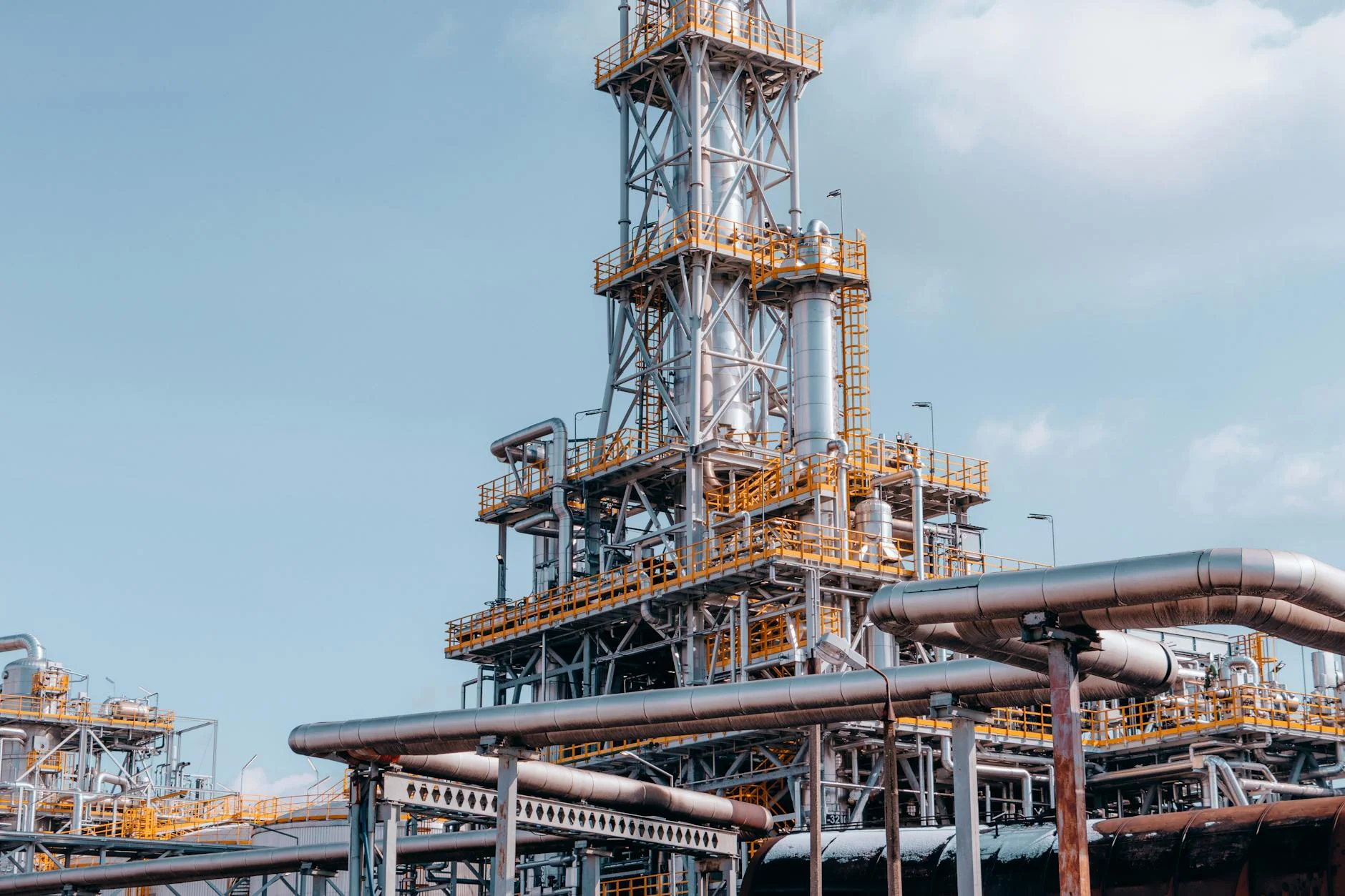
The United Arab Emirates formally leaves OPEC on May 1, 2026, ending 59 years of membership. Energy Minister Suhail Mohamed al-Mazrouei told CNBC the departure was necessary because supply shortfalls demanded more flexibility than Opec's collective decision-making allowed.[1] For China—the world's largest crude importer—the move creates a rare opening: direct access to additional UAE barrels without the cartel's production quotas constraining supply.
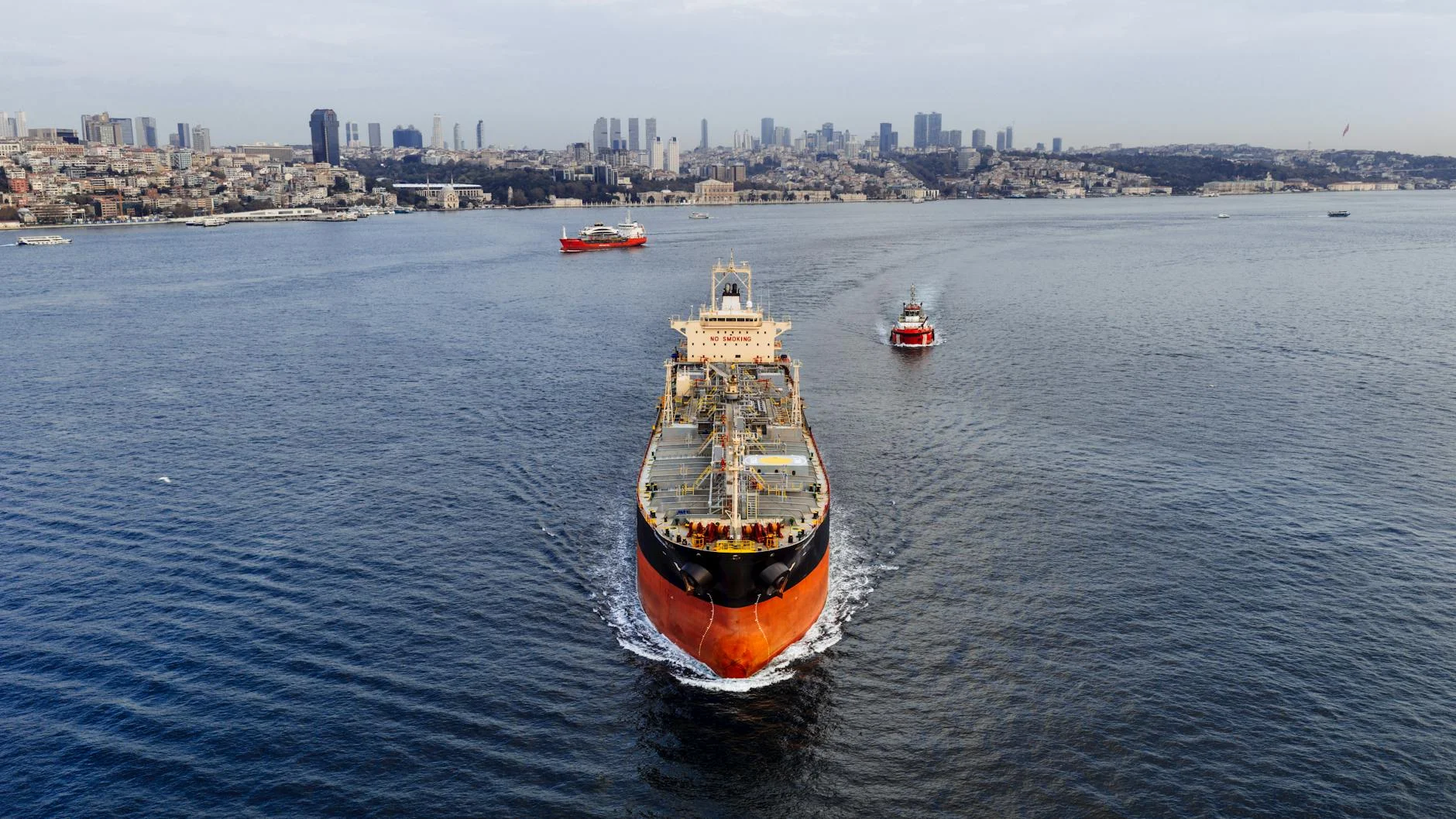
But there is a brutal catch. The Strait of Hormuz, which handles roughly 20 per cent of global oil and gas flows, remains effectively closed by the ongoing US-Israeli war against Iran.[2] Until that blockade lifts, the UAE's newfound production freedom translates into crude sitting in storage, not flowing into Chinese refineries. The real strategic prize for Beijing lies not in the next three months, but in what happens after a ceasefire.
---
Dispatch
DUBAI, 29 APRIL 2026 — The South China Morning Post reported the UAE's departure from OPEC as an immediate win for Chinese energy security:
China may gain from the United Arab Emirates (UAE) withdrawing from the Organisation of Petroleum Exporting Countries (Opec), benefiting from additional supply as global oil markets face growing strain three months into the US-Israeli war in Iran. The UAE – Opec's third-largest producer, accounting for about 12 per cent of its total output – will formally leave the bloc on May 1. UAE Energy Minister Suhail Mohamed al-Mazrouei told CNBC that it was the "right time" to exit, adding that supply shortfalls demanded more flexibility than Opec's collective decision-making allowed.[1]
South China Morning Post, 29 April 2026
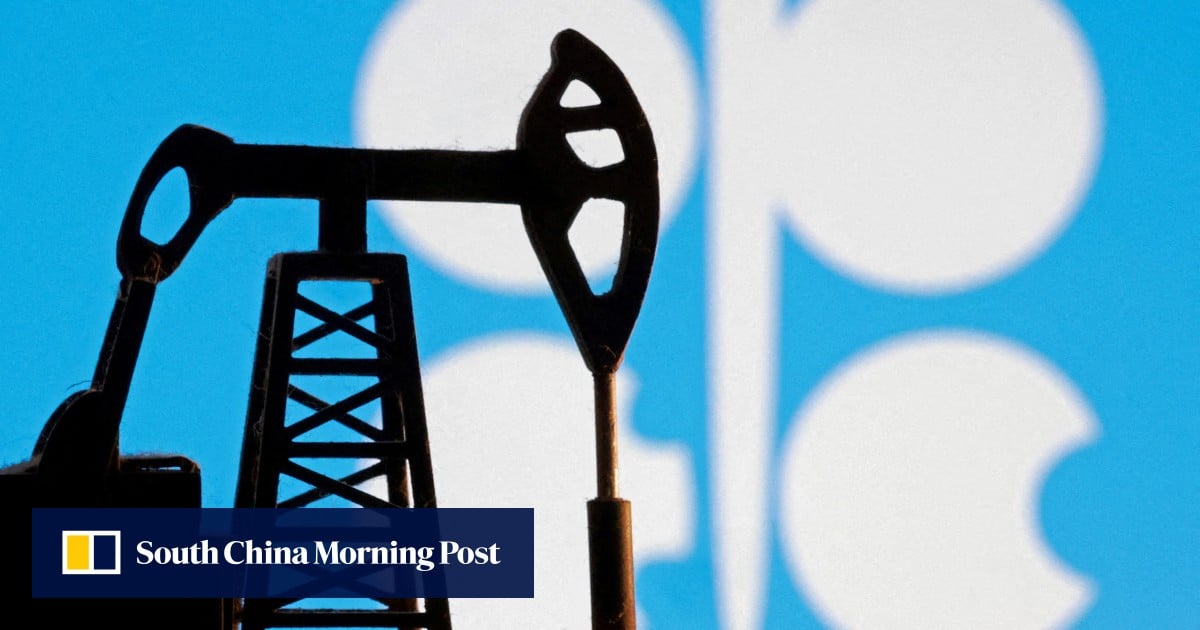
Muyu Xu, a senior crude oil analyst at Kpler, told the same outlet: For a buyer, any potential supply increase is positive as it means pressure on prices. I would expect China to increase purchases from the UAE.[1] In 2025, China imported 692,000 barrels per day from the UAE—just 6 per cent of its seaborne imports, but a figure likely to rise.[1]
---
A sharply different picture emerged from NPR's reporting from Dubai, which emphasised the geopolitical fracture beneath the energy headline:
The UAE has been an OPEC member for nearly 60 years. But it's been dissatisfied with OPEC's production quotas and its curbs on output for a while now. One clear example was back in the COVID-19 crisis, when the UAE said it believed that OPEC—which stands for the Organization of the Petroleum Exporting Countries—and its alliance with Russia, which is now known as OPEC+, needed to increase their production. And it called the quotas unfair. Now, those quotas are there to keep oil prices from swinging too high or too low, ensuring that supply meets demand. But what we saw today was the UAE saying, that's it. It's leaving the group as of May 1 this Friday.[3]
NPR (Aya Batrawy, correspondent), 29 April 2026
NPR's reporting added crucial context: the UAE's exit follows a major rift with Saudi Arabia (OPEC's de facto leader) over Yemen policy and regional security. Abu Dhabi and Riyadh had a fall out over the war in Yemen, which they had initially joined in together against the Houthis there. But Saudi Arabia four months ago publicly accused the UAE of threatening its national security by arming and supporting southern separatists in Yemen.[3] The UAE has also been dissatisfied with the regional response to Iran's attacks, having absorbed some 2,500 Iranian missile and drone strikes.[3]
---
What's Really Happening
---
The Real Stakes
For China, the calculus is two-phase.
In the near term (next 3–6 months), China gains marginal leverage but no immediate crude. The UAE can theoretically increase production, but the Strait of Hormuz blockade means new barrels have nowhere to go except storage. Oil prices remain elevated—Brent crude hit $118 per barrel on 29 April, up 69 per cent since the war began in late February.[5] Chinese refineries are cutting throughput, not expanding it.[6] Beijing's real win is optionality: once the blockade lifts, it can negotiate direct supply contracts with Abu Dhabi without OPEC's quota constraints forcing the UAE to ration sales.
After a ceasefire, the advantage sharpens. Aditya Saraswat at Rystad Energy stated: Once the strait reopens, a UAE pumping freely towards 4.8 million barrels per day represents a real shift of 1 to 2 per cent of global demand.[4] For context, China imported approximately 11 million barrels per day in 2025.[7] An additional 1.4–1.6 million barrels from the UAE—if Beijing can secure a meaningful portion—would reduce China's dependence on Persian Gulf suppliers constrained by OPEC discipline. Muyu Xu projected that China may be able to tap the former's oil quickly if they are in favour of buying in the spot market.[1]
The UAE's departure also signals that OPEC itself is fracturing under war pressure. Saudi Arabia's failure to prevent the exit undermines the cartel's credibility as a price-setting mechanism. For China, a weakened OPEC means reduced ability to sustain high crude prices through production cuts. That is a structural advantage for the world's largest oil importer.
Who loses: Saudi Arabia loses influence. OPEC loses cohesion. Oil-importing nations outside China's orbit—Europe, Japan, India—also benefit from long-term price relief, but China's diplomatic proximity to the UAE (demonstrated by recent defence and trade agreements) gives Beijing first-mover advantage on long-term supply contracts.
---
Geopolitical Dimension
The UAE's exit is not primarily an energy story; it is a signal that Arab regional unity is collapsing under the weight of the Iran war and internal Gulf rivalries.
NPR correspondent Aya Batrawy noted: This is the clearest example yet of the UAE striking out on its own. And it comes as it's had this major rift with its bigger neighbor, Saudi Arabia, which leads OPEC.[3] The UAE absorbed 2,500 Iranian attacks while Saudi Arabia pursued a more cautious diplomatic posture. Abu Dhabi's frustration with Arab coordination—and its perception that only the US and Israel provided meaningful military support—has fractured the notion of Pan-Arab energy solidarity that once justified OPEC's existence.[3]
For China, this fragmentation is strategically useful. Beijing can now negotiate bilaterally with individual Gulf producers rather than dealing with a unified cartel. The UAE, having broken ranks, is also more likely to view China as a reliable long-term buyer—especially given Beijing's neutral posture in the Iran war and its historical investment ties to Abu Dhabi.
---
Impact Radar
---
Watch For
1. Strait of Hormuz reopening timeline. Iran has refused to reopen the strait until the US lifts its naval blockade.[5] Monitor US-Iran ceasefire negotiations, particularly any statements from the Trump administration on blockade conditions. If negotiations resume in earnest, expect a 4–8 week lag before shipping resumes and UAE barrels reach global markets.
2. China-UAE crude supply contracts. Track announcements of new long-term supply agreements between China and the UAE, particularly any that specify production volumes above 692,000 barrels per day.[1] Such contracts would signal Beijing is securing its post-war energy position.
3. OPEC+ cohesion signals. Monitor statements from Saudi Arabia and Russia on OPEC+ production policy. If Russia follows the UAE and exits OPEC+ (unlikely but not impossible), the cartel's ability to defend prices collapses entirely. Watch for Saudi Arabia's next meeting announcement and any public criticism from Riyadh toward departing members.
---
Bottom Line
The UAE's OPEC exit is a genuine structural break in global oil markets, but its immediate impact on China is zero. The real prize—cheaper, more reliable crude from a non-cartel producer—arrives only after the Iran war ends and the Strait of Hormuz reopens. Until then, China faces the same $118-per-barrel reality as every other importer. What matters now is that Beijing has positioned itself to capture the supply windfall first, and that OPEC's authority to constrain it has been irreversibly damaged.
---
VAE verlässt OPEC: Chinas Ölgewinn bleibt blockiert, bis der Iran-Krieg endet
Peking kann Rohölimporte aus Abu Dhabi erhöhen, doch die Blockade der Straße von Hormus bedeutet, dass der echte Gewinn erst nach Kriegsende realisiert wird.
Die Vereinigten Arabischen Emirate verlassen die OPEC formal am 1. Mai 2026 und beenden damit 59 Jahre Mitgliedschaft. Energieminister Suhail Mohamed al-Mazrouei teilte CNBC mit, dass der Austritt notwendig war, da „Versorgungsengpässe mehr Flexibilität erforderten, als OPECs kollektive Entscheidungsfindung ermöglichte."[1] Für China – den weltgrößten Rohölimporteur – eröffnet dieser Schritt eine seltene Gelegenheit: direkter Zugang zu zusätzlichen VAE-Barrels ohne die Produktionsquoten des Kartells, die das Angebot begrenzen.
Doch es gibt einen entscheidenden Haken. Die Straße von Hormus, durch die etwa 20 Prozent der globalen Öl- und Gasströme fließen, bleibt durch den laufenden US-israelischen Krieg gegen den Iran effektiv blockiert.[2] Bis diese Blockade aufgehoben wird, bedeutet die neu gewonnene Produktionsfreiheit der VAE nur, dass Rohöl in Lagerstätten sitzt, nicht in chinesische Raffinerien fließt. Der echte strategische Preis für Peking liegt nicht in den nächsten drei Monaten, sondern in dem, was nach einem Waffenstillstand geschieht.
---
Bericht
DUBAI, 29. APRIL 2026 — Die South China Morning Post berichtete über den VAE-Austritt aus der OPEC als unmittelbaren Gewinn für Chinas Energiesicherheit:
„China könnte von dem Austritt der Vereinigten Arabischen Emirate (VAE) aus der Organisation der Erdöl exportierenden Länder (OPEC) profitieren und von zusätzlichen Lieferungen profitieren, da die globalen Ölmärkte drei Monate in den US-israelischen Krieg im Iran zunehmend unter Druck geraten. Die VAE – der drittgrößte OPEC-Produzent, der etwa 12 Prozent der Gesamtproduktion ausmacht – werden die Gruppe am 1. Mai formal verlassen. VAE-Energieminister Suhail Mohamed al-Mazrouei sagte CNBC, dass dies der „richtige Zeitpunkt" zum Austritt sei und fügte hinzu, dass Versorgungsengpässe mehr Flexibilität erforderten als OPECs kollektive Entscheidungsfindung ermöglichte."[1]
South China Morning Post, 29. April 2026
Muyu Xu, Senior-Rohölanalyst bei Kpler, sagte dem gleichen Outlet: „Für einen Käufer ist jede potenzielle Angebotserhöhung positiv, da sie Preisdruck bedeutet. Ich würde erwarten, dass China die Käufe aus den VAE erhöht."[1] 2025 importierte China 692.000 Barrel pro Tag aus den VAE – nur 6 Prozent seiner Seeeinfuhren, aber eine Zahl, die wahrscheinlich steigen wird.[1]
---
Ein deutlich anderes Bild ergab sich aus der Berichterstattung von NPR aus Dubai, die die geopolitische Bruchstelle unter der Energie-Schlagzeile betonte:
„Die VAE waren fast 60 Jahre lang OPEC-Mitglied. Aber sie sind schon lange mit OPECs Produktionsquoten und deren Beschränkungen des Ausstoßes unzufrieden. Ein klares Beispiel war die COVID-19-Krise, als die VAE sagten, sie glaubten, dass die OPEC – die Organisation der Erdöl exportierenden Länder – und ihre Allianz mit Russland, die jetzt als OPEC+ bekannt ist, ihre Produktion erhöhen mussten. Und sie nannten die Quoten unfair. Diese Quoten sind nun dafür da, um Ölpreise vor zu starken Schwankungen zu bewahren und sicherzustellen, dass das Angebot der Nachfrage entspricht. Aber was wir heute sahen, war, dass die VAE sagten: Schluss damit. Sie verlassen die Gruppe ab 1. Mai diesen Freitag."[3]
NPR (Korrespondentin Aya Batrawy), 29. April 2026
Die Berichterstattung von NPR fügte entscheidenden Kontext hinzu: Der Austritt der VAE folgt einem großen Riss mit Saudi-Arabien (OPECs faktischer Anführer) über die Jemen-Politik und regionale Sicherheit. „Abu Dhabi und Riad gerieten wegen des Krieges im Jemen aneinander, an dem sie zunächst gemeinsam gegen die Houthis gekämpft hatten. Doch Saudi-Arabien warf den VAE vor vier Monaten öffentlich vor, seine nationale Sicherheit zu gefährden, indem es südliche Separatisten im Jemen bewaffnete und unterstützte."[3] Die VAE waren auch mit der regionalen Reaktion auf Irans Angriffe unzufrieden, nachdem sie etwa 2.500 iranische Raketen- und Drohnenanschläge absorbiert hatten.[3]
---
Was wirklich geschieht
---
Die echten Einsätze
Für China ist die Rechnung zweiphasig.
Kurzfristig (nächste 3–6 Monate) gewinnt China marginale Hebelwirkung, aber kein unmittelbares Rohöl. Die VAE können theoretisch die Produktion erhöhen, aber die Straße von Hormus-Blockade bedeutet, dass neue Barrel nur in Lagerstätten gehen. Ölpreise bleiben erhöht – Brent-Rohöl erreichte am 29. April 118 Dollar pro Barrel, 69 Prozent höher seit Kriegsbeginn Ende Februar.[5] Chinesische Raffinerien reduzieren den Durchsatz, nicht erweitern ihn.[6] Pekings echter Gewinn ist Wahlfreiheit: Sobald die Blockade aufgehoben wird, kann es direkte Lieferverträge mit Abu Dhabi aushandeln, ohne dass OPECs Quoten die VAE zwingen, Verkäufe zu rationieren.
Nach einem Waffenstillstand verschärft sich der Vorteil. Aditya Saraswat bei Rystad Energy erklärte: „Sobald die Straße wieder öffnet, bedeutet eine VAE, die frei zu 4,8 Millionen Barrel pro Tag pumpt, eine echte Verschiebung von 1 bis 2 Prozent der globalen Nachfrage."[4] Zur Einordnung: China importierte 2025 etwa 11 Millionen Barrel pro Tag.[7] Ein zusätzliche 1,4–1,6 Millionen Barrel aus den VAE – wenn Peking einen bedeutenden Teil sichern kann – würde Chinas Abhängigkeit von Persischen Golf-Lieferanten reduzieren, die durch OPEC-Disziplin begrenzt sind. Muyu Xu prognostizierte, dass „China möglicherweise schnell auf das Öl tippen kann, wenn sie beim Spotmarkt kaufen mögen."[1]
Der Austritt der VAE signalisiert auch, dass die OPEC selbst unter Kriegsdruck zerfällt. Saudi-Arabiens Versagen, den Austritt zu verhindern, untergräbt die Glaubwürdigkeit des Kartells als Preisfeststellungsmechanismus. Für China bedeutet eine geschwächte OPEC reduzierte Fähigkeit, hohe Rohölpreise durch Produktionskürzungen zu halten. Das ist ein struktureller Vorteil für den weltgrößten Ölimporteur.
Wer verliert: Saudi-Arabien verliert Einfluss. Die OPEC verliert Kohäsion. Ölimportländer außerhalb von Chinas Einflussbereich – Europa, Japan, Indien – profitieren auch von langfristiger Preislinderung, aber Pekings diplomatische Nähe zu den VAE (demonstriert durch jüngste Verteidigungs- und Handelsabkommen) gibt Peking Vorteil beim ersten Zug bei langfristigen Lieferverträgen.
---
Geopolitische Dimension
Der VAE-Austritt ist nicht primär eine Energiegeschichte; er ist ein Signal, dass die arabische regionale Einheit unter dem Gewicht des Iran-Krieges und innerer Golf-Rivalitäten zusammenbricht.
NPR-Korrespondentin Aya Batrawy bemerkte: „Dies ist das deutlichste Beispiel bisher dafür, dass die VAE ihren eigenen Weg gehen. Und es kommt, während sie diesen großen Riss mit ihrem größeren Nachbarn Saudi-Arabien haben, das die OPEC führt."[3] Die VAE absorbierten 2.500 iranische Anschläge, während Saudi-Arabien eine vorsichtigere diplomatische Haltung verfolgte. Abu Dhabis Frustration über arabische Koordination – und seine Wahrnehmung, dass nur die USA und Israel aussagekräftige militärische Unterstützung boten – hat die Vorstellung von pan-arabischer Energiesolidarität zerstört, die einst OPECs Existenz rechtfertigte.[3]
Für China ist diese Fragmentierung strategisch nützlich. Peking kann nun bilateral mit einzelnen Golf-Produzenten verhandeln, statt mit einem einheitlichen Kartell zu behandeln. Die VAE, die die Reihen verlassen haben, werden China auch eher als zuverlässigen Langzeitkäufer betrachten – besonders angesichts von Pekings neutraler Haltung im Iran-Krieg und seiner historischen Investitionsbindungen zu Abu Dhabi.
---
Impact-Radar
---
Zu beobachten
1. Wiedereröffnung der Straße von Hormus Zeitplan. Der Iran hat sich geweigert, die Straße zu öffnen, bis die USA ihre Seeblockade aufheben.[5] Überwachen Sie US-Iran-Waffenstillstandsverhandlungen, besonders Aussagen der Trump-Administration zu Blockadebedingungen. Wenn Verhandlungen ernsthaft wieder aufgenommen werden, rechnen Sie mit einer Verzögerung von 4–8 Wochen, bevor der Schiffsverkehr wieder aufgenommen wird und VAE-Barrel globale Märkte erreichen.
2. China-VAE Rohöllieferverträge. Verfolgen Sie Ankündigungen neuer langfristiger Lieferabkommen zwischen China und den VAE, besonders alle, die Produktionsvolumen über 692.000 Barrel pro Tag angeben.[1] Solche Verträge würden signalisieren, dass Peking seine Energie-Position nach dem Krieg sichert.
3. OPEC+ Kohäsion-Signale. Überwachen Sie Aussagen von Saudi-Arabien und Russland zur OPEC+-Produktionspolitik. Wenn Russland den VAE folgt und die OPEC+ verlässt (unwahrscheinlich, aber nicht unmöglich), kollabiert die Kartells Fähigkeit, Preise zu verteidigen, völlig. Achten Sie auf Saudi-Arabiens nächste Tagungsankündigung und öffentliche Kritik aus Riad gegenüber austretenden Mitgliedern.
---
Fazit
Der VAE-Austritt aus der OPEC ist ein echter struktureller Bruch in globalen Ölmärkten, aber seine unmittelbare Auswirkung auf China ist null. Der echte Preis – billigeres, zuverlässigeres Rohöl von einem Nicht-Kartell-Produzenten – kommt erst, nachdem der Iran-Krieg endet und die Straße von Hormus wieder öffnet. Bis dahin steht China wie jeder andere Importeur vor der gleichen 118-Dollar-pro-Barrel-Realität. Was jetzt zählt, ist, dass Peking sich positioniert hat, um den Angebotsgewinn zuerst zu erfassen, und dass OPECs Autorität, ihn zu begrenzen, unwiederbringlich beschädigt wurde.
---
Quellenangaben
[1] South China Morning Post — „Why China may benefit from the UAE's Opec withdrawal amid Iran war oil crisis" (29. April 2026). URL: https://www.scmp.com/economy/global-economy/article/3351849/why-china-may-benefit-uaes-opec-withdrawal-amid-iran-war-oil-crisis?utm_source=rss_feed
[2] Al Jazeera — „Iran's currency falls to new low as US blockade, sanctions impact trade" (29. April 2026). URL: https://www.aljazeera.com/news/2026/4/29/irans-currency-falls-to-new-low-as-us-blockade-sanctions-impact-trade?traffic_source=rss
[3] NPR — „UAE OPEC" (29. April 2026). URL: https://www.npr.org/2026/04/29/nx-s1-5802739/uae-opec
[4] South China Morning Post — „Why UAE's exit from Opec is good news for Asia's energy security" (29. April 2026). URL: https://www.scmp.com/week-asia/economics/article/3351776/why-uaes-exit-opec-good-news-asias-energy-security?utm_source=rss_feed
[5] CNBC — „Brent oil tops $118 after Trump says he will blockade Iran until it agrees to a nuclear deal" (29. April 2026). URL: https://www.cnbc.com/2026/04/29/oil-prices-brent-wti-trump-iran.html
[6] South China Morning Post — „Why UAE's exit from Opec is good news for Asia's energy security" (29. April 2026). URL: https://www.scmp.com/week-asia/economics/article/3351776/why-uaes-exit-opec-good-news-asias-energy-security?utm_source=rss_feed
[7] South China Morning Post — „Why China may benefit from the UAE's Opec withdrawal amid Iran war oil crisis" (29. April 2026). URL: https://www.scmp.com/economy/global-economy/article/3351849/why-china-may-benefit-uaes-opec-withdrawal-amid-iran-war-oil-crisis?utm_source=rss_feed
La salida de Emiratos Árabes Unidos de la OPEP abre puertas al petróleo chino, pero la guerra con Irán bloquea las ganancias
Pekín puede aumentar las importaciones de crudo de Abu Dabi, pero el bloqueo del Estrecho de Ormuz significa que la verdadera ganancia no se materializará hasta que termine la guerra con Irán.
Los Emiratos Árabes Unidos se retiran formalmente de la OPEP el 1 de mayo de 2026, terminando 59 años de membresía. El ministro de Energía, Suhail Mohamed al-Mazrouei, declaró a CNBC que la salida era necesaria porque «los déficits de suministro exigían más flexibilidad de la que permitía el proceso colectivo de toma de decisiones de la OPEP».[1] Para China—el mayor importador mundial de crudo—el movimiento crea una oportunidad excepcional: acceso directo a barriles adicionales de Emiratos sin que las cuotas de producción del cártel limiten el suministro.
Pero hay un obstáculo brutal. El Estrecho de Ormuz, que maneja aproximadamente el 20 por ciento de los flujos globales de petróleo y gas, permanece efectivamente cerrado por la guerra en curso entre Estados Unidos e Israel contra Irán.[2] Hasta que ese bloqueo se levante, la libertad de producción recién adquirida por Emiratos se traduce en crudo almacenado, no en flujos hacia las refinerías chinas. El verdadero premio estratégico para Pekín no reside en los próximos tres meses, sino en lo que suceda después de un cese al fuego.
---
Despacho
DUBÁI, 29 DE ABRIL DE 2026 — El South China Morning Post reportó la salida de Emiratos de la OPEP como una victoria inmediata para la seguridad energética china:
«China puede beneficiarse de la retirada de los Emiratos Árabes Unidos (EAU) de la Organización de Países Exportadores de Petróleo (OPEP), aprovechando suministro adicional mientras los mercados petroleros globales enfrentan tensión creciente tres meses dentro de la guerra entre Estados Unidos e Israel en Irán. Los EAU—el tercer mayor productor de la OPEP, representando aproximadamente el 12 por ciento de su producción total—se retirarán formalmente del bloque el 1 de mayo. El ministro de Energía de los EAU, Suhail Mohamed al-Mazrouei, le dijo a CNBC que era el "momento adecuado" para salir, agregando que los déficits de suministro exigían más flexibilidad de la que permitía el proceso colectivo de toma de decisiones de la OPEP».[1]
South China Morning Post, 29 de abril de 2026
Muyu Xu, analista senior de crudo en Kpler, le dijo al mismo medio: «Para un comprador, cualquier aumento potencial de suministro es positivo porque significa presión sobre los precios. Esperaría que China aumentara sus compras a los EAU».[1] En 2025, China importó 692,000 barriles por día de los EAU—solo el 6 por ciento de sus importaciones marítimas, pero una cifra que probablemente aumentará.[1]
---
Una imagen marcadamente diferente emergió del reportaje de NPR desde Dubái, que enfatizó la fractura geopolítica bajo el titular energético:
«Los EAU han sido miembros de la OPEP durante casi 60 años. Pero han estado insatisfechos con las cuotas de producción de la OPEP y sus limitaciones de producción durante un tiempo. Un ejemplo claro fue durante la crisis de COVID-19, cuando los EAU dijeron que creían que la OPEP—que significa Organización de Países Exportadores de Petróleo—y su alianza con Rusia, que ahora se conoce como OPEP+, necesitaban aumentar su producción. Y calificó las cuotas como injustas. Ahora, esas cuotas existen para evitar que los precios del petróleo suban o bajen demasiado, asegurando que la oferta cumpla con la demanda. Pero lo que vimos hoy fue los EAU diciendo, se acabó. Se va del grupo a partir del 1 de mayo, este viernes».[3]
NPR (Aya Batrawy, corresponsal), 29 de abril de 2026
El reportaje de NPR añadió contexto crucial: la salida de los EAU sigue una grieta importante con Arabia Saudita (líder de facto de la OPEP) sobre política en Yemen y seguridad regional. «Abu Dabi y Riad tuvieron un enfrentamiento por la guerra en Yemen, en la cual inicialmente se unieron juntos contra los hutíes allí. Pero hace cuatro meses Arabia Saudita acusó públicamente a los EAU de amenazar su seguridad nacional armando y apoyando a separatistas del sur en Yemen».[3] Los EAU también han estado insatisfechos con la respuesta regional a los ataques de Irán, habiendo absorbido aproximadamente 2,500 ataques de misiles y drones iraníes.[3]
---
Qué está realmente sucediendo
---
Lo que realmente está en juego
Para China, el cálculo es bifásico.
A corto plazo (próximos 3–6 meses), China gana influencia marginal pero sin crudo inmediato. Los EAU teóricamente pueden aumentar la producción, pero el bloqueo del Estrecho de Ormuz significa que los nuevos barriles no tienen a dónde ir excepto al almacenamiento. Los precios del petróleo permanecen elevados—el crudo Brent alcanzó $118 por barril el 29 de abril, un aumento del 69 por ciento desde que la guerra comenzó a fines de febrero.[5] Las refinerías chinas están reduciendo el rendimiento, no expandiéndolo.[6] La verdadera ganancia de Pekín es opcionalidad: una vez que el bloqueo se levante, puede negociar contratos de suministro directo con Abu Dabi sin que las restricciones de cuota de la OPEP fuercen a los EAU a racionar ventas.
Después de un cese al fuego, la ventaja se agudiza. Aditya Saraswat en Rystad Energy declaró: «Una vez que el estrecho se reabre, los EAU bombeando libremente hacia 4.8 millones de barriles por día representa un cambio real del 1 al 2 por ciento de la demanda global».[4] Para contexto, China importó aproximadamente 11 millones de barriles por día en 2025.[7] Barriles adicionales de 1.4–1.6 millones de los EAU—si Pekín puede asegurar una porción significativa—reduciría la dependencia de China en proveedores del Golfo Pérsico limitados por disciplina de la OPEP. Muyu Xu proyectó que «China puede ser capaz de acceder al petróleo de los EAU rápidamente si están a favor de comprar en el mercado spot».[1]
La salida de los EAU también señala que la propia OPEP se está fracturando bajo presión de guerra. El fracaso de Arabia Saudita para prevenir la salida socava la credibilidad del cártel como mecanismo de fijación de precios. Para China, una OPEP debilitada significa capacidad reducida para sostener precios altos de crudo mediante recortes de producción. Esa es una ventaja estructural para el mayor importador de petróleo del mundo.
Quiénes pierden: Arabia Saudita pierde influencia. La OPEP pierde cohesión. Naciones importadoras de petróleo fuera de la órbita de China—Europa, Japón, India—también se benefician de alivio de precios a largo plazo, pero la proximidad diplomática de China a los EAU (demostrada por acuerdos recientes de defensa y comercio) le da a Pekín ventaja de primer movimiento en contratos de suministro a largo plazo.
---
Dimensión geopolítica
La salida de los EAU no es principalmente una historia energética; es una señal de que la unidad regional árabe se está colapsando bajo el peso de la guerra con Irán y rivalidades internas del Golfo.
La corresponsal de NPR, Aya Batrawy, señaló: «Este es el ejemplo más claro hasta ahora de los EAU actuando por su cuenta. Y ocurre mientras tienen esta grieta importante con su vecino más grande, Arabia Saudita, que lidera la OPEP».[3] Los EAU absorbieron 2,500 ataques iraníes mientras Arabia Saudita perseguía una postura diplomática más cautelosa. La frustración de Abu Dabi con la coordinación árabe—y su percepción de que solo Estados Unidos e Israel proporcionaban apoyo militar significativo—ha fracturado la noción de solidaridad energética panárabe que una vez justificó la existencia de la OPEP.[3]
Para China, esta fragmentación es estratégicamente útil. Pekín ahora puede negociar bilateralmente con productores individuales del Golfo en lugar de tratar con un cártel unificado. Los EAU, habiendo roto filas, también son más propensos a ver a China como un comprador confiable a largo plazo—especialmente dado el posicionamiento neutral de Pekín en la guerra con Irán y sus lazos históricos de inversión a Abu Dabi.
---
Radar de impacto
---
Qué monitorear
1. Cronograma de reapertura del Estrecho de Ormuz. Irán se ha negado a reabrirlo hasta que Estados Unidos levante su bloqueo naval.[5] Monitorea negociaciones de cese al fuego entre Estados Unidos e Irán, particularmente cualquier declaración de la administración Trump sobre condiciones de bloqueo. Si las negociaciones se reanudan seriamente, espera un retraso de 4–8 semanas antes de que se reanude el envío y los barriles de los EAU lleguen a mercados globales.
2. Contratos de suministro de crudo China-EAU. Rastrear anuncios de nuevos acuerdos de suministro a largo plazo entre China y los EAU, particularmente aquellos que especifiquen volúmenes de producción por encima de 692,000 barriles por día.[1] Tales contratos señalarían que Pekín está asegurando su posición energética post-guerra.
3. Señales de cohesión de OPEP+. Monitorea declaraciones de Arabia Saudita y Rusia sobre política de producción de OPEP+. Si Rusia sigue a los EAU y se retira de OPEP+ (improbable pero no imposible), la capacidad del cártel para defender precios colapsa completamente. Observa el próximo anuncio de reunión de Arabia Saudita y cualquier crítica pública de Riad hacia miembros que se retiran.
---
Conclusión
La salida de los EAU de la OPEP es una ruptura estructural genuina en mercados petroleros globales, pero su impacto inmediato en China es cero. El verdadero premio—crudo más barato y confiable de un productor no cartelizado—llega solo después de que termine la guerra con Irán y el Estrecho de Ormuz se reabre. Hasta entonces, China enfrenta la misma realidad de $118 por barril que todos los demás importadores. Lo que importa ahora es que Pekín se ha posicionado para capturar la ganancia de suministro primero, y que la autoridad de la OPEP para limitarla ha sido irreversiblemente dañada.
---
Referencias
[1] South China Morning Post — «Why China may benefit from the UAE's Opec withdrawal amid Iran war oil crisis» (29 de abril de 2026). URL: https://www.scmp.com/economy/global-economy/article/3351849/why-china-may-benefit-uaes-opec-withdrawal-amid-iran-war-oil-crisis?utm_source=rss_feed
[2] Al Jazeera — «Iran's currency falls to new low as US blockade, sanctions impact trade» (29 de abril de 2026). URL: https://www.aljazeera.com/news/2026/4/29/irans-currency-falls-to-new-low-as-us-blockade-sanctions-impact-trade?traffic_source=rss
[3] NPR — «UAE OPEC» (29 de abril de 2026). URL: https://www.npr.org/2026/04/29/nx-s1-5802739/uae-opec
[4] South China Morning Post — «Why UAE's exit from Opec is good news for Asia's energy security» (29 de abril de 2026). URL: https://www.scmp.com/week-asia/economics/article/3351776/why-uaes-exit-opec-good-news-asias-energy-security?utm_source=rss_feed
[5] CNBC — «Brent oil tops $118 after Trump says he will blockade Iran until it agrees to a nuclear deal» (29 de abril de 2026). URL: https://www.cnbc.com/2026/04/29/oil-prices-brent-wti-trump-iran.html
[6] South China Morning Post — «Why UAE's exit from Opec is good news for Asia's energy security» (29 de abril de 2026). URL: https://www.scmp.com/week-asia/economics/article/3351776/why-uaes-exit-opec-good-news-asias-energy-security?utm_source=rss_feed
[7] South China Morning Post — «Why China may benefit from the UAE's Opec withdrawal amid Iran war oil crisis» (29 de abril de 2026). URL: https://www.scmp.com/economy/global-economy/article/3351849/why-china-may-benefit-uaes-opec-withdrawal-amid-iran-war-oil-crisis?utm_source=rss_feed
La sortie de l'OPEP des Émirats arabes unis ouvre la porte au pétrole chinois, mais la guerre en Iran bloque les gains
Pékin peut augmenter ses importations de brut d'Abu Dhabi, mais le blocus du détroit d'Ormuz signifie que le véritable bénéfice ne se matérialisera qu'après la fin de la guerre en Iran.
Les Émirats arabes unis quittent officiellement l'OPEP le 1er mai 2026, mettant fin à 59 ans d'adhésion. Le ministre de l'Énergie Suhail Mohamed al-Mazrouei a déclaré à CNBC que ce départ était nécessaire car « les pénuries d'approvisionnement exigeaient plus de flexibilité que ne le permettait la prise de décision collective de l'OPEP ».[1] Pour la Chine — le plus grand importateur de brut au monde — ce mouvement crée une opportunité rare : un accès direct à des barils supplémentaires des Émirats arabes unis sans que les quotas de production du cartel ne contraignent l'offre.
Mais il y a un piège brutal. Le détroit d'Ormuz, qui gère environ 20 pour cent des flux mondiaux de pétrole et de gaz, reste effectivement fermé par la guerre en cours entre les États-Unis et Israël contre l'Iran.[2] Tant que ce blocus ne sera pas levé, la nouvelle liberté de production des Émirats arabes unis se traduira par du brut stocké, et non par un flux vers les raffineries chinoises. Le véritable prix stratégique pour Pékin réside non pas dans les trois prochains mois, mais dans ce qui se passera après un cessez-le-feu.
---
Dépêche
DUBAI, 29 AVRIL 2026 — Le South China Morning Post a rapporté le départ des Émirats arabes unis de l'OPEP comme une victoire immédiate pour la sécurité énergétique chinoise :
« La Chine pourrait bénéficier du retrait des Émirats arabes unis (EAU) de l'Organisation des pays exportateurs de pétrole (OPEP), en profitant d'une offre supplémentaire alors que les marchés pétroliers mondiaux font face à une tension croissante trois mois après la guerre entre les États-Unis et Israël en Iran. Les EAU — troisième producteur de l'OPEP, représentant environ 12 pour cent de sa production totale — quitteront officiellement le bloc le 1er mai. Le ministre de l'Énergie des EAU Suhail Mohamed al-Mazrouei a déclaré à CNBC que c'était le « bon moment » pour partir, ajoutant que les pénuries d'approvisionnement exigeaient plus de flexibilité que ne le permettait la prise de décision collective de l'OPEP ».[1]
South China Morning Post, 29 avril 2026
Muyu Xu, analyste principal du pétrole brut chez Kpler, a déclaré au même média : « Pour un acheteur, toute augmentation potentielle de l'offre est positive car cela signifie une pression sur les prix. Je m'attends à ce que la Chine augmente ses achats auprès des EAU ».[1] En 2025, la Chine a importé 692 000 barils par jour des EAU — seulement 6 pour cent de ses importations maritimes, mais un chiffre susceptible d'augmenter.[1]
---
Un tableau très différent a émergé du reportage de NPR depuis Dubai, qui a souligné la fracture géopolitique sous-jacente à ce titre énergétique :
« Les EAU sont membres de l'OPEP depuis près de 60 ans. Mais ils sont insatisfaits des quotas de production de l'OPEP et de ses restrictions de production depuis un certain temps. Un exemple clair était lors de la crise du COVID-19, quand les EAU ont dit qu'ils croyaient que l'OPEP — qui signifie Organisation des pays exportateurs de pétrole — et son alliance avec la Russie, désormais connue sous le nom d'OPEP+, devaient augmenter leur production. Et ils ont qualifié les quotas d'injustes. Maintenant, ces quotas sont là pour empêcher les prix du pétrole de fluctuer trop haut ou trop bas, en s'assurant que l'offre répond à la demande. Mais ce que nous avons vu aujourd'hui, c'est les EAU qui disent, c'est fini. Il quitte le groupe à partir du 1er mai ce vendredi ».[3]
NPR (Aya Batrawy, correspondante), 29 avril 2026
Le reportage de NPR a ajouté un contexte crucial : le départ des EAU suit une rupture majeure avec l'Arabie saoudite (leader de facto de l'OPEP) sur la politique au Yémen et la sécurité régionale. « Abu Dhabi et Riyad se sont brouillés sur la guerre au Yémen, à laquelle ils avaient initialement participé ensemble contre les Houthis. Mais l'Arabie saoudite il y a quatre mois a accusé publiquement les EAU de menacer sa sécurité nationale en armant et en soutenant les séparatistes du sud au Yémen ».[3] Les EAU ont également été insatisfaits de la réponse régionale aux attaques de l'Iran, ayant absorbé environ 2 500 frappes de missiles et de drones iraniens.[3]
---
Ce qui se passe vraiment
---
Les vrais enjeux
Pour la Chine, le calcul est en deux phases.
À court terme (les 3 à 6 prochains mois), la Chine gagne un effet de levier marginal mais pas de brut immédiat. Les EAU pourraient théoriquement augmenter la production, mais le blocus du détroit d'Ormuz signifie que les nouveaux barils n'ont nulle part où aller sauf le stockage. Les prix du pétrole restent élevés — le Brent a atteint 118 dollars par baril le 29 avril, en hausse de 69 pour cent depuis le début de la guerre fin février.[5] Les raffineries chinoises réduisent leur débit, elles ne l'augmentent pas.[6] Le véritable gain de Pékin est l'optionnalité : une fois le blocus levé, il peut négocier des contrats d'approvisionnement directs avec Abu Dhabi sans que les quotas de l'OPEP ne forcent les EAU à rationner les ventes.
Après un cessez-le-feu, l'avantage s'accentue. Aditya Saraswat chez Rystad Energy a déclaré : « Une fois le détroit rouvert, les EAU pompant librement vers 4,8 millions de barils par jour représentent un réel décalage de 1 à 2 pour cent de la demande mondiale ».[4] Pour le contexte, la Chine a importé environ 11 millions de barils par jour en 2025.[7] Des barils supplémentaires de 1,4 à 1,6 million des EAU — si Pékin peut en obtenir une part significative — réduiraient la dépendance de la Chine envers les fournisseurs du Golfe persique contraints par la discipline de l'OPEP. Muyu Xu a projeté que « la Chine pourrait être capable d'exploiter le pétrole rapidement s'ils sont en faveur d'acheter sur le marché au comptant ».[1]
Le départ des EAU signale également que l'OPEP elle-même se fragmente sous la pression de la guerre. L'échec de l'Arabie saoudite à empêcher le départ sape la crédibilité du cartel en tant que mécanisme de fixation des prix. Pour la Chine, une OPEP affaiblie signifie une capacité réduite à maintenir des prix élevés du pétrole par des réductions de production. C'est un avantage structurel pour le plus grand importateur de pétrole du monde.
Qui perd : L'Arabie saoudite perd de l'influence. L'OPEP perd sa cohésion. Les nations importatrices de pétrole en dehors de l'orbite de la Chine — l'Europe, le Japon, l'Inde — bénéficient également d'un allègement des prix à long terme, mais la proximité diplomatique de la Chine avec les EAU (démontrée par des accords récents en matière de défense et de commerce) donne à Pékin un avantage de premier entrant sur les contrats d'approvisionnement à long terme.
---
Dimension géopolitique
Le départ des EAU n'est pas principalement une histoire énergétique ; c'est un signal que l'unité régionale arabe s'effondre sous le poids de la guerre en Iran et des rivalités internes du Golfe.
La correspondante de NPR Aya Batrawy a noté : « C'est l'exemple le plus clair à ce jour des EAU agissant seuls. Et cela intervient alors qu'il y a eu cette rupture majeure avec son voisin plus puissant, l'Arabie saoudite, qui dirige l'OPEP ».[3] Les EAU ont absorbé 2 500 attaques iraniennes tandis que l'Arabie saoudite a adopté une posture diplomatique plus prudente. La frustration d'Abu Dhabi face à la coordination arabe — et sa perception que seuls les États-Unis et Israël ont fourni un soutien militaire significatif — a fracturé la notion de solidarité énergétique panafricaine qui justifiait autrefois l'existence de l'OPEP.[3]
Pour la Chine, cette fragmentation est stratégiquement utile. Pékin peut désormais négocier bilatéralement avec les producteurs individuels du Golfe plutôt que de traiter avec un cartel unifié. Les EAU, ayant rompu les rangs, sont également plus susceptibles de considérer la Chine comme un acheteur fiable à long terme — en particulier compte tenu de la posture neutre de Pékin dans la guerre en Iran et de ses liens d'investissement historiques à Abu Dhabi.
---
Radar d'impact
---
À surveiller
1. Calendrier de réouverture du détroit d'Ormuz. L'Iran a refusé de rouvrir le détroit jusqu'à ce que les États-Unis lèvent leur blocus naval.[5] Surveillez les négociations de cessez-le-feu entre les États-Unis et l'Iran, en particulier les déclarations de l'administration Trump sur les conditions du blocus. Si les négociations reprennent sérieusement, attendez-vous à un délai de 4 à 8 semaines avant la reprise du transport maritime et l'arrivée des barils des EAU sur les marchés mondiaux.
2. Contrats d'approvisionnement en brut Chine-EAU. Suivez les annonces de nouveaux accords d'approvisionnement à long terme entre la Chine et les EAU, en particulier ceux qui spécifient des volumes de production supérieurs à 692 000 barils par jour.[1] De tels contrats signifieraient que Pékin sécurise sa position énergétique d'après-guerre.
3. Signaux de cohésion de l'OPEP+. Surveillez les déclarations de l'Arabie saoudite et de la Russie sur la politique de production de l'OPEP+. Si la Russie suit les EAU et quitte l'OPEP+ (peu probable mais pas impossible), la capacité du cartel à défendre les prix s'effondre complètement. Attendez l'annonce de la prochaine réunion de l'Arabie saoudite et toute critique publique de Riyad envers les membres qui partent.
---
Conclusion
Le départ de l'OPEP des EAU est une véritable rupture structurelle sur les marchés pétroliers mondiaux, mais son impact immédiat sur la Chine est nul. Le véritable prix — du brut moins cher et plus fiable d'un producteur non-cartel — n'arrive qu'après la fin de la guerre en Iran et la réouverture du détroit d'Ormuz. Jusque-là, la Chine fait face à la même réalité de 118 dollars le baril que tous les autres importateurs. Ce qui compte maintenant, c'est que Pékin s'est positionné pour capturer en premier le bénéfice d'approvisionnement, et que l'autorité de l'OPEP à le contraindre a été irrémédiablement endommagée.
---
Références
[1] South China Morning Post — « Pourquoi la Chine pourrait bénéficier du retrait de l'OPEP des EAU au milieu de la crise pétrolière de la guerre en Iran » (29 avril 2026). URL : https://www.scmp.com/economy/global-economy/article/3351849/why-china-may-benefit-uaes-opec-withdrawal-amid-iran-war-oil-crisis?utm_source=rss_feed
[2] Al Jazeera — « La monnaie iranienne chute à un nouveau creux alors que le blocus américain et les sanctions impactent le commerce » (29 avril 2026). URL : https://www.aljazeera.com/news/2026/4/29/irans-currency-falls-to-new-low-as-us-blockade-sanctions-impact-trade?traffic_source=rss
[3] NPR — « EAU OPEP » (29 avril 2026). URL : https://www.npr.org/2026/04/29/nx-s1-5802739/uae-opec
[4] South China Morning Post — « Pourquoi le départ de l'OPEP des EAU est une bonne nouvelle pour la sécurité énergétique de l'Asie » (29 avril 2026). URL : https://www.scmp.com/week-asia/economics/article/3351776/why-uaes-exit-opec-good-news-asias-energy-security?utm_source=rss_feed
[5] CNBC — « Le Brent dépasse 118 dollars après que Trump dit qu'il bloquera l'Iran jusqu'à ce qu'il accepte un accord nucléaire » (29 avril 2026). URL : https://www.cnbc.com/2026/04/29/oil-prices-brent-wti-trump-iran.html
[6] South China Morning Post — « Pourquoi le départ de l'OPEP des EAU est une bonne nouvelle pour la sécurité énergétique de l'Asie » (29 avril 2026). URL : https://www.scmp.com/week-asia/economics/article/3351776/why-uaes-exit-opec-good-news-asias-energy-security?utm_source=rss_feed
[7] South China Morning Post — « Pourquoi la Chine pourrait bénéficier du retrait de l'OPEP des EAU au milieu de la crise pétrolière de la guerre en Iran » (29 avril 2026). URL : https://www.scmp.com/economy/global-economy/article/3351849/why-china-may-benefit-uaes-opec-withdrawal-amid-iran-war-oil-crisis?utm_source=rss_feed
UAEのOPEC脱退は中国に石油調達の道を開くも、イラン戦争が利益獲得を阻む
北京はアブダビからの原油輸入を増やすことができるが、ホルムズ海峡の封鎖によって、真の利益はイラン戦争が終わるまで実現しない。
アラブ首長国連邦(UAE)は2026年5月1日に正式にOPECを脱退し、59年の加盟期間に終止符を打つ。スハイル・モハメド・アル・マズルーイ・エネルギー相はCNBCに対し、脱退は供給不足がOPECの集団意思決定が認める以上の柔軟性を要求したため必要だったと述べた。[1]世界最大の原油輸入国である中国にとって、この動きは稀な機会を生み出す。カルテルの生産割当が供給を制限することなく、UAEの追加原油に直接アクセスできるようになるのだ。
しかし、厳しい現実がある。世界の石油・ガス流の約20%を扱うホルムズ海峡は、米国とイスラエルによるイラン戦争の継続により、事実上閉鎖されたままだ。[2]その封鎖が解除されるまで、UAEの新たに得た生産の自由は、原油が貯蔵施設に眠ることを意味し、中国の製油所に流入することを意味しない。北京にとって真の戦略的利益は、向こう3カ月にあるのではなく、停戦後に何が起こるかにある。
---
報道
ドバイ、2026年4月29日 — サウスチャイナ・モーニング・ポストは、UAEのOPEC脱退を中国のエネルギー安全保障にとっての即座の勝利として報道した:
中国は、アラブ首長国連邦(UAE)がOPEC(石油輸出国機構)から脱退することで利益を得る可能性があり、米国とイスラエルによるイラン戦争が3カ月に入った中で、世界の石油市場が成長する圧力に直面する中、追加供給から恩恵を受けるだろう。OPECの3番目に大きい生産国であり、総産出量の約12%を占めるUAEは5月1日に正式にブロックから脱退する。UAEのスハイル・モハメド・アル・マズルーイ・エネルギー相はCNBCに対し、脱退は『適切な時期』だと述べ、供給不足がOPECの集団意思決定が認める以上の柔軟性を要求していると付け加えた。[1]
サウスチャイナ・モーニング・ポスト、2026年4月29日
Kpler社のシニア原油アナリスト、ムユ・シュー氏は同じ媒体に対し、買い手にとって、供給の増加の可能性は前向きだ。価格への圧力が軽減されることを意味するからだ。中国がUAEからの購入を増やすことを予想すると述べた。[1]2025年、中国はUAEから日量69万2,000バレルを輸入していた。海上輸入全体の6%に過ぎないが、この数字は上昇する可能性が高い。[1]
---
ドバイからのNPRの報道は大きく異なる絵を提示し、エネルギー報道の下にある地政学的分裂を強調した:
UAEはほぼ60年間OPEC加盟国だった。しかし、OPECの生産割当と生産抑制に長い間不満を持っていた。明確な例は、COVID-19危機の時だ。その時、UAEはOPEC(石油輸出国機構)とロシアとの同盟(現在はOPEC+として知られている)が生産を増やす必要があると信じていると述べた。そして、割当は不公正だと主張した。さて、これらの割当は石油価格が高すぎたり低すぎたりするのを防ぎ、供給が需要を満たすようにするためにある。しかし、今日見たことは、UAEが、それで十分だと言うことだ。5月1日の金曜日から、グループを脱退する。[3]
NPR(特派員アヤ・バトラウィ)、2026年4月29日
NPRの報道は重要な文脈を追加した。UAE脱退はサウジアラビア(OPECの事実上の指導者)との主要な亀裂に続くもので、イエメン政策と地域安全保障をめぐるものだ。アブダビとリヤドはイエメン戦争をめぐって対立した。彼らは当初、フーシ派に対抗するために一緒に参加していた。しかし、サウジアラビアは4カ月前、UAEがイエメンの南部分離主義者に武器を供給し支援することで国家安全保障を脅かしていると公に非難した。[3]UAEはまた、イランの攻撃に対する地域的対応に不満を持っており、約2,500のイランのミサイルとドローン攻撃を受けている。[3]
---
実際に起きていること
---
真の利害関係
中国にとって、計算は2段階である。
短期的には(今後3~6カ月)、中国は限定的な交渉力を得るが、即座の原油は得られない。UAEは理論的には生産を増やすことができるが、ホルムズ海峡の封鎖は新しいバレルが貯蔵施設以外に行き場がないことを意味する。石油価格は上昇したままだ。ブレント原油は4月29日に1バレル118ドルに達し、戦争が2月下旬に始まって以来69%上昇している。[5]中国の製油所は操業を拡大するのではなく削減している。[6]北京の真の勝利は選択肢だ。封鎖が解除されると、OPECの割当がUAEに販売を配給することを強制することなく、アブダビと直接供給契約を交渉することができる。
停戦後、利点は鮮明になる。 Rystad Energyのアディティヤ・サラスワット氏は述べた:海峡が再開されると、日量480万バレルに向けて自由にポンプを出すUAEは、世界需要の1~2%の真の変化を表す。[4]文脈として、中国は2025年に約日量1,100万バレルを輸入した。[7]UAEからの追加140万~160万バレル(北京がかなりの部分を確保できれば)は、OPEC規律に制約されたペルシャ湾の供給業者への中国の依存を減らすだろう。ムユ・シュー氏は、中国は、もし現物市場での購入を支持していれば、元の石油を素早く利用できるかもしれないと予測した。[1]
UAE脱退はまた、OPECそのものが戦争圧力の下で分裂していることを示唆している。サウジアラビアが脱退を防ぐことに失敗したことは、カルテルが価格設定メカニズムとしての信頼性を損なわせる。中国にとって、弱体化したOPECは生産削減を通じて高い原油価格を維持する能力の低下を意味する。それは世界最大の石油輸入国にとって構造的な利点だ。
誰が失うか: サウジアラビアは影響力を失う。OPECは結束を失う。中国の軌道外の石油輸入国(ヨーロッパ、日本、インド)も長期的な価格緩和から利益を得るが、中国とUAEの外交的近さ(最近の防衛および貿易協定で実証されている)は、北京に長期供給契約についての先行者利益を与える。
---
地政学的側面
UAE脱退は主に石油のエネルギー物語ではなく、イラン戦争と湾岸内部の対立の重みの下でアラブ地域の統一が崩壊しているという信号だ。
NPR特派員アヤ・バトラウィ氏は述べた:これはUAEが独自の道を進むまでの最も明確な例だ。そしてそれは、OPECを率いるより大きな隣国サウジアラビアとの大きな亀裂があった時期に来ている。[3]UAEは2,500のイラン攻撃を受けたが、サウジアラビアはより慎重な外交姿勢を追求した。アブダビのアラブ調整への不満と、米国とイスラエルのみが意味のある軍事支援を提供したという認識は、かつてOPECの存在を正当化したパンアラブエネルギー連帯の概念を分裂させた。[3]
中国にとって、この分裂は戦略的に有用だ。北京は統一されたカルテルを扱うのではなく、個々の湾岸生産国と二国間で交渉することができるようになった。UAEは、隊列から脱出したため、特にイラン戦争に対する北京の中立的立場とアブダビへの歴史的投資関係を考えると、信頼できる長期買い手として中国を見る可能性が高い。
---
インパクト・レーダー
---
注視すべき点
1. ホルムズ海峡再開のタイムライン。 イランは米国が海軍封鎖を解除するまで海峡を再開することを拒否している。[5]米国とイラン間の停戦交渉、特にトランプ政権による封鎖条件に関する声明を監視する。交渉が本格的に再開されれば、海運が再開され、UAE原油が世界市場に到達するまで4~8週間の遅延を予想する。
2. 中国-UAE原油供給契約。 特に日量69万2,000バレルを超える生産量を指定するものについて、中国とUAEの間の新しい長期供給契約の発表を追跡する。[1]そのような契約は、北京が戦後のエネルギー位置を確保していることを示すだろう。
3. OPEC+結束のシグナル。 OPEC+生産政策に関するサウジアラビアとロシアの声明を監視する。ロシアがUAEに続いてOPEC+から脱退すれば(可能性は低いが不可能ではない)、カルテルが価格を守る能力は完全に崩壊する。サウジアラビアの次の会議発表と、脱退メンバーに対するリヤドからの公開批判を注視する。
---
ボトムライン
UAE脱退は世界石油市場における真の構造的断裂だが、中国への即座の影響はゼロだ。真の賞品(より安く、より信頼性の高い非カルテル生産国からの原油)はイラン戦争が終わり、ホルムズ海峡が再開された後にのみ到達する。その時まで、中国は他のあらゆる輸入国と同じ1バレル118ドルの現実に直面している。今、重要なことは、北京が供給の利益を最初に獲得するための立場を取ったこと、そしてOPECがそれを制約する権限が不可逆的に損なわれたことだ。
---
参考資料
[1]サウスチャイナ・モーニング・ポスト — Why China may benefit from the UAE's Opec withdrawal amid Iran war oil crisis(2026年4月29日)。URL:https://www.scmp.com/economy/global-economy/article/3351849/why-china-may-benefit-uaes-opec-withdrawal-amid-iran-war-oil-crisis?utm_source=rss_feed
[2]アルジャジーラ — Iran's currency falls to new low as US blockade, sanctions impact trade(2026年4月29日)。URL:https://www.aljazeera.com/news/2026/4/29/irans-currency-falls-to-new-low-as-us-blockade-sanctions-impact-trade?traffic_source=rss
[3]NPR — UAE OPEC(2026年4月29日)。URL:https://www.npr.org/2026/04/29/nx-s1-5802739/uae-opec
[4]サウスチャイナ・モーニング・ポスト — Why UAE's exit from Opec is good news for Asia's energy security(2026年4月29日)。URL:https://www.scmp.com/week-asia/economics/article/3351776/why-uaes-exit-opec-good-news-asias-energy-security?utm_source=rss_feed
[5]CNBC — Brent oil tops $118 after Trump says he will blockade Iran until it agrees to a nuclear deal(2026年4月29日)。URL:https://www.cnbc.com/2026/04/29/oil-prices-brent-wti-trump-iran.html
[6]サウスチャイナ・モーニング・ポスト — Why UAE's exit from Opec is good news for Asia's energy security(2026年4月29日)。URL:https://www.scmp.com/week-asia/economics/article/3351776/why-uaes-exit-opec-good-news-asias-energy-security?utm_source=rss_feed
[7]サウスチャイナ・モーニング・ポスト — Why China may benefit from the UAE's Opec withdrawal amid Iran war oil crisis(2026年4月29日)。URL:https://www.scmp.com/economy/global-economy/article/3351849/why-china-may-benefit-uaes-opec-withdrawal-amid-iran-war-oil-crisis?utm_source=rss_feed
Выход ОАЭ из ОПЕК открывает двери для китайской нефти, но война с Ираном блокирует выгоду
Пекин может увеличить импорт сырой нефти из Абу-Даби, но блокада Ормузского пролива означает, что реальный доход не материализуется до окончания войны с Ираном.
Объединённые Арабские Эмираты официально покидают ОПЕК 1 мая 2026 года, завершая 59-летнее членство. Министр энергетики Сухайл Мохаммед аль-Мазруи сообщил CNBC, что выход был необходим, поскольку «дефицит поставок требовал большей гибкости, чем позволяет коллективное принятие решений ОПЕК».[1] Для Китая — крупнейшего в мире импортёра сырой нефти — этот шаг создаёт редкую возможность: прямой доступ к дополнительным объёмам нефти из ОАЭ без ограничений производственных квот картеля.
Но есть жёсткое препятствие. Ормузский пролив, через который проходит примерно 20 процентов глобальных потоков нефти и газа, остаётся практически закрытым из-за продолжающейся войны США и Израиля против Ирана.[2] До снятия этой блокады новообретённая производственная свобода ОАЭ означает лишь нефть, хранящуюся на складах, а не поступающую в китайские нефтеперерабатывающие заводы. Реальный стратегический приз для Пекина лежит не в ближайшие три месяца, а в том, что произойдёт после прекращения огня.
---
Корреспондентский материал
ДУБАЙ, 29 АПРЕЛЯ 2026 — South China Morning Post охарактеризовала выход ОАЭ из ОПЕК как немедленную победу для энергетической безопасности Китая:
«Китай может получить выгоду от выхода Объединённых Арабских Эмиратов из Организации стран-экспортёров нефти, благодаря дополнительным поставкам на фоне растущего напряжения на глобальных нефтяных рынках спустя три месяца после войны США и Израиля в Иране. ОАЭ — третий по величине производитель в ОПЕК, на долю которого приходится около 12 процентов общего объёма производства — официально покидают блок 1 мая. Министр энергетики ОАЭ Сухайл Мохаммед аль-Мазруи сообщил CNBC, что это было «правильное время» для выхода, добавив, что дефицит поставок требовал большей гибкости, чем позволяет коллективное принятие решений ОПЕК».[1]
— South China Morning Post, 29 апреля 2026
Муюй Сюй, старший аналитик по сырой нефти в Kpler, сказал тому же изданию: «Для покупателя любой потенциальный рост поставок — это положительно, так как это означает давление на цены. Я ожидаю, что Китай увеличит закупки из ОАЭ».[1] В 2025 году Китай импортировал 692 тысячи баррелей в день из ОАЭ — всего 6 процентов его морского импорта, но эта цифра, вероятно, возрастёт.[1]
---
Совершенно иная картина предстала из репортажа NPR из Дубая, в котором подчёркивалась геополитическая расколотость, лежащая в основе энергетического заголовка:
«ОАЭ были членом ОПЕК почти 60 лет. Но они давно недовольны производственными квотами ОПЕК и ограничениями на объёмы производства. Ярким примером была кризис COVID-19, когда ОАЭ заявили, что считают, что ОПЕК — Организация стран-экспортёров нефти — и её союз с Россией, известный теперь как ОПЕК+, должны увеличить своё производство. И они назвали квоты несправедливыми. Эти квоты введены для того, чтобы цены на нефть не колебались слишком сильно ни в одну, ни в другую сторону, обеспечивая соответствие предложения спросу. Но то, что мы видели сегодня, — это заявление ОАЭ: хватит. Они покидают группу со 1 мая, в эту пятницу».[3]
— NPR (корреспондент Ая Батрави), 29 апреля 2026
Репортаж NPR добавил важный контекст: выход ОАЭ следует за серьёзным разрывом с Саудовской Аравией (де-факто лидером ОПЕК) по вопросу йеменской политики и региональной безопасности. «Абу-Даби и Эр-Рияд поссорились из-за войны в Йемене, в которую они изначально вместе вмешались против хусиитов. Но Саудовская Аравия четыре месяца назад публично обвинила ОАЭ в угрозе её национальной безопасности, вооружая и поддерживая южных сепаратистов в Йемене».[3] ОАЭ также были недовольны региональным ответом на атаки Ирана, поглотив около 2500 иранских ударов ракетами и беспилотниками.[3]
---
Что на самом деле происходит
---
Реальные ставки
Для Китая расчёт двухфазный.
В ближайший период (следующие 3–6 месяцев) Китай получает маргинальный рычаг, но не немедленное сырьё. ОАЭ теоретически могут увеличить производство, но блокада Ормузского пролива означает, что новые барели не имеют никуда идти, кроме хранилищ. Цены на нефть остаются повышенными — сорт Brent достиг 118 долларов за баррель 29 апреля, что на 69 процентов выше, чем с начала войны в конце февраля.[5] Китайские нефтеперерабатывающие заводы сокращают пропускную способность, а не расширяют её.[6] Реальная победа Пекина — это опциональность: как только блокада будет снята, оно сможет вести переговоры о прямых контрактах поставок с Абу-Даби без ограничений квот ОПЕК, вынуждающих ОАЭ нормировать продажи.
После прекращения огня преимущество обостряется. Адитья Сарасват из Rystad Energy заявил: «Как только пролив переоткроется, ОАЭ, свободно качающие нефть к 4,8 миллионам баррелей в день, представляют реальный сдвиг на 1–2 процента глобального спроса».[4] Для контекста Китай импортировал примерно 11 миллионов баррелей в день в 2025 году.[7] Дополнительные 1,4–1,6 миллиона баррелей из ОАЭ — если Пекин сможет обеспечить значительную часть — снизили бы зависимость Китая от поставщиков Персидского залива, ограниченных дисциплиной ОПЕК. Муюй Сюй спрогнозировал, что «Китай может быть способен быстро получить доступ к нефти, если они будут склонны продавать на спотовом рынке».[1]
Выход ОАЭ также сигнализирует, что сама ОПЕК раскалывается под давлением войны. Неудача Саудовской Аравии предотвратить выход подрывает кредитоспособность картеля как механизма установления цен. Для Китая ослабленная ОПЕК означает снижение способности поддерживать высокие цены на сырую нефть через сокращение производства. Это структурное преимущество для крупнейшего в мире импортёра нефти.
Кто проигрывает: Саудовская Аравия теряет влияние. ОПЕК теряет сплочённость. Страны-импортёры нефти вне китайской орбиты — Европа, Япония, Индия — также выигрывают от долгосрочного облегчения цен, но дипломатическая близость Китая к ОАЭ (продемонстрированная недавними соглашениями об обороне и торговле) даёт Пекину преимущество первого хода при долгосрочных контрактах поставок.
---
Геополитическое измерение
Выход ОАЭ из ОПЕК — это не столько энергетическая история, сколько сигнал того, что арабское региональное единство разваливается под тяжестью войны с Ираном и внутренних соперничеств в Персидском заливе.
Корреспондент NPR Ая Батрави заметила: «Это самый ясный пример того, как ОАЭ действуют самостоятельно. И это происходит на фоне серьёзного разрыва с его большим соседом, Саудовской Аравией, которая возглавляет ОПЕК».[3] ОАЭ поглотили 2500 иранских атак, в то время как Саудовская Аравия придерживалась более осторожной дипломатической позиции. Фрустрация Абу-Даби координацией арабских стран — и её восприятие того, что только США и Израиль обеспечили значимую военную поддержку — расколола понятие панарабской энергетической солидарности, которая когда-то оправдывала существование ОПЕК.[3]
Для Китая эта фрагментация стратегически полезна. Пекин теперь может вести двусторонние переговоры с отдельными производителями Персидского залива вместо того, чтобы иметь дело с единым картелем. ОАЭ, выступив против картеля, также более вероятно будут рассматривать Китай как надёжного долгосрочного покупателя — особенно учитывая нейтральную позицию Пекина в войне с Ираном и его исторические инвестиционные связи с Абу-Даби.
---
Радар воздействия
---
Следите за
1. Сроки переоткрытия Ормузского пролива. Иран отказался переоткрывать пролив до снятия США своей военно-морской блокады.[5] Следите за переговорами по прекращению огня между США и Ираном, особенно за заявлениями администрации Трампа об условиях блокады. Если переговоры возобновятся всерьёз, ожидайте отставание в 4–8 недель перед возобновлением судоходства и поступлением баррелей ОАЭ на глобальные рынки.
2. Контракты на поставку сырой нефти между Китаем и ОАЭ. Отслеживайте объявления о новых долгосрочных соглашениях о поставках между Китаем и ОАЭ, особенно те, которые определяют объёмы производства выше 692 тысяч баррелей в день.[1] Такие контракты будут сигнализировать, что Пекин обеспечивает свою позицию в области энергетики после войны.
3. Сигналы сплочённости ОПЕК+. Следите за заявлениями Саудовской Аравии и России по политике производства ОПЕК+. Если Россия последует примеру ОАЭ и выйдет из ОПЕК+ (маловероятно, но возможно), способность картеля защищать цены полностью коллапсирует. Следите за объявлением следующего совещания Саудовской Аравии и любой публичной критикой из Эр-Рияда в адрес выходящих членов.
---
Итоговый вывод
Выход ОАЭ из ОПЕК — это подлинный структурный разлом на глобальных нефтяных рынках, но его немедленное воздействие на Китай нулевое. Реальный приз — более дешевая, более надёжная сырая нефть от производителя вне картеля — поступает только после окончания войны с Ираном и переоткрытия Ормузского пролива. До тех пор Китай сталкивается с той же реальностью 118 долларов за баррель, как и любой другой импортёр. Что имеет значение сейчас — это то, что Пекин позиционировал себя, чтобы захватить выгоду от предложения первым, и что авторитет ОПЕК по ограничению её был необратимо повреждён.
---
Ссылки
[1] South China Morning Post — «Why China may benefit from the UAE's Opec withdrawal amid Iran war oil crisis» (29 апреля 2026). URL: https://www.scmp.com/economy/global-economy/article/3351849/why-china-may-benefit-uaes-opec-withdrawal-amid-iran-war-oil-crisis?utm_source=rss_feed
[2] Al Jazeera — «Iran's currency falls to new low as US blockade, sanctions impact trade» (29 апреля 2026). URL: https://www.aljazeera.com/news/2026/4/29/irans-currency-falls-to-new-low-as-us-blockade-sanctions-impact-trade?traffic_source=rss
[3] NPR — «UAE OPEC» (29 апреля 2026). URL: https://www.npr.org/2026/04/29/nx-s1-5802739/uae-opec
[4] South China Morning Post — «Why UAE's exit from Opec is good news for Asia's energy security» (29 апреля 2026). URL: https://www.scmp.com/week-asia/economics/article/3351776/why-uaes-exit-opec-good-news-asias-energy-security?utm_source=rss_feed
[5] CNBC — «Brent oil tops $118 after Trump says he will blockade Iran until it agrees to a nuclear deal» (29 апреля 2026). URL: https://www.cnbc.com/2026/04/29/oil-prices-brent-wti-trump-iran.html
[6] South China Morning Post — «Why UAE's exit from Opec is good news for Asia's energy security» (29 апреля 2026). URL: https://www.scmp.com/week-asia/economics/article/3351776/why-uaes-exit-opec-good-news-asias-energy-security?utm_source=rss_feed
[7] South China Morning Post — «Why China may benefit from the UAE's Opec withdrawal amid Iran war oil crisis» (29 апреля 2026). URL: https://www.scmp.com/economy/global-economy/article/3351849/why-china-may-benefit-uaes-opec-withdrawal-amid-iran-war-oil-crisis?utm_source=rss_feed
阿联酋退出欧佩克为中国石油敞开大门,但伊朗战争阻挡收益
北京可以增加从阿布扎比的原油进口,但霍尔木兹海峡的封锁意味着真正的收益要等伊朗战争结束才能实现。
阿联酋将于2026年5月1日正式退出欧佩克,结束长达59年的成员身份。能源部长苏海尔·穆罕默德·马兹鲁艾对美国全国广播公司表示,此举是必要的,因为"供应短缺需要比欧佩克集体决策更大的灵活性"。[1]对于世界最大原油进口国中国而言,这一举措创造了罕见的机遇:可以直接获取更多阿联酋原油,不受卡特尔生产配额的约束。
但问题在于存在残酷的制约。霍尔木兹海峡处理全球约20%的石油和天然气流量,目前实际上被美国-以色列对伊朗的战争所封锁。[2]在该封锁解除之前,阿联酋新获得的生产自由只能转化为储存中的原油,而非流入中国炼油厂。北京真正的战略奖励不在未来三个月,而在停火后会发生什么。
---
现场报道
迪拜,2026年4月29日 — 南华早报将阿联酋退出欧佩克报道为中国能源安全的直接胜利:
"中国可能受益于阿联酋退出石油输出国组织(欧佩克),在美国-以色列对伊朗战争开始三个月、全球油市面临日益增长压力之际,从额外供应中受益。欧佩克第三大生产国阿联酋约占其总产量的12%,将于5月1日正式退出该组织。阿联酋能源部长苏海尔·穆罕默德·马兹鲁艾对美国全国广播公司表示,现在是退出的'恰当时机',并补充说供应短缺需要比欧佩克集体决策更大的灵活性。"[1]
南华早报,2026年4月29日
克勒能源公司高级原油分析师徐牧宇对同一媒体表示:"对于买家而言,任何潜在的供应增加都是积极的,因为这意味着价格压力。我预计中国会增加从阿联酋的采购。"[1]2025年,中国从阿联酋进口69.2万桶/天——仅占其海运进口的6%,但这一数字可能会上升。[1]
---
美国全国广播公司从迪拜的报道呈现出截然不同的画面,强调了能源新闻背后的地缘政治裂痕:
"阿联酋已是欧佩克成员近60年。但它长期以来对欧佩克的生产配额和产出限制感到不满。一个明确的例子是新冠疫情危机期间,阿联酋表示认为欧佩克及其与俄罗斯的联盟(现称欧佩克+)需要增加产量。它称这些配额不公平。现在,这些配额旨在防止油价波动过大或过小,确保供应与需求相匹配。但我们今天看到的是阿联酋说够了。它将从本周五5月1日起退出该组织。"[3]
美国全国广播公司(记者艾雅·巴特拉维),2026年4月29日
美国全国广播公司的报道补充了关键背景:阿联酋退出之举源于与沙特阿拉伯(欧佩克事实上的领导者)在也门政策和地区安全上的重大分歧。"阿布扎比和利雅得在也门战争上产生分歧,他们最初曾一起参与反对胡塞武装分子的战争。但沙特阿拉伯四个月前公开指控阿联酋通过武装和支持也门南方分离分子来威胁其国家安全。"[3]阿联酋还对地区对伊朗攻击的应对感到不满,已吸收约2500次伊朗导弹和无人机攻击。[3]
---
实际情况
---
真正的利益所在
对中国而言,计算分为两个阶段。
短期内(未来3-6个月),中国获得边际杠杆但没有即时原油。理论上阿联酋可以增加产量,但霍尔木兹海峡封锁意味着新增原油只能流向储存。油价保持高位——布伦特原油在4月29日达到每桶118美元,较战争开始于2月底以来上涨69%。[5]中国炼油厂在削减产能,而非扩大产能。[6]北京真正的胜利是选择权:一旦封锁解除,它可以与阿布扎比谈判直接供应合同,而无需欧佩克配额强制阿联酋配给销售。
停火后,优势加强。 瑞斯塔德能源公司的阿迪亚·萨拉斯瓦特表示:"一旦海峡重新开放,阿联酋自由泵送至480万桶/天代表全球需求的真正转变1到2%。"[4]作为参考,中国2025年日均进口约1100万桶。[7]如果北京能获得阿联酋额外140-160万桶中的有意义部分,将降低中国对受欧佩克纪律约束的波斯湾供应商的依赖。克勒能源的徐牧宇预计"如果他们倾向于现货市场交易,中国可能能够快速获取其石油。"[1]
阿联酋的退出也预示欧佩克本身正在战争压力下分裂。沙特阿拉伯未能阻止退出损害了卡特尔作为价格制定机制的信誉。对中国而言,欧佩克削弱意味着其通过减产维持高油价的能力下降。这对世界最大石油进口国而言是结构性优势。
谁失利: 沙特阿拉伯失去影响力。欧佩克失去凝聚力。中国势力范围外的石油进口国——欧洲、日本、印度——也将从长期价格缓解中受益,但中国与阿联酋的外交接近(通过最近的防务和贸易协议展示)给北京在长期供应合同上的先发优势。
---
地缘政治维度
阿联酋的退出主要不是一个能源故事;它是阿拉伯地区团结在伊朗战争和海湾内部竞争压力下崩溃的信号。
美国全国广播公司记者艾雅·巴特拉维指出:"这是阿联酋迄今为止最明确的独立行动例子。它发生在它与更大邻国沙特阿拉伯(欧佩克领导者)产生重大分歧之际。"[3]阿联酋吸收了2500次伊朗攻击,而沙特阿拉伯采取了更谨慎的外交态度。阿布扎比对阿拉伯协调的沮丧——及其认为仅有美国和以色列提供了有意义军事支持的看法——已经破裂了曾经为欧佩克存在辩护的泛阿拉伯能源团结概念。[3]
对中国而言,这种分裂在战略上是有利的。北京现在可以与个别海湾生产国进行双边谈判,而非与统一的卡特尔打交道。已经打破队伍的阿联酋也更可能将中国视为可靠的长期买家——特别是考虑到北京在伊朗战争中的中立立场及其与阿布扎比的历史投资联系。
---
影响雷达
---
监测重点
1. 霍尔木兹海峡重新开放时间表。 伊朗拒绝在美国解除海军封锁前重新开放海峡。[5]监测美伊停火谈判,特别是来自特朗普政府的任何关于封锁条件的声明。如果谈判认真恢复,预计在海运恢复和阿联酋原油进入全球市场前存在4-8周的滞后。
2. 中国-阿联酋原油供应合同。 追踪中国与阿联酋之间新的长期供应协议公告,特别是指定产量超过69.2万桶/天的任何协议。[1]此类合同将表明北京正在确保其战后能源地位。
3. 欧佩克+凝聚力信号。 监测沙特阿拉伯和俄罗斯关于欧佩克+生产政策的声明。如果俄罗斯效仿阿联酋退出欧佩克+(不太可能但并非不可能),卡特尔保护价格的能力将完全崩溃。关注沙特的下次会议公告和任何来自利雅得对退出成员的公开批评。
---
底线
阿联酋的欧佩克退出是全球油市的真正结构性突破,但其对中国的直接影响为零。真正的奖励——来自非卡特尔生产商的更便宜、更可靠原油——仅在伊朗战争结束和霍尔木兹海峡重新开放后到来。在此之前,中国面临与所有其他进口国相同的每桶118美元现实。现在重要的是北京已经定位自己首先获取供应红利,欧佩克约束它的权力已被不可逆转地破坏。
---
参考文献
[1] 南华早报 — "中国为何可能受益于阿联酋在伊朗战争油气危机中的欧佩克退出" (2026年4月29日)。网址:https://www.scmp.com/economy/global-economy/article/3351849/why-china-may-benefit-uaes-opec-withdrawal-amid-iran-war-oil-crisis?utm_source=rss_feed
[2] 半岛电视台 — "伊朗货币创新低,美国封锁和制裁冲击贸易" (2026年4月29日)。网址:https://www.aljazeera.com/news/2026/4/29/irans-currency-falls-to-new-low-as-us-blockade-sanctions-impact-trade?traffic_source=rss
[3] 美国全国广播公司 — "阿联酋欧佩克" (2026年4月29日)。网址:https://www.npr.org/2026/04/29/nx-s1-5802739/uae-opec
[4] 南华早报 — "阿联酋退出欧佩克为何对亚洲能源安全是好消息" (2026年4月29日)。网址:https://www.scmp.com/week-asia/economics/article/3351776/why-uaes-exit-opec-good-news-asias-energy-security?utm_source=rss_feed
[5] 美国消费者新闻与商业频道 — "特朗普称将封锁伊朗直至其同意核协议后布伦特油价突破118美元" (2026年4月29日)。网址:https://www.cnbc.com/2026/04/29/oil-prices-brent-wti-trump-iran.html
[6] 南华早报 — "阿联酋退出欧佩克为何对亚洲能源安全是好消息" (2026年4月29日)。网址:https://www.scmp.com/week-asia/economics/article/3351776/why-uaes-exit-opec-good-news-asias-energy-security?utm_source=rss_feed
[7] 南华早报 — "中国为何可能受益于阿联酋在伊朗战争油气危机中的欧佩克退出" (2026年4月29日)。网址:https://www.scmp.com/economy/global-economy/article/3351849/why-china-may-benefit-uaes-opec-withdrawal-amid-iran-war-oil-crisis?utm_source=rss_feed